
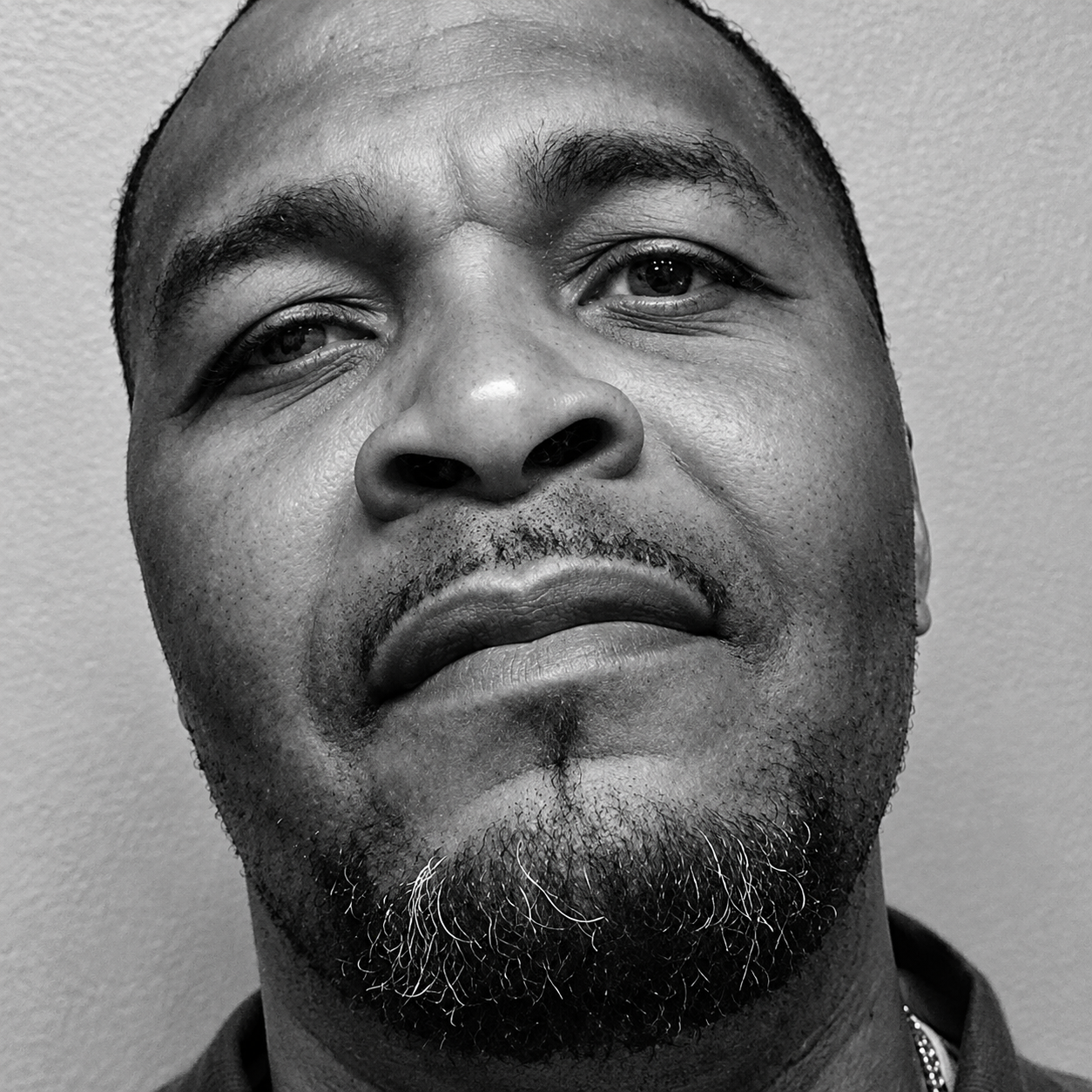
MONTGOMERY, Ala. — Alabama is scheduled to execute death row inmate Jeffery Lee by lethal injection this week in a case that brings renewed attention to the state’s former judicial-override system, its shifting execution practices and continuing litigation over how it may put prisoners to death.
Gov. Kay Ivey set a 30-hour execution window beginning at 12 a.m. Thursday and ending at 6 a.m. Friday for Lee, who was sentenced to death in the 1998 killings of Jimmy Ellis and Elaine Thompson at a Dallas County pawn shop. The execution would be carried out at William C. Holman Correctional Facility in Atmore unless a court issues a stay.
As of early Monday, the U.S. Supreme Court had not publicly issued an order on Lee’s emergency application for a stay. Lee’s application, filed Sept. 11, asks the court to block the lethal-injection execution while he pursues litigation over Alabama’s switch from nitrogen hypoxia, the method he selected, to lethal injection. The Supreme Court’s public docket lists the capital case as No. 26A337.
Lee’s execution would be Alabama’s second of 2026. The state executed Jeremy Tremaine Williams by lethal injection on Aug. 13 after he was convicted in the 2021 rape and killing of 5-year-old Kamarie Holland in Russell County. Williams pleaded guilty, waived sentencing by a jury and was sentenced to death by a judge.
Lee was 21 when he entered Jimmy’s Pawn Shop in Orrville on Dec. 12, 1998, armed with a sawed-off shotgun, according to Alabama Court of Criminal Appeals records. He shot Ellis, Thompson and Helen King. Ellis and Thompson died from their wounds, while King survived after lying motionless on the floor and pretending to be dead, the court said.
Lee attempted to take the store’s cash register but could not remove it because it was secured, the court record states. He later was arrested at a motel in Georgia after the shootings were captured by the shop’s surveillance video.
A Dallas County jury convicted Lee in 2000 of capital murder in the killings of Ellis and Thompson, as well as attempted murder in King’s shooting. At the sentencing phase, jurors voted 7-5 to recommend life in prison without parole. The trial judge overrode the jury’s recommendation and imposed a death sentence.
Alabama ended judicial override in 2017, prohibiting judges from imposing death sentences after juries recommend life without parole. The change was not retroactive, however, leaving people sentenced under the former system on death row. Lee is among the prisoners whose juries recommended life but whose trial judges imposed death.
The Death Penalty Information Center has reported that Alabama judges imposed death sentences over jury recommendations for life in 101 of the 112 known judicial-override cases. The Equal Justice Initiative says Alabama has executed 12 people whose juries had voted for life sentences.
Lee selected nitrogen hypoxia as his execution method in 2018 after Alabama lawmakers authorized the method. Nitrogen hypoxia uses a mask to replace breathable air with nitrogen, causing death by oxygen deprivation. Alabama authorizes lethal injection, nitrogen hypoxia and electrocution as execution methods.
Alabama had initially sought to execute Lee with nitrogen hypoxia in June. But U.S. District Judge Emily C. Marks barred the state from using its then-existing nitrogen protocol in Lee’s case after litigation over the risk of pain and suffering. The U.S. Supreme Court declined Alabama’s emergency effort to allow the June execution to proceed.
After the nitrogen-hypoxia execution was blocked, the Alabama Supreme Court granted the state’s request for a new execution warrant using lethal injection. Ivey then set the Sept. 17 execution window.
Lee’s attorneys contend Alabama should not be allowed to change methods after representing in federal court that he would be executed by nitrogen hypoxia if an execution occurred. They argue that Lee did not receive a full opportunity to litigate a lethal-injection challenge and that the state cannot disregard his earlier selection of nitrogen hypoxia.
The 11th U.S. Circuit Court of Appeals denied Lee’s request for a stay on Sept. 9 but did not resolve the underlying appeal, which remains pending. Lee then asked the U.S. Supreme Court to intervene.
Alabama remains one of the nation’s most active death-penalty states. The state has executed 84 people since executions resumed in 1983, according to the Equal Justice Initiative. The Death Penalty Information Center ranks Alabama seventh nationally in executions during the modern death-penalty era.
Alabama’s pace has varied by decade. The state carried out seven executions in the 1980s, 12 in the 1990s, 25 in the 2000s and 22 in the 2010s, according to state and execution records.
The 2000s were Alabama’s busiest decade for executions, averaging 2.5 annually. The state averaged 2.2 executions a year during the 2010s. Since 2020, Alabama has executed 18 people through Williams’ August execution, an average of about 2.7 executions a year over the nearly seven-year period.
That recent pace reflects the state’s return to executions after a temporary 2022 pause ordered by Ivey. The governor directed the Alabama Department of Corrections to review its procedures after unsuccessful lethal-injection attempts involving Alan Miller and Kenneth Eugene Smith, as well as concerns over the execution of Joe Nathan James Jr.
Alabama resumed executions in 2023 and became the first state to use nitrogen hypoxia in an execution when it put Smith to death in January 2024. Smith had survived an earlier lethal-injection attempt in 2022.
The legal dispute surrounding Lee means Alabama’s planned execution again could test the limits of the state’s evolving death-penalty system. If the execution proceeds, Lee would be the second person Alabama has put to death this year and the 85th executed by the state since 1983.