
MONTGOMERY, Ala. — The Alabama Department of Corrections has entered a new agreement with U.S. Immigration and Customs Enforcement that authorizes the state prison system to help identify and process incarcerated noncitizens for possible deportation, adding an immigration-enforcement role to an agency already facing federal litigation over violence, unsafe conditions and staffing failures.
The agreement, signed July 22, places ADOC in ICE’s 287(g) program under its Jail Enforcement Model, according to an ICE participation list reviewed by Alabama news outlets. The model authorizes designated officers to identify and process people described by ICE as “removable” who are in custody with pending or active criminal charges.
The agreement was publicly reported over the weekend. As of Monday, the actual memorandum had not been posted publicly, and Alabama Reflector reported that it had requested the document and comment from both ADOC and ICE. The absence of the agreement leaves unresolved key details, including how many ADOC employees will receive federal training, what information they will share with ICE, how people will be screened and what procedures will govern ICE holds or transfers.
ADOC is the only Alabama state agency listed in the 287(g) program, according to the ICE data cited by the Reflector. The department is among at least 64 Alabama agencies that have joined the program, which lets ICE delegate limited immigration-enforcement functions to trained state and local officers under federal oversight.
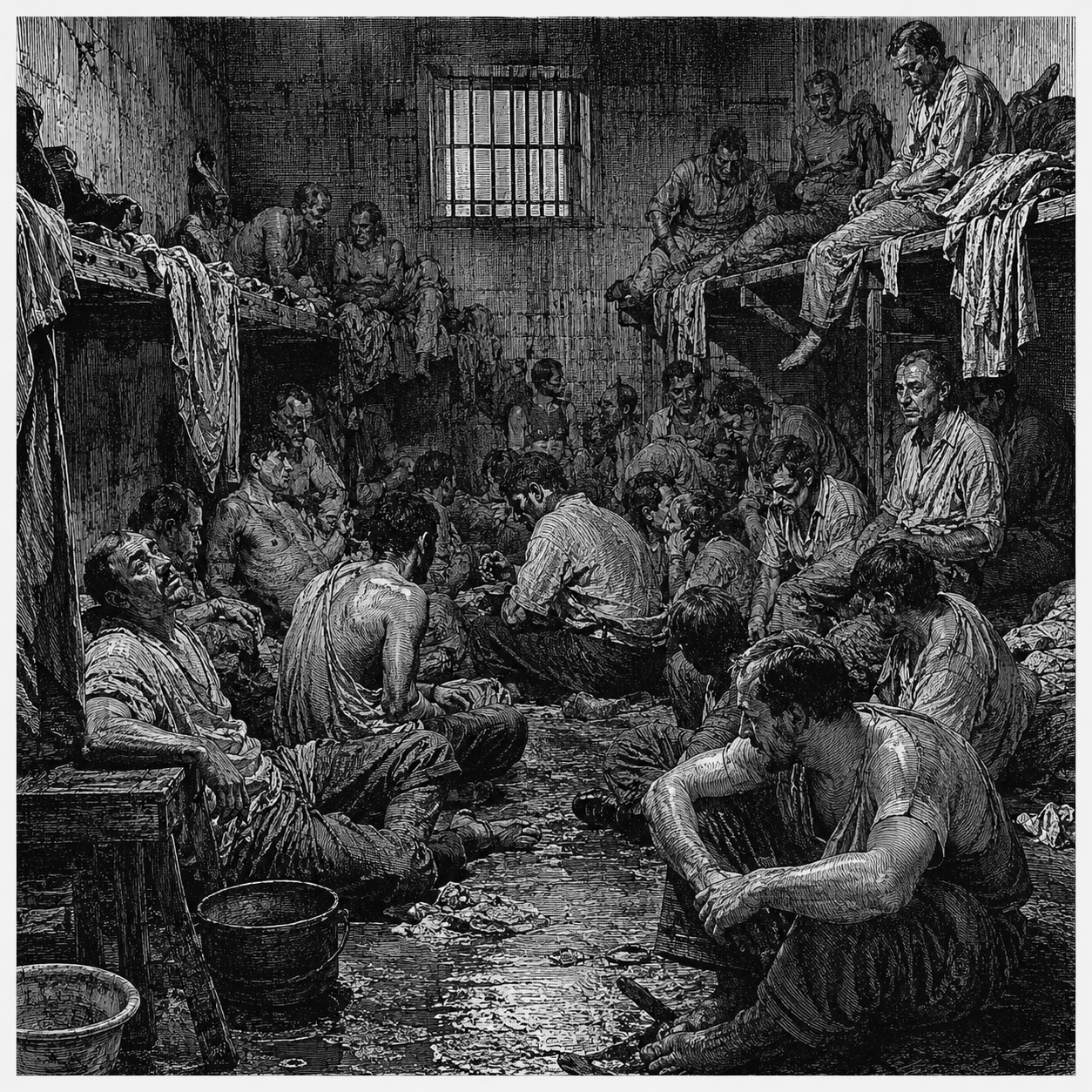
The state prison system’s enrollment comes as Alabama continues to confront a yearslong crisis inside its prisons for men. The U.S. Department of Justice found in 2019 that ADOC failed to protect incarcerated people from prisoner-on-prisoner violence and sexual abuse and failed to provide safe conditions. The department concluded in 2020 that ADOC also subjected people in its custody to excessive force by staff, then sued Alabama later that year over alleged Eighth Amendment violations.
Rather than publicly detailing how the new ICE partnership will affect staff capacity, prison safety or due-process protections for incarcerated people, ADOC had not released the agreement or announced the program on its website as of Monday. The agency’s latest public news releases focus on matters including prison food services, officer graduations and the end of federal oversight at Tutwiler Prison for Women.
ICE’s 287(g) program stems from a 1996 federal law that permits certain state and local officers, after training and under ICE supervision, to perform selected immigration functions. The Jail Enforcement Model applies inside correctional settings, unlike the Task Force Model, which can allow officers to exercise limited immigration authority during routine law-enforcement activity.
The Alabama Department of Corrections agreement is narrower than the Task Force Model used by several Alabama departments. But for people already imprisoned in Alabama, the partnership could still make immigration status a direct part of their incarceration and release process.
ICE lists three general 287(g) models: jail enforcement, task force and warrant service. The jail-enforcement model permits designated personnel to identify and process people in custody whom ICE considers potentially subject to removal.
Alabama’s foreign-born population is smaller than the national average — about 4.5% of state residents, compared with 14.8% nationwide. But immigrant-rights advocates argue that the size of a state’s immigrant population does not diminish the damage caused when state agencies join a federal mass-deportation system.
The Alabama Coalition for Immigrant Justice called on ADOC to end the agreement and for ICE’s program to be abolished.
“We condemn the continuous cooperation between these and other agencies who are assisting in this mass deportation agenda,” the coalition said in a statement reported by the Reflector. “Alabama has a history of using law enforcement and other criminal justice agencies to take beloved Alabamians from their homes and their communities.”
Critics of 287(g) agreements have long warned that bringing local and state law enforcement into immigration enforcement can foster racial profiling, erode trust and divert limited public-safety resources.
The American Civil Liberties Union reported in February that ICE had signed more than 1,000 additional 287(g) agreements since the beginning of President Donald Trump’s second term. The organization said at least 77.2 million people lived in counties with a participating law-enforcement agency and warned that the program can expose agencies to civil-rights liability and weaken trust in law enforcement.
Those concerns carry particular weight in Alabama, where the correctional system has yet to resolve the problems that prompted the federal government’s lawsuit. The Justice Department’s allegations include failures to protect people from violence and sexual abuse, unsafe and unsanitary living conditions, and excessive force by prison staff.
The state reported about 27,200 people under its prison jurisdiction at the end of 2023, the latest nationwide data compiled by USAFacts. While the data indicates Alabama’s state-run prison system was operating below reported maximum capacity that year, advocates have argued that the state’s prison crisis cannot be measured by bed capacity alone, pointing to persistent violence, inadequate staffing and limited access to health care and programming.
ADOC’s decision to dedicate personnel to immigration screening raises a basic question for the state: whether prison employees should be asked to carry out deportation functions while Alabama remains under scrutiny for its inability to keep incarcerated people safe.