
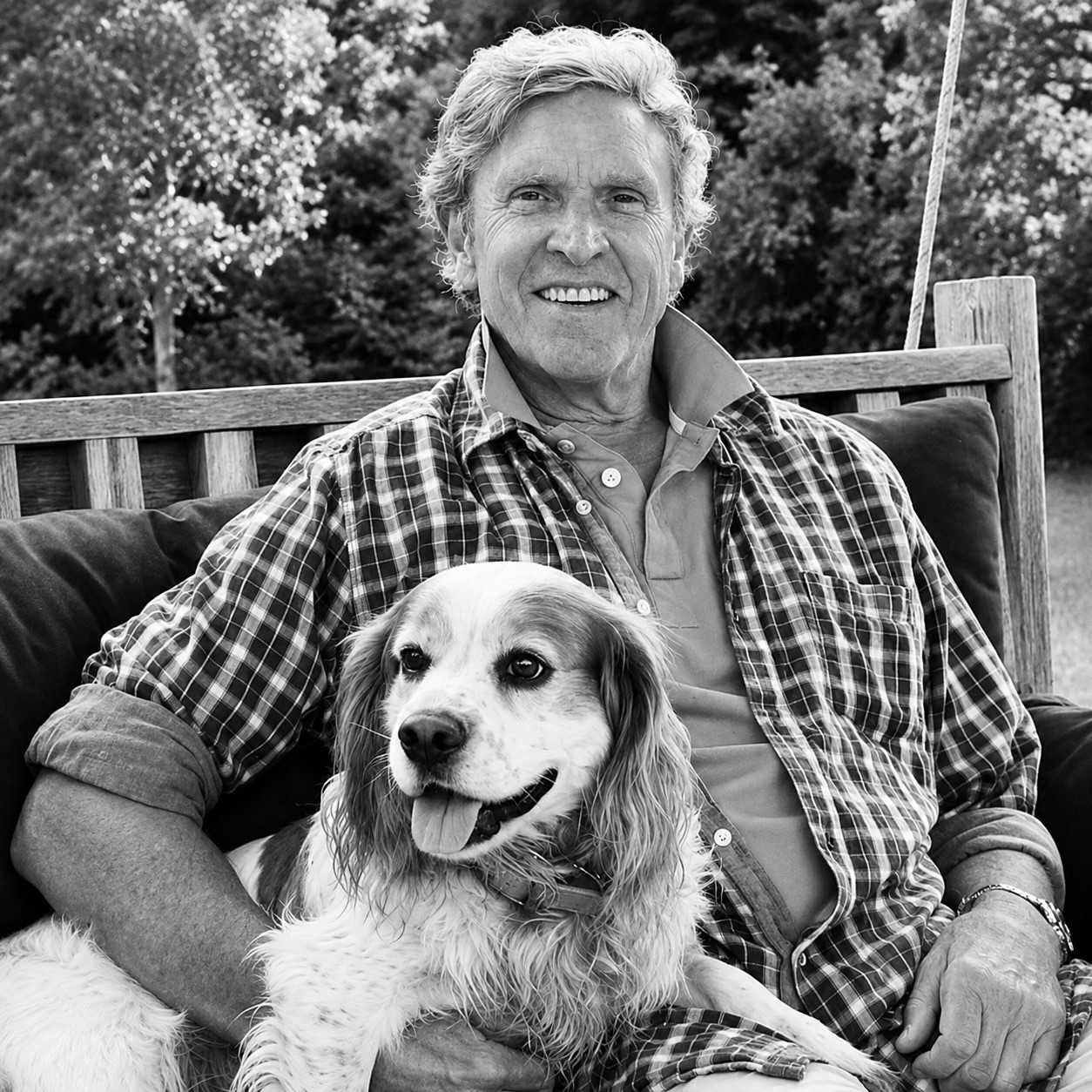
BIRMINGHAM, Ala. — Charles Gaines, the Alabama writer whose Birmingham-set novel Stay Hungry and bodybuilding chronicle Pumping Iron helped propel Arnold Schwarzenegger from the gym to the big screen, died July 21 at age 84. His death closes a long, varied career that tied together the worlds of literature, outdoor sport, bodybuilding and even the invention of paintball, while leaving Birmingham with a cult classic it has never fully embraced.
Born in Florida and raised in Birmingham, Gaines published 25 books across fiction and nonfiction, including the novels Stay Hungry, Dangler and Survival Games, the international bestseller Pumping Iron and the acclaimed memoir A Family Place. He studied at Birmingham-Southern College and the University of Iowa before teaching creative writing in New England, but he remained closely tied to Alabama’s literary community, eventually earning induction into the Alabama Writers Hall of Fame and the Truman Capote Prize for lifetime achievement in nonfiction.
Released by Doubleday in 1972, Stay Hungry was Gaines’ debut novel, set against the rough-edged bodybuilding culture of Birmingham and the city’s upper-crust business circles. The story follows a young real estate investor who becomes entangled with a local gym and its star bodybuilder, capturing a slice of Birmingham in the early 1970s with specificity that makes the city more than a backdrop. Though praised by critics and later recognized in Gaines’ Alabama honors, the book is out of print and now mostly available through libraries, used-book sellers and digital archives.
Gaines later co-wrote the screenplay for the 1976 film adaptation of Stay Hungry, directed by Bob Rafelson and starring Jeff Bridges, Sally Field and Schwarzenegger. Filmed on location in Birmingham, the movie preserves street scenes, social clubs and landmarks from the era, giving the city an unusually prominent role in a studio feature. For many viewers, the film—still accessible through home video and streaming—has become the primary way to encounter Stay Hungry, even as the novel itself remains a harder-to-find piece of the city’s cultural history.
If Stay Hungry anchored Gaines in Birmingham, Pumping Iron made him a central figure in bodybuilding’s “golden age.” Co-written with photographer George Butler and published in 1974, the book and its later documentary introduced competitive bodybuilding and Schwarzenegger to mainstream audiences. Gaines wrote and narrated the film, which documented training at Gold’s Gym and contests like Mr. Universe, and the project is widely credited with opening the door to Schwarzenegger’s acting career—including his early role in Stay Hungry.
Outside of bodybuilding, Gaines built a national profile as an outdoor and travel writer, focusing on fly fishing, bird hunting and conservation. His essay collections The Next Valley Over and Waters Far and Near are often cited as among the best American angling books, and he served on boards supporting Atlantic salmon fisheries and competitive fly fishing. He also played a key role in inventing paintball in the early 1980s, co-creating “The Survival Game” with friends and helping launch the first company to sell standardized equipment for the sport.
In recent years, Alabama institutions have highlighted Stay Hungry as a foundational Birmingham novel, pointing to its depiction of local class tensions, gym culture and business ambitions. Yet the book’s out-of-print status means it is largely missing from bookstore shelves and casual reading lists, even as the film continues to appear on roundups of movies shot in Birmingham and Alabama. For a city that now promotes itself as a film hub and celebrates its literary heritage, Gaines’ passing may prompt new calls to bring Stay Hungry back into print and to foreground it in local programming, from repertory screenings to book clubs.
Gaines is survived by his wife, artist Patricia Ellisor Gaines, whom he married in 1963, and their three children, Latham, Greta and Shelby Gaines. For Birmingham readers and filmgoers, his legacy runs through a novel and movie that turn the city itself into a character—a reminder that one of the key architects of modern bodybuilding culture and outdoor writing first made his mark by telling a very local story.