
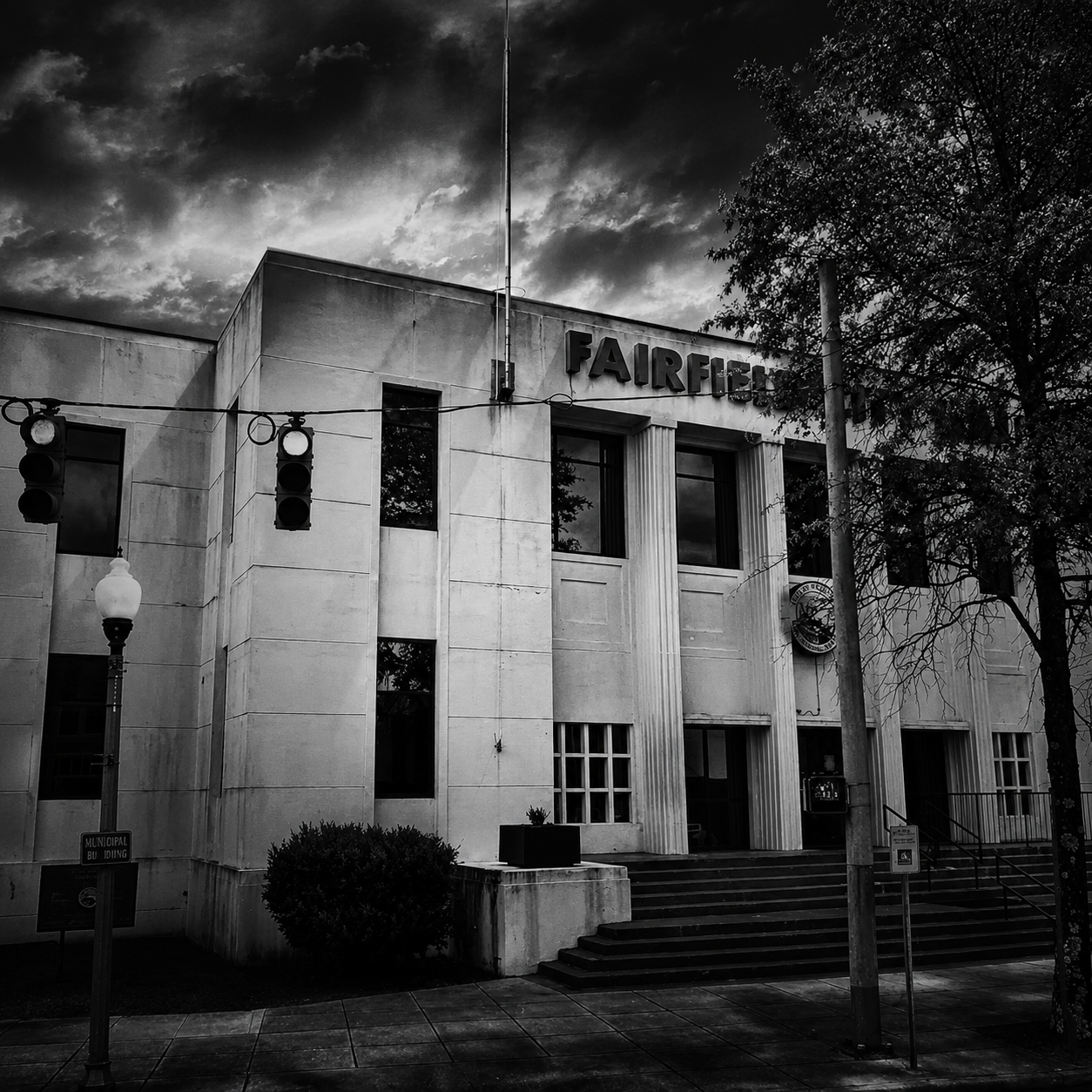
FAIRFIELD, Ala. — Fairfield city leaders are asking residents to focus on facts, not social media speculation, as the city considers a proposed colocation data center that officials say differs sharply from the massive hyperscale AI campuses drawing national scrutiny.
The project, still in early stages, would bring a colocation facility to the western Jefferson County city, but key details such as the developer, specific site, size of the building and construction timeline have not yet been disclosed publicly. City officials describe the plan as a potential economic development opportunity and have scheduled a town hall later this month so residents can hear an overview and ask questions before any decisions are made.
In a recent announcement and open letters, Fairfield leaders have emphasized that the proposal involves a colocation data center — a facility where multiple companies lease secure space for their computer servers while the operator provides shared power, cooling, connectivity and security — rather than a single-company hyperscale or AI mega‑campus. Colocation facilities are generally smaller than hyperscale centers, which are purpose‑built and operated by one large technology company to support vast cloud or AI workloads, often with very high power density and sprawling campuses.
Fairfield Mayor Herman Carnes Jr. and City Council members have used recent public communications to draw that distinction, arguing that the type of facility under discussion should be evaluated on its own design, location and regulatory safeguards rather than assumptions based on controversial projects elsewhere. City officials have also stressed that no final agreement or approval has been announced and that the proposal remains subject to public input and council review.
The city has scheduled an open town hall for Monday, July 28, at 6 p.m. at the Fairfield Civic Center, following a Facebook post inviting residents to learn more about the project and raise concerns directly with officials. According to local news reports and city statements, the meeting is intended to address common questions about data centers, including electricity use, water consumption, noise, environmental impacts, infrastructure demands and potential tax and job benefits.
The proposal has already sparked debate online and in the community, where Fairfield’s long history with heavy industry and environmental concerns has shaped perceptions of new projects. Some residents and advocates have raised questions about possible air, noise and water impacts, referencing past issues tied to U.S. Steel operations and existing industrial sites in and around the city. Others have argued that a well‑regulated colocation facility could help diversify Fairfield’s tax base, add skilled jobs and strengthen local digital infrastructure if environmental and neighborhood impacts are carefully managed.
Nationally, hyperscale and AI‑optimized data centers have faced intense scrutiny over their land use, water demand for advanced cooling systems and high‑voltage power needs, particularly when clustered into multi‑building campuses. By contrast, typical colocation centers serve a mix of tenants and often operate at lower overall scale, though they still raise standard siting questions about noise from cooling equipment, backup generators, traffic and grid capacity that communities must weigh project by project.
For now, Fairfield officials say the town hall and subsequent public engagement will shape how the city proceeds, with further details about the identity of the developer, potential incentives and specific site plans expected to emerge as discussions continue later this month.