
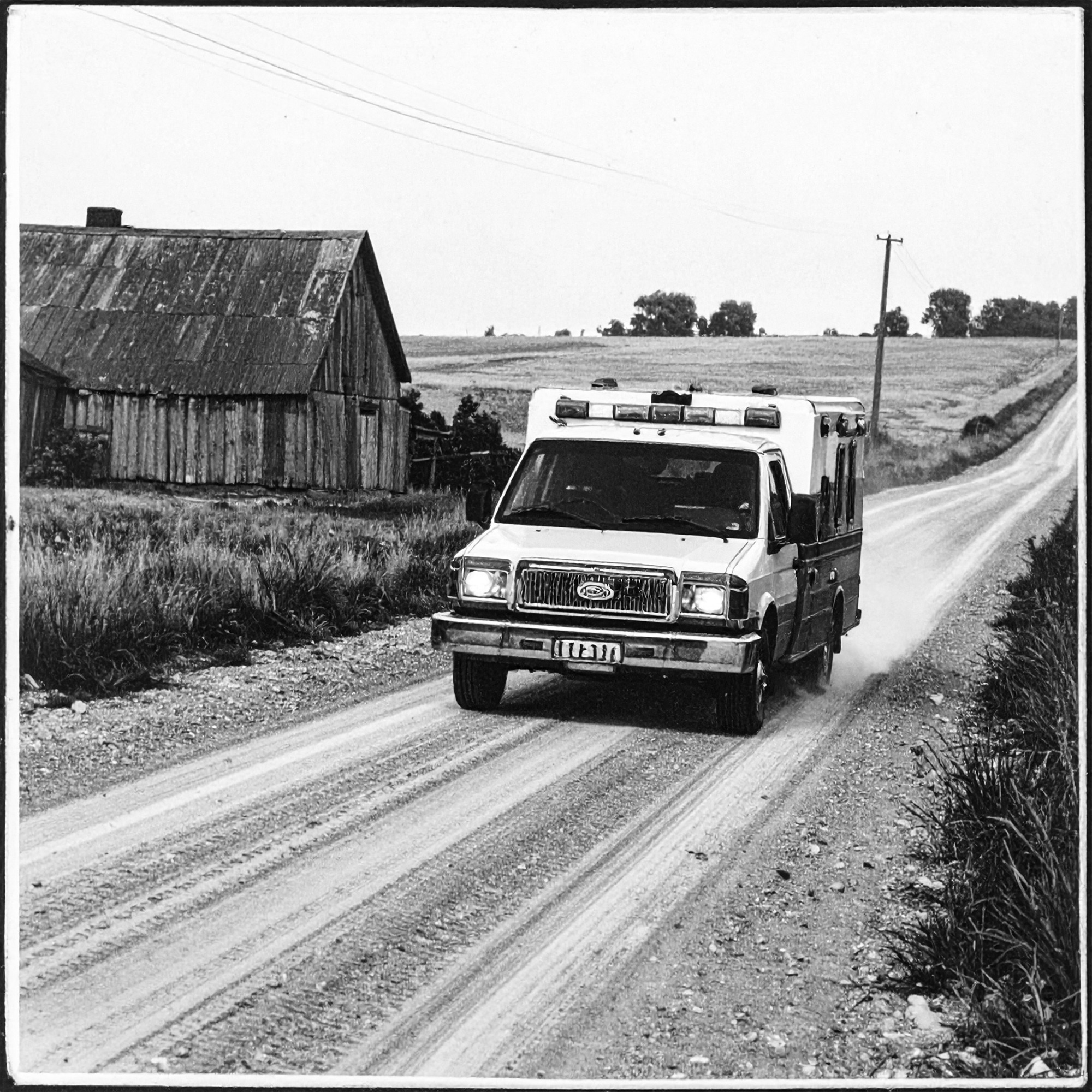
GREENE COUNTY, Ala. — Greene County has suspended its county-run ambulance service, the latest breakdown in a rural emergency care system that leaders warn is failing across Alabama’s Black Belt.
The suspension comes as neighboring Pickens County moves to stabilize its own service with voter-approved funding, underscoring how uneven local support is leaving some communities with no guaranteed 911 response while others scramble to keep two 24-hour ambulances running.
County officials said the suspension was necessary because the existing funding model could not cover core costs such as payroll, fuel, tires and equipment. The move echoes earlier scrambles in Greene County, where community donations totaling more than $56,000 temporarily kept the service operating during a 2022 funding shortfall.
Emergency responders and local leaders have tied the problem to chronically low insurance and Medicare reimbursement rates that leave rural ambulance services unable to break even even when they handle thousands of calls a year.
Alabama lawmakers have repeatedly tried to address what some call an “ambulance desert” crisis. House Bill 400, sponsored by Rep. Ed Oliver, R-Dadeville, would require insurers to reimburse ambulance providers at a set percentage of the federal Medicare rate, establish coverage for “treat in place” care and ban balance billing for ambulances. As of February 2026, the bill had been carried over for further consideration in the House Ways and Means General Fund Committee.
Separately, Gov. Kay Ivey in April 2026 signed legislation expanding “treat in place” reimbursement options and advancing rural health collaboration, part of a broader push to shore up emergency care in underserved areas.
While Greene County paused operations, Pickens County voters in May 2026 approved a $10 annual vehicle tag fee expected to raise about $200,000 a year to keep two 24-hour ambulances staffed. The measure passed with roughly 71% support after county leaders warned that the service had been reduced to a single ambulance in late 2024 and could not be sustained under the old funding model.
The split outcome illustrates a growing divide in rural Alabama: counties that can rally local tax or fee support may preserve coverage, while others without that political or fiscal capacity face service gaps or complete shutdowns.
Greene County officials have not announced a timeline for resuming full ambulance operations, and residents in parts of the county may increasingly rely on longer response times from neighboring jurisdictions or volunteer crews. Advocates say the suspension adds urgency to pending state reimbursement reforms and could push other cash-strapped counties to consider their own local funding measures or risk following Greene’s path.