
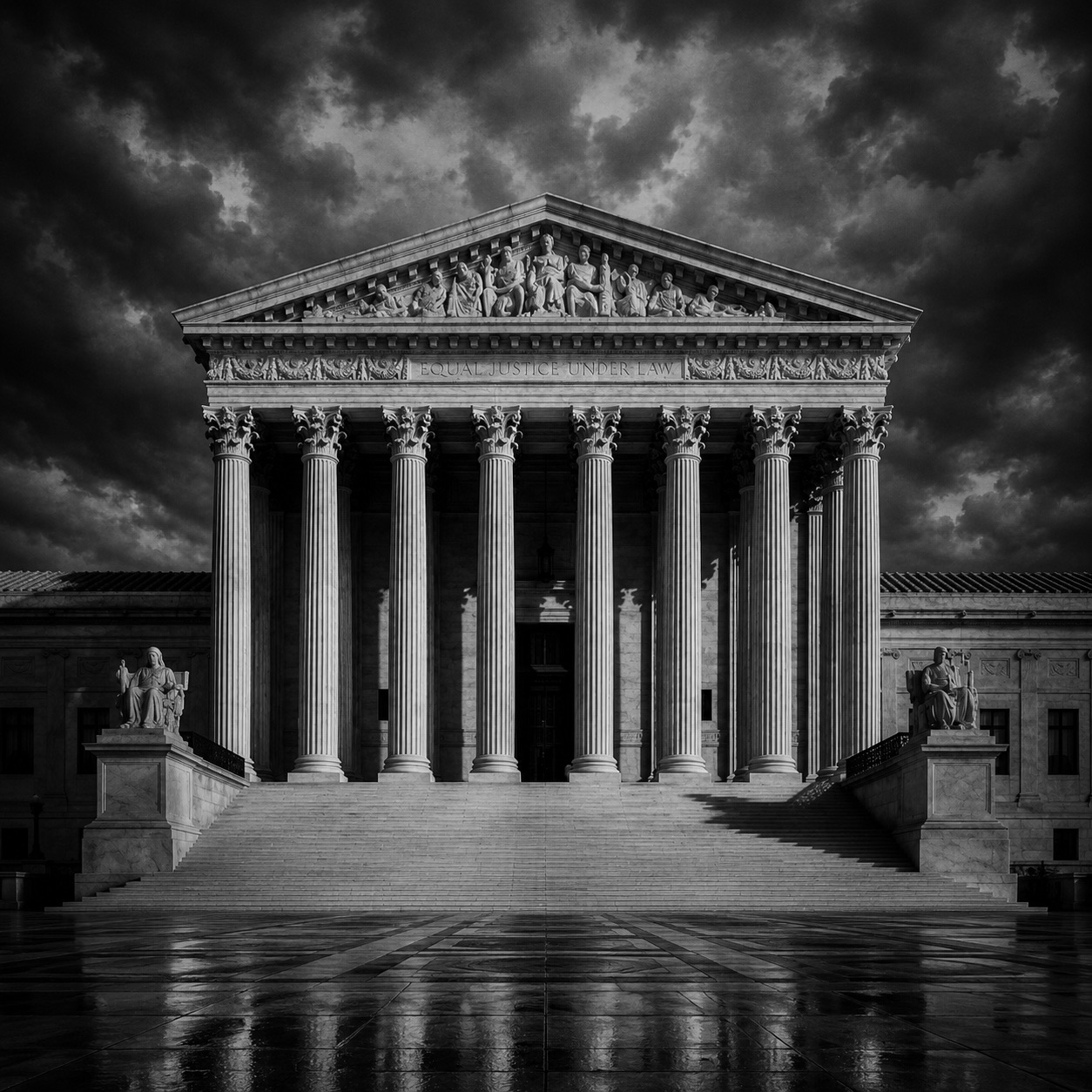
MONTGOMERY, Ala. — The U.S. Supreme Court on Wednesday blocked Alabama from carrying out the execution of Jeffery Lee by nitrogen gas, a move that again halted the state’s use of a method that judges have now split over on constitutional grounds. The ruling comes after a federal judge said this week that Alabama’s nitrogen protocol is cruel and unusual punishment, while the state argued it should be allowed to proceed.
Alabama has long been one of the nation’s most aggressive death-penalty states, with a history that stretches back to 1812 and includes hanging, electrocution and later lethal injection. The state first used nitrogen gas in January 2024, becoming the first in the nation to do so, and has since remained at the center of a national fight over whether the method is more humane than older execution methods or simply a different form of suffering.
The high court’s action does not eliminate Alabama’s death penalty, but it prevents the state from using nitrogen gas against Lee for now. In her Tuesday ruling, U.S. District Judge Emily C. Marks noted that Alabama still has two other authorized execution methods: lethal injection and electrocution. The justices did not say those methods are unconstitutional, only that the state could not use nitrogen gas in this case at this time.
Lee, 49, was convicted of capital murder in the 1998 killings of two people near Orrville. A jury voted 7-5 for life imprisonment before a judge overrode that recommendation and imposed death. Alabama ended judicial override in 2017, but the practice remains part of the state’s modern death-penalty history because it affected many inmates now on death row.
Lethal injection typically uses one or more drugs delivered through an IV, with the goal of causing unconsciousness, stopping breathing and then stopping the heart. Nitrogen hypoxia is different: it works by forcing the person to breathe pure nitrogen, which displaces oxygen and causes death from suffocation-like oxygen deprivation. In practice, critics say nitrogen is untested and can cause visible convulsions and gasping, while supporters have argued it is a quicker and less painful alternative to some other methods.
Electrocution uses a chair and electrical current to kill the condemned person, and it was originally promoted in the late 19th century as a more humane alternative to hanging. Today, however, electrocution is not the sole execution method in any state, and many states that still authorize it use lethal injection as the default method.
Alabama’s first known execution was carried out in 1812, and hanging remained the primary method until the state adopted electrocution in 1927. After the Supreme Court’s 1972 decision in Furman v. Georgia temporarily halted capital punishment nationwide, Alabama reinstated the death penalty in 1976 and resumed executions in 1983. Since then, Alabama has carried out dozens of executions and has remained among the states with the highest execution rates per capita.
The state’s death-penalty record has also drawn scrutiny for broader reasons, including judicial override, which Alabama used more than any other state before ending it in 2017. The state also authorizes nitrogen gas, a method it began pursuing in 2018 and first used in 2024 after struggling to obtain lethal-injection drugs.
The legal fight now shifts to whether Alabama can still seek to execute Lee by another approved method, most likely lethal injection or electrocution. Marks wrote that her order did not bar Alabama from using one of those other methods. The Supreme Court’s action leaves Alabama’s nitrogen protocol in serious doubt, at least for this case, even as the broader debate over capital punishment in the state continues.