
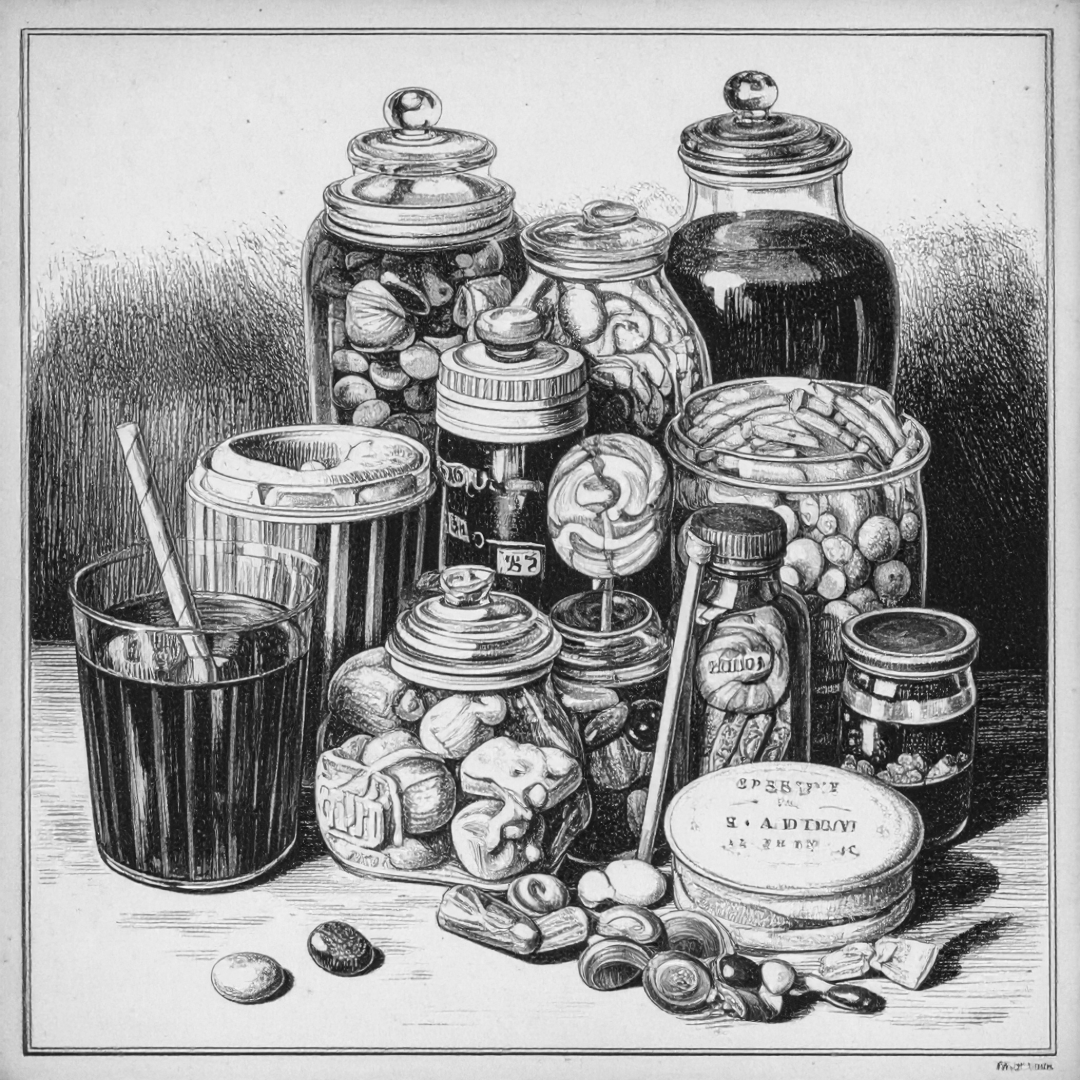
MONTGOMERY, Ala. — Alabama lawmakers have approved legislation that would bar SNAP recipients from buying candy and non-diet soda if state and federal officials sign off on a waiver request, reviving a familiar political argument over whether public benefits should be used to shape diet choices or simply help low-income families buy groceries. The bill, Senate Bill 57, is now headed toward the governor’s office after clearing both chambers with final changes that removed energy drinks from the restricted list.
Republicans who backed the measure cast it as a public health step in a state that ranks near the bottom nationally for obesity and related health problems. Supporters said the state should not be subsidizing products they view as contributing to chronic disease, and they pointed to claims in debate that a large share of SNAP purchases involve soft drinks, though that figure has been disputed by researchers and critics.
Opponents argued the bill amounts to paternalism aimed at poor people, with little evidence that restricting a few items will improve diets or health outcomes. They said the measure targets recipients rather than addressing broader problems such as low wages, food access, food deserts and the fact that many families on SNAP are already working but still cannot afford enough food.
The legislation does not immediately change what people can buy. Because SNAP is a federal program, Alabama must seek approval from the U.S. Department of Agriculture, and the state would have to keep renewing the request if it is denied; if the waiver is approved, the change would take effect Oct. 1, 2026.
Backers framed the bill as a health policy, not a punishment. They argued that public dollars should not be used for sugary drinks and candy, and they connected the measure to Alabama’s poor health rankings and the burden of diet-related disease. USDA waiver guidance shows the Trump administration is approving state requests that limit soda, candy and similar items, which gives Alabama a path to implement the change if federal officials agree.
That argument has political appeal because it sounds like a clean government message: use benefits for “healthy” food, not treats. But critics say that framing oversimplifies poverty and ignores how people actually shop, especially when a family is stretching a limited food budget and trying to keep kids fed.
The strongest criticism is that the bill treats poverty as a moral failure instead of an economic one. Opponents say a person on SNAP is still a consumer with ordinary preferences, and banning candy and soda does little to address the real causes of poor nutrition, including income inequality, limited grocery access and the high cost of healthier food.
There is also a practical argument: enforcement could be messy for stores, customers and the state. Alabama Arise has said removing soft drinks and candy from SNAP would be “really, really, really complicated and is going to be a pain for everybody,” reflecting a broader concern that retailers would have to reprogram systems and sort out borderline products.
Senate Bill 57 directs the Alabama Department of Human Resources to request a federal waiver excluding candy and non-diet soda from SNAP purchases. The final version passed after the Senate removed energy drinks from the restricted list and the House agreed, leaving soda and candy as the main targets. Reporting on the bill says lawmakers settled on Oct. 1, 2026, as the planned start date if the waiver is approved.
A 2016 USDA study cited in state reporting found SNAP households spent 9% of their grocery budgets on sweetened beverages, compared with 7% for non-SNAP households, a gap that is real but small and far short of the sweeping claims made in debate. That nuance undercuts the idea that SNAP is uniquely driving junk-food consumption.