
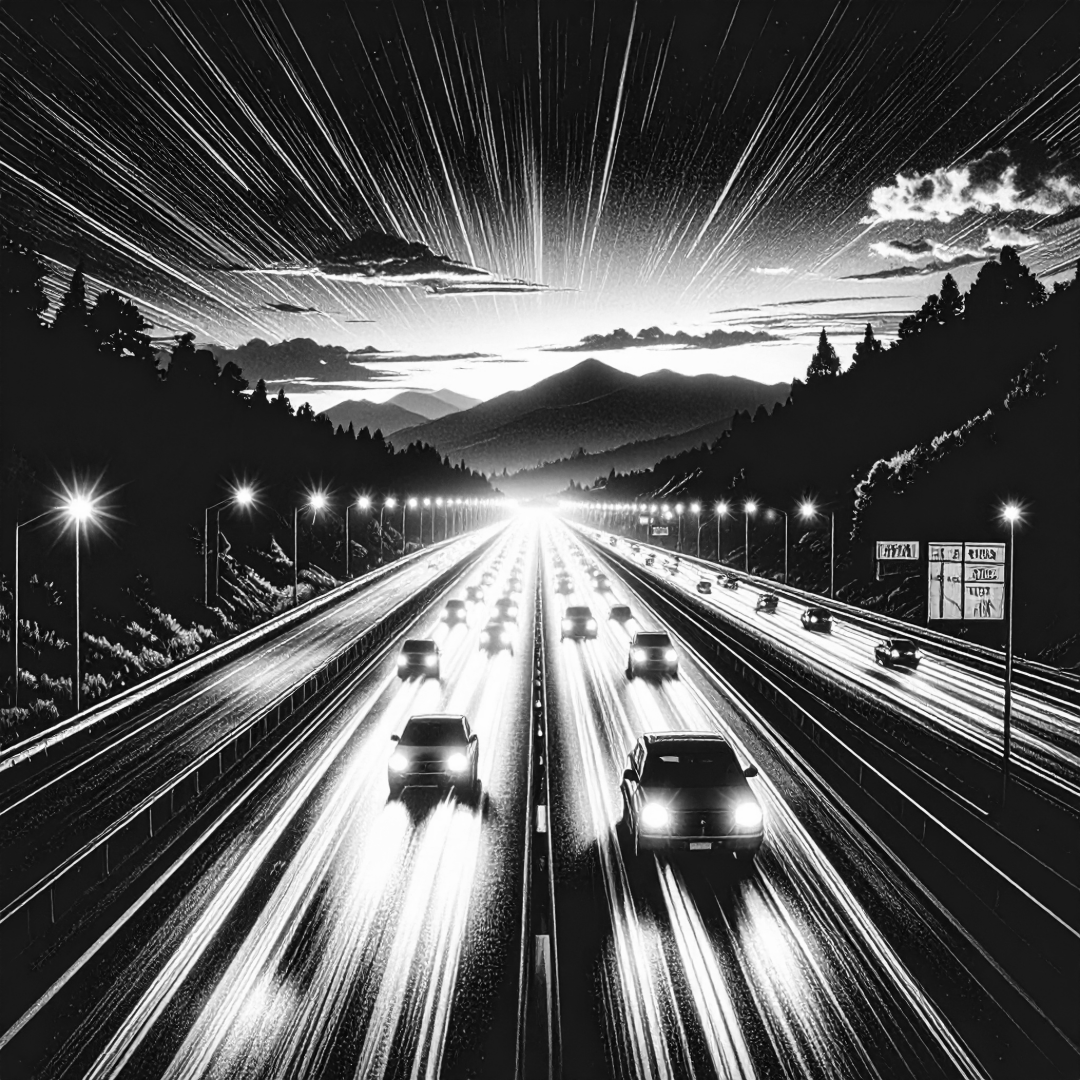
BIRMINGHAM, Ala. — Birmingham is set to devote $2 million to an interstate-lighting project aimed at brightening long-standing dark stretches on two of the city’s most heavily traveled highways, including Interstate 20/59 and Interstate 59 near the interchange with Interstate 459.
The Birmingham City Council approved Mayor Randall L. Woodfin’s $31.8 million spending plan, funded by a fiscal 2024 surplus, with the lighting project included as part of a broader package tied to infrastructure and neighborhood improvements. City and state officials say the effort is intended to address a problem that commuters have complained about for years, with some stretches of highway lacking functioning lights or carrying little to no illumination at night.
City Councilor Hunter Williams said the dark interstate lighting is not unusual across Alabama and creates both safety concerns and an unwelcoming driving environment. Woodfin said the issue is one of the most common complaints his office receives, adding that residents “need to be able to see at night” when they drive through the city.
According to ALDOT, the project is planned in two phases. Phase one would run along I-20/59 from the junction at 66th Street North to the East Lake area at 88th Street, while phase two would extend from 88th Street along I-59 to the I-459 interchange. ALDOT communications coordinator Jon Paepcke said the agency hopes to put phase one out for contract as early as July, with phase two following in September, and officials estimate construction could take 10 to 18 months once the work is bid and finalized.
The funding arrangement is designed as a pilot program, with Birmingham providing a local match and ALDOT and the regional planning commission each contributing $2.4 million in federal funds. Officials said the project could serve as a blueprint for future lighting work in the metro area if it succeeds.