
SELMA, Ala. — A weekend meant to honor nonviolent resistance and the fight for voting rights was scarred by gunfire as two separate shootings left eight people injured during Selma’s annual Bridge Crossing Jubilee, authorities said.
Selma police said the first shooting happened around 1:25 a.m. Saturday in the 1200 block of Alabama Avenue, near the area where Bridge Crossing Jubilee events were being held. A fight broke out among a group of people and shots were fired, injuring six, who were taken to a hospital for treatment, according to police.
Police said one person has been arrested and charged with assault in connection with that incident, but authorities have not released the suspect’s name. In a second incident tied to the weekend’s activities, a fight at the Jubilee festival led to another shooting, wounding two people whose injuries were not believed to be life-threatening, police said.
No arrests had been announced in the second shooting as of Sunday, and investigators are still gathering evidence and following leads, city officials said. Event organizers said city leaders ordered vendors to shut down early on Sunday afternoon for safety reasons, citing limited police manpower and a desire to protect marchers and visitors.
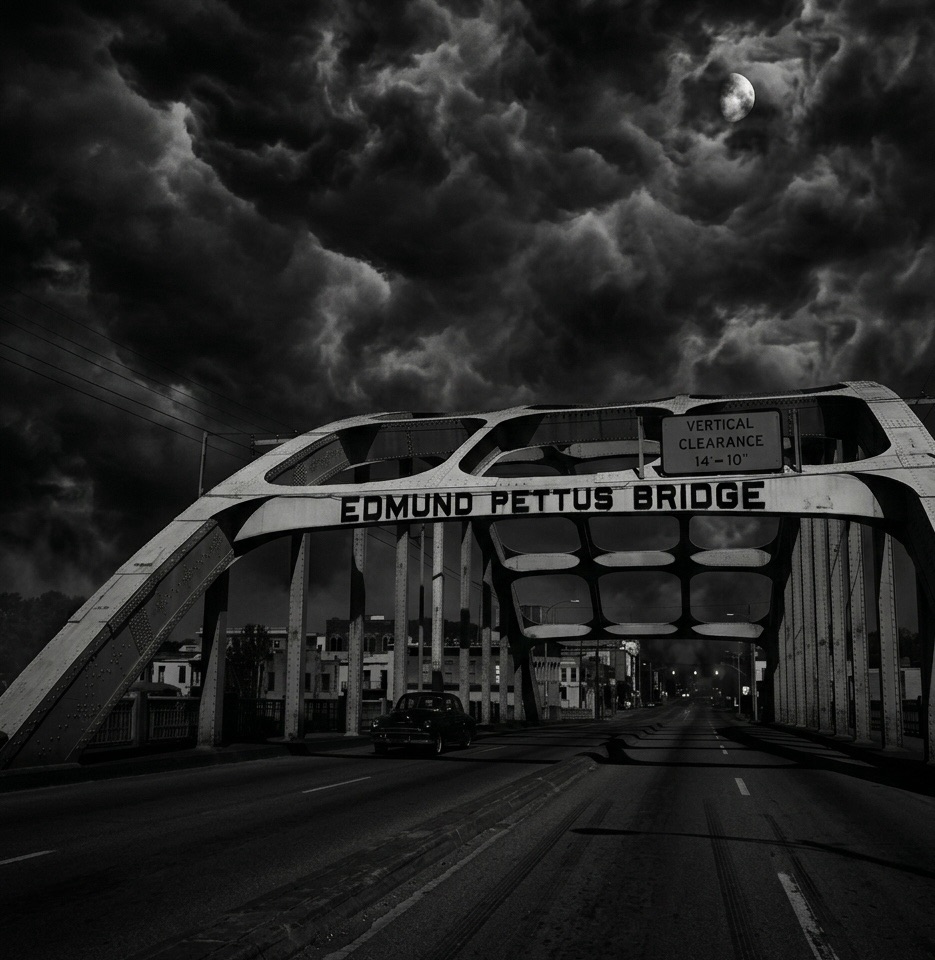
The violence unfolded as thousands of visitors, civil rights veterans and voting rights advocates converged on Selma to mark the 61st anniversary of “Bloody Sunday,” when state troopers brutally attacked peaceful demonstrators on the Edmund Pettus Bridge on March 7, 1965. That attack, broadcast nationwide, helped spur passage of the Voting Rights Act, which has since been weakened by U.S. Supreme Court rulings that have drawn sharp criticism from civil rights groups.
This year’s Bridge Crossing Jubilee, organized in part by Black Voters Matter and other grassroots groups, included panel discussions, an HBCU student teach-in and a warrant clinic aimed at clearing fines and restoring driver’s licenses, efforts advocates say are crucial to dismantling modern barriers to the ballot. The weekend was also framed by concern over a pending Supreme Court case that could further erode Section 2 of the Voting Rights Act, raising alarms among voting rights organizers about renewed attacks on multiracial democracy.
In a statement posted online, Selma Mayor Johnny Moss III called the shootings “deeply concerning and unacceptable” and said the reckless acts threatened the spirit of what the weekend represents, while stressing that most events had been peaceful and uplifting. City officials said the decision to curb Sunday’s vendor activities was intended to keep focus on the commemorative march and to ensure that residents and visitors could gather at the bridge without additional fear of violence.
For many here, the fact that gunfire again shadowed a weekend dedicated to nonviolence underscored the unfinished work that began on the bridge six decades ago: confronting systemic racism, economic disinvestment and the easy availability of guns that disproportionately harm Black communities in the Deep South. As marchers stepped once more onto the Edmund Pettus Bridge on Sunday, they walked in the shadow of both 1965’s state-sanctioned brutality and the weekend’s street violence, a reminder that the struggle for justice and safety in places like Selma remains far from over.