
BIRMINGHAM, Ala. — Red Mountain Park, the vast urban green space built atop Birmingham’s former iron ore mines, has opened a new pavilion with permanent, universally accessible restrooms and water fountains at its main Frankfurt Drive entrance.
The 1,800-square-foot covered pavilion is designed to make visits more comfortable and safer, especially for people with disabilities, families with young children and older adults who have long relied on portable toilets at the popular park. Within the pavilion, a 460-square-foot structure houses multiple single-occupant restrooms, including two rooms specifically designed for caregiver-assisted use, alongside new water fountains and bottle-filling stations.
Officials from across Jefferson County gathered in late February to mark the opening, calling the project a key step in making the park more welcoming to every resident. The facility sits just inside the Frankfurt Drive entrance, a heavily used gateway for hikers, dog walkers and school groups that access the trails and Remy’s Dog Park from Lakeshore Parkway.
The project was led by Jefferson County Greenways and funded through a public-private partnership that included the City of Birmingham, Jefferson County, the State of Alabama and other regional partners. Innovate Alabama, a statewide public-private initiative that backs entrepreneurship and community innovation, also helped make the pavilion possible, county officials have said.
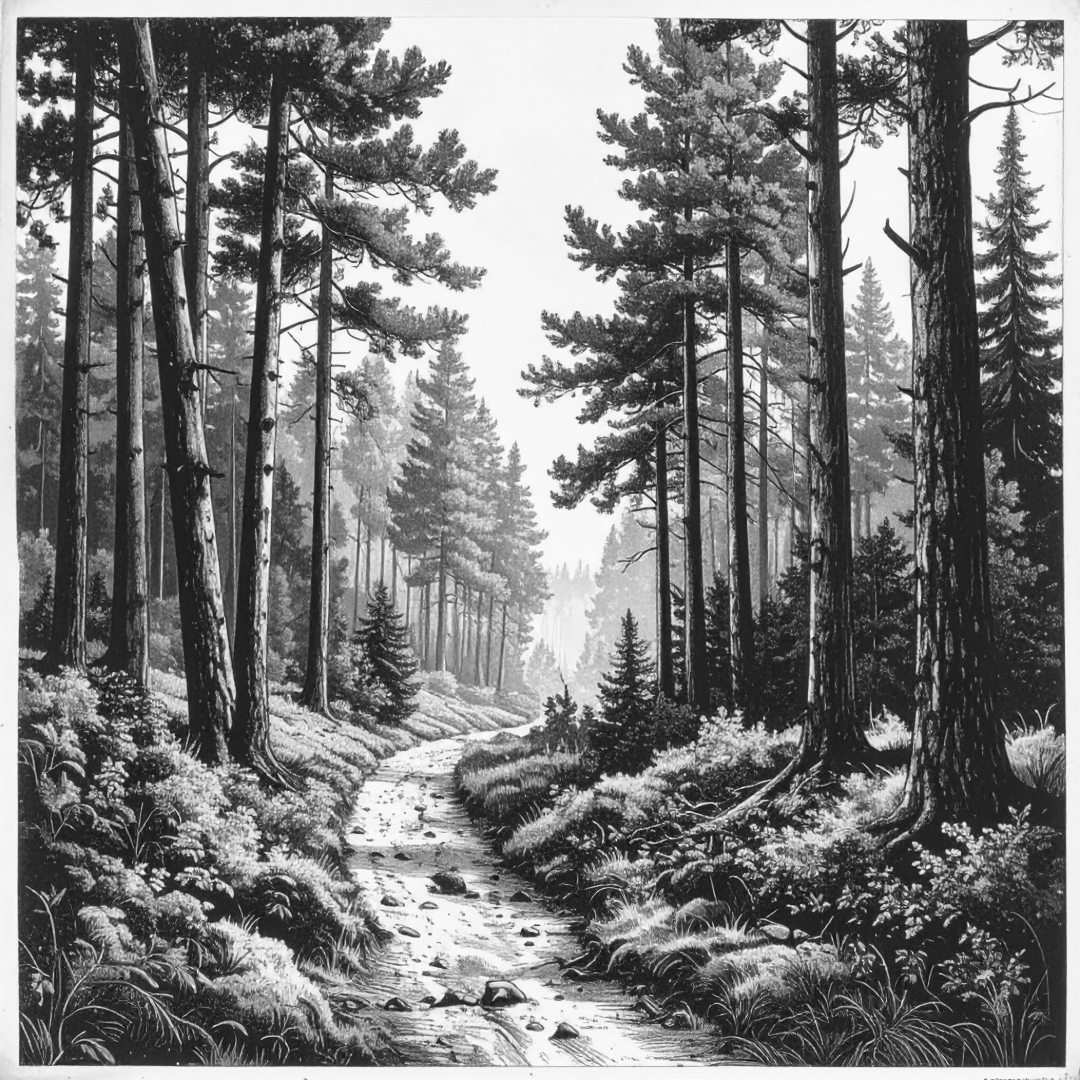
Red Mountain Park, operated by a nonprofit organization, spans about 1,500 wooded acres along the Red Mountain ridge, stretching roughly four and a half miles between Homewood and Bessemer. Just minutes from downtown, the park offers more than 15 miles of trails, city overlooks, three tree houses, the six-acre Remy’s Dog Park and adventure attractions such as the Vulcan Materials Zip Trip and Kaul Adventure Tower.
Long before it became a recreation destination, Red Mountain was the industrial backbone that helped create Birmingham’s “Magic City” boom. In the 1860s, geologists documented that the ridge held vast deposits of iron ore, located within a few miles of coal and limestone — the rare combination that made large-scale steelmaking possible and drew investors to found the city in 1871. By 1900, Birmingham’s population had surged from a few thousand residents to more than 140,000 as mines and furnaces multiplied along the mountain.
Today’s park preserves visible remnants of that mining era, including historic mine entrances, rail beds and structures that line many of the trails. One of the signature heritage sites, the Ishkooda No. 13 iron-ore mine, dates to 1873 and has been excavated as an interpretive feature that offers visitors a glimpse into the working conditions that once defined the ridge.
Red Mountain Park has also developed an oral history project with local scholars and community partners to document stories from miners and their families, centering the experiences of the working people who powered Birmingham’s industrial rise. Programs such as the “Go Tell It on Red Mountain” presentations invite residents to learn about the mines, then walk the trails and see the landscape that shaped the city’s economy and its communities.
Park supporters say modern amenities like accessible restrooms, water and gathering space are essential to sustaining that mission for a new generation. The pavilion is expected to serve as a hub for school field trips and community events, giving teachers and guides a shaded, central spot to meet groups before they head out to explore Red Mountain’s history and natural beauty.
For Birmingham-area residents, the upgrades mean a more comfortable visit to one of the region’s few large urban parks — and a reminder that the same ridge that once fueled furnaces is now helping neighbors connect with each other and with the city’s complicated past.