
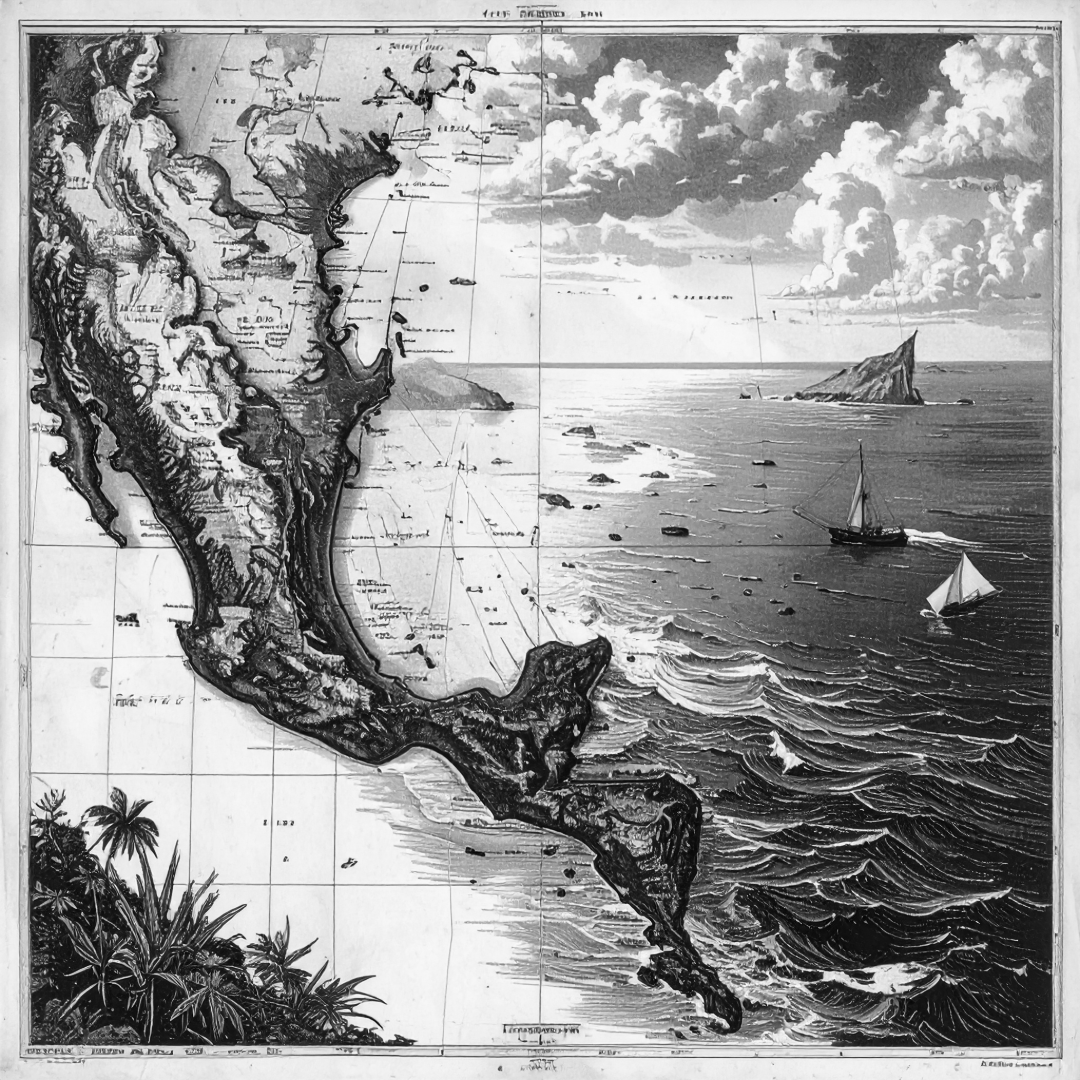
MONTGOMERY, Ala. — Alabama’s push to rebrand the Gulf of Mexico as the “Gulf of America” is the latest example of President Donald Trump and his allies using symbolic gestures to literally rewrite the map in his image, even as critics warn the country will be living with the consequences long after the headlines fade.
The Alabama House this week passed House Bill 2, the “Gulf of America Act,” which would require state and local governments and their employees to use the term Gulf of America “for all purposes within the State of Alabama” when referring to the waters off the state’s coast. The bill, which passed the House 74-30, directs agencies to adopt the new name in maps, documents, educational materials, websites and official communications beginning Oct. 1, 2026, “where practicable,” and now heads to the state Senate.
Supporters in Montgomery frame the move as a show of loyalty to Trump, who on his first day back in office in 2025 ordered federal agencies to begin calling the Gulf of Mexico the Gulf of America, and later proclaimed Feb. 9 “Gulf of America Day.” The Alabama bill’s sponsor has pointed to that executive order and to efforts in Congress to cement the change in federal law as justification for bringing state usage in line with Washington.
At the national level, House Republicans last year passed a bill by former Rep. Marjorie Taylor Greene of Georgia to require federal agencies to replace “Gulf of Mexico” with “Gulf of America” in maps and documents, sparking open frustration even within the GOP over spending floor time on a fight over a 500-year-old geographic name. One conservative lawmaker complained anonymously that colleagues were “upset that we’re not doing something more important,” while Rep. Don Bacon of Nebraska broke with his party to vote against the measure.
The naming campaign fits a broader pattern that has defined Trump’s second term, as he and his allies seek to etch “America First” branding into everything from foreign policy to federal holidays and now the country’s own geography. Trump has promoted the Gulf of America order at rallies and in official statements, and a White House official defended codifying it as a way to “send a clear statement that the elected leadership of the United States of America celebrates this great nation and its extraordinary people.”
Democrats in Washington and in statehouses have denounced the renaming drive as a distraction from economic and social problems, and some Republicans warn privately that the party’s fixation on culture-war symbolism risks alienating voters. House Democrats called the federal bill a misuse of time and taxpayer money, with one Pennsylvania lawmaker describing it as possibly the “dumbest” measure brought to the floor during her tenure. In Alabama, opponents argue that lawmakers are devoting valuable floor hours to a partisan branding exercise while agencies that serve children and families struggle
Beyond partisan rhetoric, the policy has real-world ripple effects that will reach into classrooms, courthouses and coastal economies for years. Alabama’s bill would force public agencies, and by extension many local institutions that interact with them, to weigh the cost of revising signage, tourism brochures, exhibits and legal documents that have long used the Gulf of Mexico name. Business and civic leaders on the coast have already raised concerns that rebranding could confuse visitors and weaken decades of marketing built around a globally recognized place name.
Geographers and diplomatic analysts say the Gulf of America push also undercuts established naming conventions that help different countries share charts, storm warnings and treaties. Trump’s executive order only binds U.S. federal agencies, and neither Mexico nor international bodies that govern maritime charts have recognized the change, leaving government maps and global usage increasingly out of sync. Even in the United States, public opinion polls have shown most Americans oppose abandoning the Gulf of Mexico name, suggesting that officials are moving faster than the people they represent.
Alabama’s legislation nods to the practical limits. The measure allows agencies to keep existing materials that would be too expensive to update and lets schools use “Gulf of Mexico” when needed for broader academic or historical context, an implicit acknowledgment that the old name is not going away. For now, the bill would chiefly change how state government talks about the coast — but not what the rest of the world calls it.
To critics, that gap between symbolic assertion and concrete reality captures the strange, unsettled mood of American politics in the Trump era: a major political party devoting scarce governing time to renaming oceans and seas while leaving deeper structural problems untouched. Whether the Gulf of America label sticks or fades, the fight over it offers a glimpse of a future in which maps, like institutions, become battlegrounds in an ongoing struggle over what — and who — defines the country.