
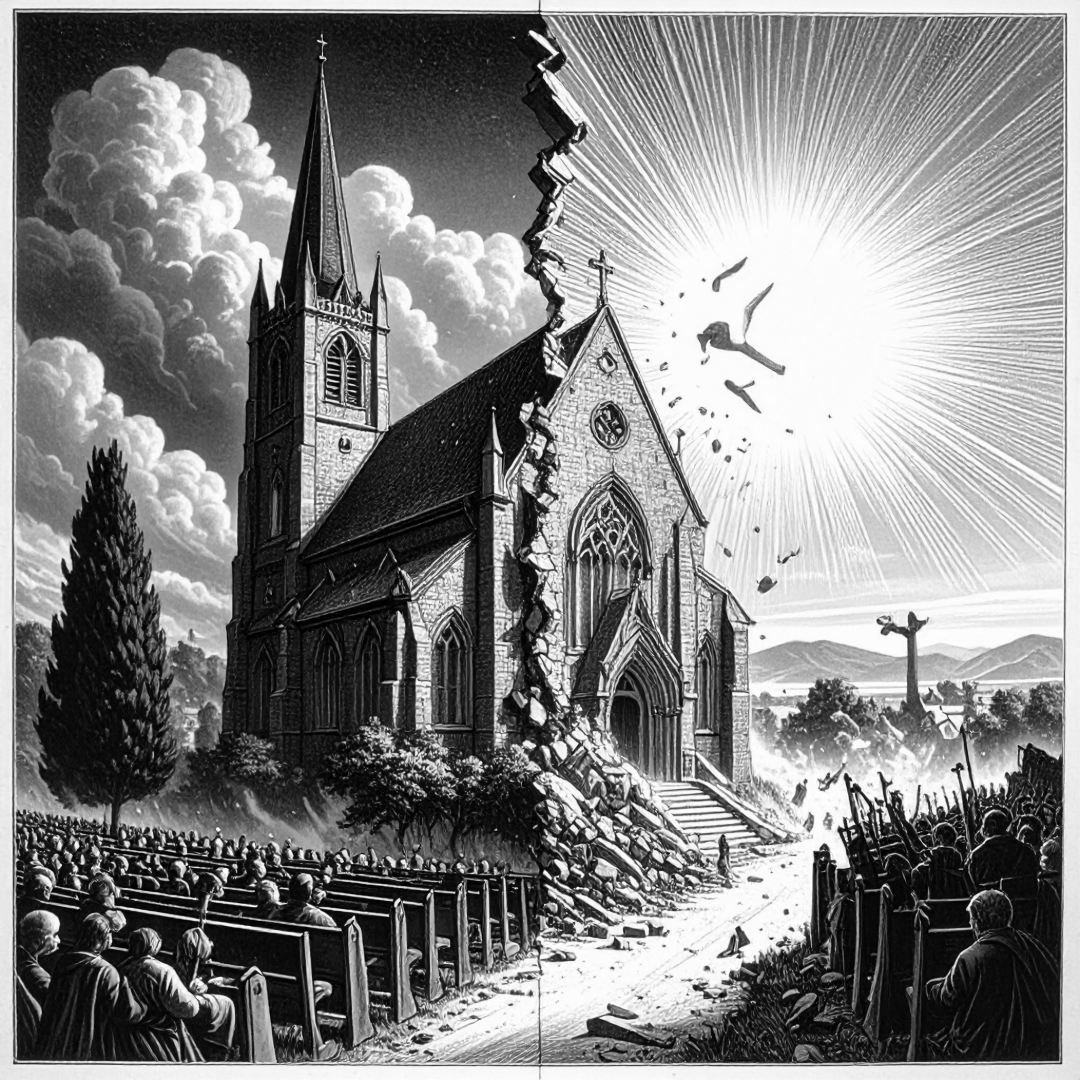
BIRMINGHAM, Ala. — Alabama courts are navigating a delicate boundary in United Methodist Church property disputes fueled by the denomination’s embrace of LGBTQ+ inclusion, applying state law to deeds and titles while steering clear of church doctrine — even as the state constitution bars foreign religious law.
The Alabama Supreme Court has split its rulings. In a Dothan case involving Harvest Church, justices allowed a lawsuit to proceed, finding that questions of legal title under Alabama property and corporate statutes do not require interpreting Methodist rules. But in Aldersgate United Methodist Church of Montgomery v. Alabama-West Florida Conference, where 44 churches sought to enforce disaffiliation votes under church law, the court dismissed for lack of jurisdiction, deeming it an internal ecclesiastical matter.
Both disputes trace to the United Methodist split over same-sex marriage and LGBTQ clergy. After the 2024-25 General Conference lifted a 40-year ban on gay ordination and same-sex weddings, conservative congregations nationwide — including hundreds in Alabama — left for the Global Methodist Church or independence.
Alabama follows U.S. Supreme Court precedent allowing “neutral principles of law” for church property fights — examining deeds, charters and state rules without ruling on theology. Harvest Church argued its incorporation vested full title locally, sidestepping any denominational trust clause. Aldersgate plaintiffs, however, asked courts to enforce paragraph 2553 of the Methodist Book of Discipline, which the justices rejected as forbidden meddling in faith matters.
More than 20 Alabama congregations remain in litigation, with trial judges now weighing who owns multimillion-dollar campuses in cases like Dothan’s, where a December 2025 hearing produced no final ruling.
The cases highlight tensions with Alabama’s 2014 constitutional amendment, approved by 72% of voters, prohibiting courts from applying “foreign law” that violates rights — a measure born from fears of Islamic Sharia despite no recorded instances. Critics called it symbolic anti-Muslim politics, as federal law already bars enforcing any religious code over secular statutes.
Yet Alabama courts now decline to enforce Methodist canon law in the same way, refusing to interpret disaffiliation rules while happily applying state property law. The parallel underscores how civil judges treat all religious law alike — Christian or otherwise — even if public rhetoric singles out Islam.
The schism reflects a fixation in many U.S. Christian circles on LGBTQ issues, where debates over gay clergy and weddings have eclipsed broader theological concerns. In Alabama, departing churches explicitly cited opposition to the UMC’s inclusivity, reshaping local faith communities around sexuality rather than poverty, war or worship.
Sociologists note this pattern elevates narrow questions of sex and gender above traditional Christian priorities, drawing intense energy from conservative pulpits even as cultural attitudes shift. For Alabama Methodists, the result is courtrooms packed with lawsuits over steeples, not sermons.