
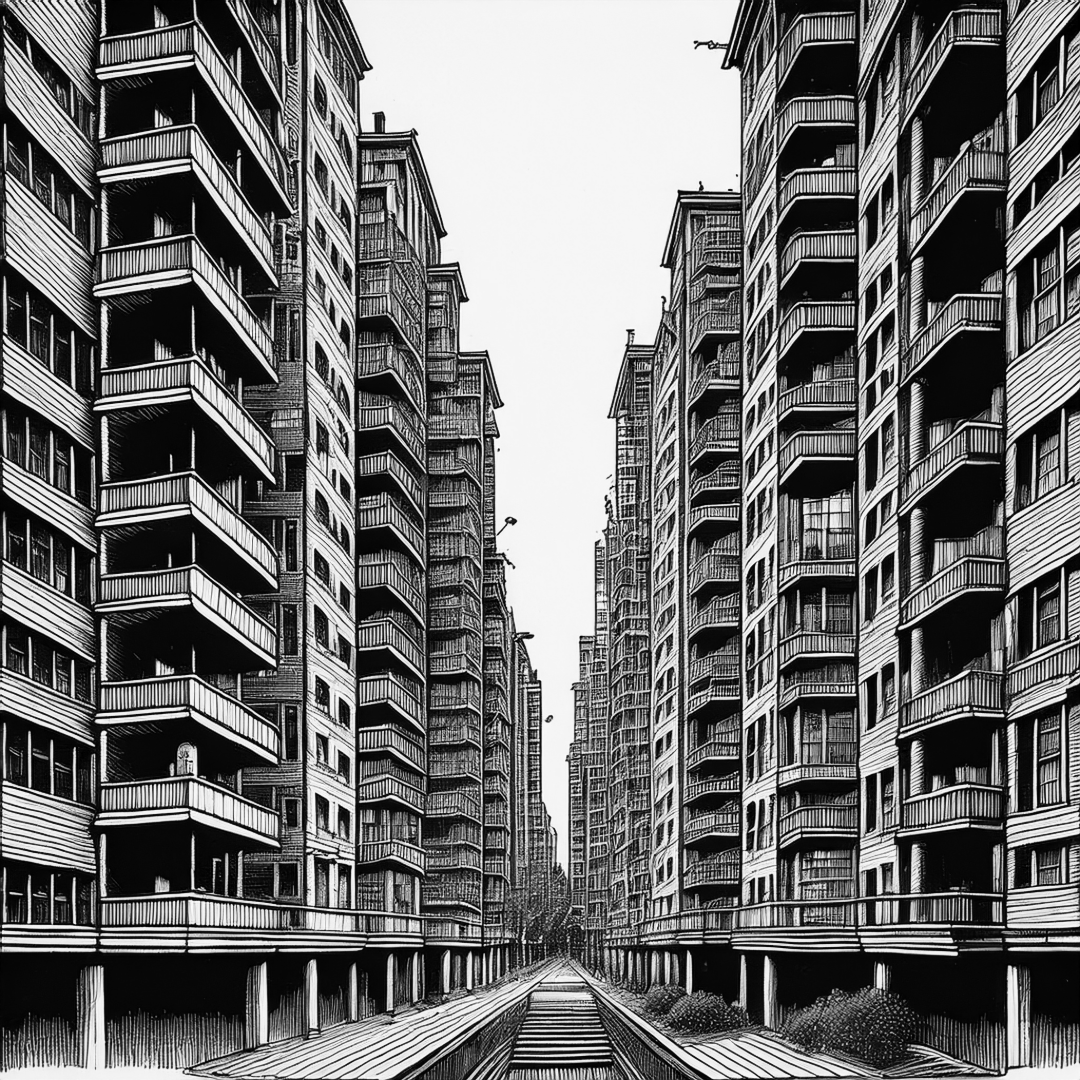
BIRMINGHAM, Ala. — After decades defined by vacant blocks and shuttered buildings, Birmingham’s downtown is seeing its biggest residential construction surge in generations, signaling both renewed investment and rising national prominence in the multifamily housing sector.
The metro area is expected to add 1,711 new apartment units in 2025, nearly triple last year’s total, according to RentCafe and industry analysts. That 198% increase gives Birmingham the second-highest year-over-year growth rate for apartment completions among U.S. cities this year, trailing only Naples, Florida.
Much of the development is concentrated in downtown, where business incentives and historic tax credits have sparked a wave of new projects after decades of decline. Notable complexes underway or opening this year include the 273-unit Fitzroy on Rotary Trail, the William redevelopment, and Southtown Senior at the Edgehill site. Further growth is underway at Livano Liberty Park with 270 units, Colina WeHo’s 310 apartments in West Homewood, and the James on Highland Avenue downtown.
Downtown Birmingham was largely empty for years, but from the revitalization of the Pizitz Building and Railroad Park to the opening of Regions Field in 2013, the city has steadily built momentum as a hub for young professionals and new investment. Current construction includes adaptive reuse projects, mixed-income housing, and luxury apartment towers, reshaping historic corridors and long-abandoned lots across the central business district.
Beyond downtown, new apartments are rising in southern suburbs such as Homewood and Hoover, driven by demand for high-quality rental units and Alabama’s relatively low cost of living. Birmingham’s role as an emerging tech and startup center is also attracting new residents, leading to higher absorption rates, rent growth, and population expansion well above the national average.
Local experts caution that the boom brings challenges, including a projected uptick in vacancy rates as thousands of units hit the market, possible strain on infrastructure, and affordability concerns for lower-income renters. Still, the city’s revitalization has changed Birmingham’s reputation from a place marked by urban flight to a leader in Southern housing trends, even as national construction slows in other midsized metros.
With projected population gains, sustained job growth, and hundreds of additional units approved or set to break ground next year, Birmingham’s apartment expansion reflects both its ongoing transformation and its new status as one of the country’s top metros for multifamily development in 2025.