
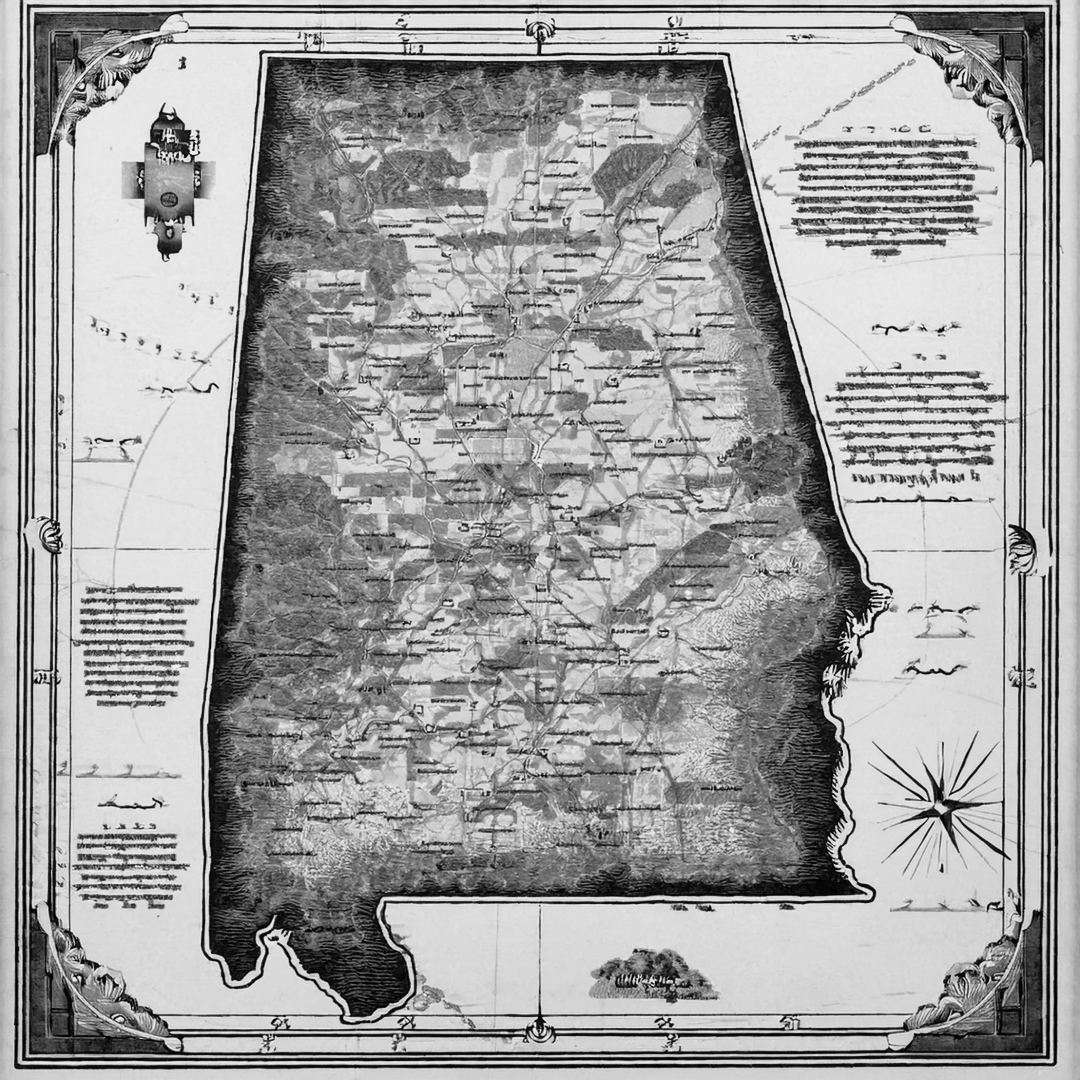
BIRMINGHAM, Ala. — Alabama lawmakers must redraw State Senate districts after a federal judge ruled this week that the current map violates the Voting Rights Act by diluting Black voting power in the Montgomery area. The decision, handed down Thursday, blocks the use of the existing map for the 2026 legislative elections and requires the creation of an additional majority-Black Senate district, or at least one in which Black voters have the chance to elect a candidate of their choice.
The ruling follows years of legal battles and advocacy by civil rights groups, who argued that the state’s legislative lines packed Black voters into a limited number of districts, weakening their influence elsewhere—particularly in Montgomery, where Black residents make up more than half the population but currently have only one Senate district with a Black majority.
The federal court found that the district boundaries, drawn after the 2020 Census, violated Section 2 of the Voting Rights Act. Plaintiffs pointed to the decades-long history of voting discrimination in Alabama, including former practices like gerrymandering and voting restrictions that have repeatedly been challenged in court. The state’s legislative maps have often been the subject of lawsuits and federal oversight since the Civil Rights era, with courts intervening to ensure broader representation for Black communities.
Now, the judge has directed the Alabama Legislature to act swiftly. Lawmakers must propose—and pass—a new State Senate map that provides equitable representation for Black voters in the Montgomery area. If the Legislature fails to enact changes in time, the court will step in for the 2026 election cycle and draw the lines itself.
The ruling does not affect districts outside of Montgomery, such as those in Huntsville, but marks another pivotal moment in the ongoing struggle for fair electoral representation in Alabama. Voting rights advocates praised the decision as a step forward in protecting the principle of one person, one vote.
The upcoming debate in Montgomery offers a chance for lawmakers to address historic inequities and bring Alabama’s legislative districts closer in line with the state’s diverse population.