
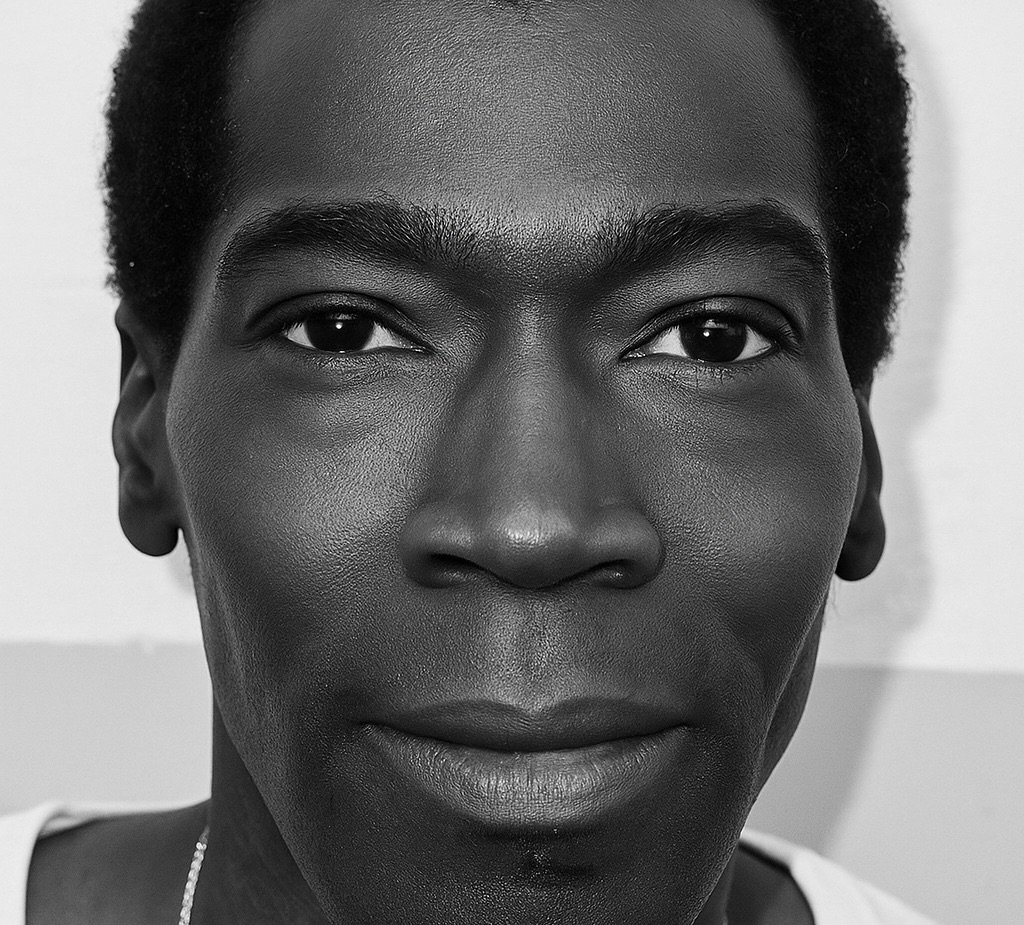
ATMORE, Ala. — An Alabama death row inmate scheduled for execution on October 23 has sparked debate over the state’s troubled history with capital punishment by asking the court for execution by firing squad or hanging, rather than by nitrogen gas. The request follows a series of botched executions and mounting criticism surrounding the use of experimental and controversial methods in Alabama, where the state’s approach to the death penalty has long attracted national attention for its inconsistencies and alleged cruelty.
Historically, Alabama carried out executions by hanging from 1812 until 1927, then replaced it with the electric chair, known as “Yellow Mama.” Inmates in Alabama could still be sentenced to death by electrocution until lethal injection became the default method in 2002, and nitrogen hypoxia was authorized in 2018. Notably, hanging was once routine, with one instance of execution by firing squad also recorded, but those methods are now absent from the authorized forms of execution in the state.
The inmate—Anthony Boyd—was convicted for his role in a fatal robbery in Bibb County in 1994. Prosecutors said Boyd, acting with accomplices, kidnapped and murdered a man during a robbery. Boyd’s appeals have since focused both on his conviction and the state’s rapidly evolving methods of execution.
Boyd’s lawyers argue that mandating nitrogen gas, particularly after Alabama’s highly publicized execution of Kenny Smith in January, risks further unnecessary suffering. Smith was the first person to be executed by nitrogen hypoxia, but witnesses reported violent convulsions and apparent distress as he suffocated, sparking wide condemnation from civil rights advocates and legal scholars. Boyd’s attorneys cite the dangers observed in that execution as grounds to seek updates to the protocol or alternative methods, stating that firing squad or hanging—though controversial themselves—would at least avoid what they describe as “conscious suffocation”.
Alabama’s death row has repeatedly come under scrutiny for procedural failures, prolonged executions, and legal controversies—including a notorious period when judges routinely overrode jury verdicts that favored life sentences. Its record for botched executions remains the worst in the nation, prompting the governor to temporarily halt executions and review the process in recent years.
Boyd’s unique request highlights the tension between historical precedent and modern constitutional standards. While the judge has yet to decide whether firing squad or hanging will be permitted, his challenge signals both an echo of Alabama’s past and fresh controversy in one of America’s most active death penalty states.