
HUNTSVILLE, Ala. — Two northwest Huntsville neighborhoods have been added to the National Register of Historic Places, recognizing their role in the city’s growth and Black history.
The Magnolia Terrace Historic District and the Gurley Addition and Brothers Heights Historic District were listed on Nov. 18, the city said, following approval by the Alabama National Register Review Board in September and final review by the National Park Service.
Together the districts hold more than 250 properties, side by side north of Holmes Avenue and west of Pulaski Pike. Both were established during Huntsville’s rapid expansion after World War II, providing housing and homeownership opportunities for Black families at a time when segregation, discriminatory lending practices and urban renewal limited their options.
Gurley Addition and Brothers Heights began developing in 1946 as an example of Black-led residential development, planned and financed by Black developers. It offered homeownership and stability to families, many of whom were being displaced from established neighborhoods near downtown. The district retains much of its original character, including modest postwar cottages and ranch-style houses built from the 1940s through the 1960s.
Magnolia Terrace followed in 1950 and became an important residential community for Huntsville’s growing Black middle class, including families relocating for jobs at Redstone Arsenal and those displaced by urban renewal. Its gently curving streets, landscaped yards and midcentury homes reflect the suburban planning of the era, and its proximity to St. Joseph’s Catholic School, which served Black children during segregation, helped attract families to the neighborhood.
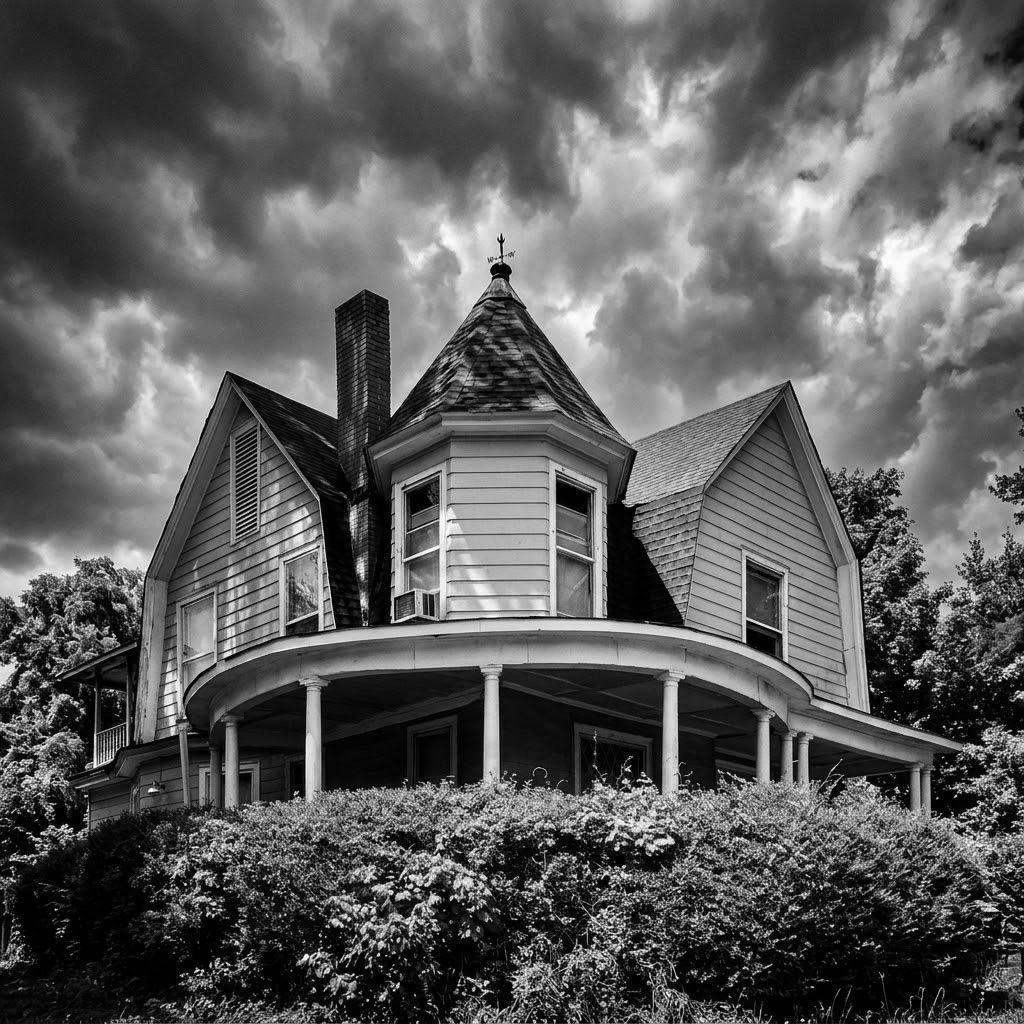
The oldest structure in the area is the Wells-Drake House at 2400 Stanley Drive, once owned by Dr. Harold Fanning Drake.
“These neighborhoods tell an important part of Huntsville’s story that deserves to be recognized and preserved,” City Preservationist Katie Stamps said. “As Huntsville grew into an aerospace and defense center, Black families were building strong communities of their own, often overcoming significant barriers to homeownership. These designations honor their contributions and help ensure their history is not forgotten.”
“These neighborhoods are more than streets and houses. They’re places where families put down roots, raised their children and built a better future, even when opportunities weren’t equal,” District 1 Council Member Michelle Watkins said. “I’m proud to see their history receive the recognition it deserves. It’s important that we remember the people who helped shape Huntsville and preserve their stories for future generations.”
The listing caps work that began with a 2021 survey funded by the Alabama Historical Commission and led by preservation specialist Dr. Caroline Swope. In 2025 the city approved a $35,000 agreement with Swope to prepare the nominations, 60 percent grant-funded and 40 percent city-funded.
National Register listing is a formal recognition of historic importance. It is an honor, not a new set of rules, and it does not require homeowners to change their properties.