
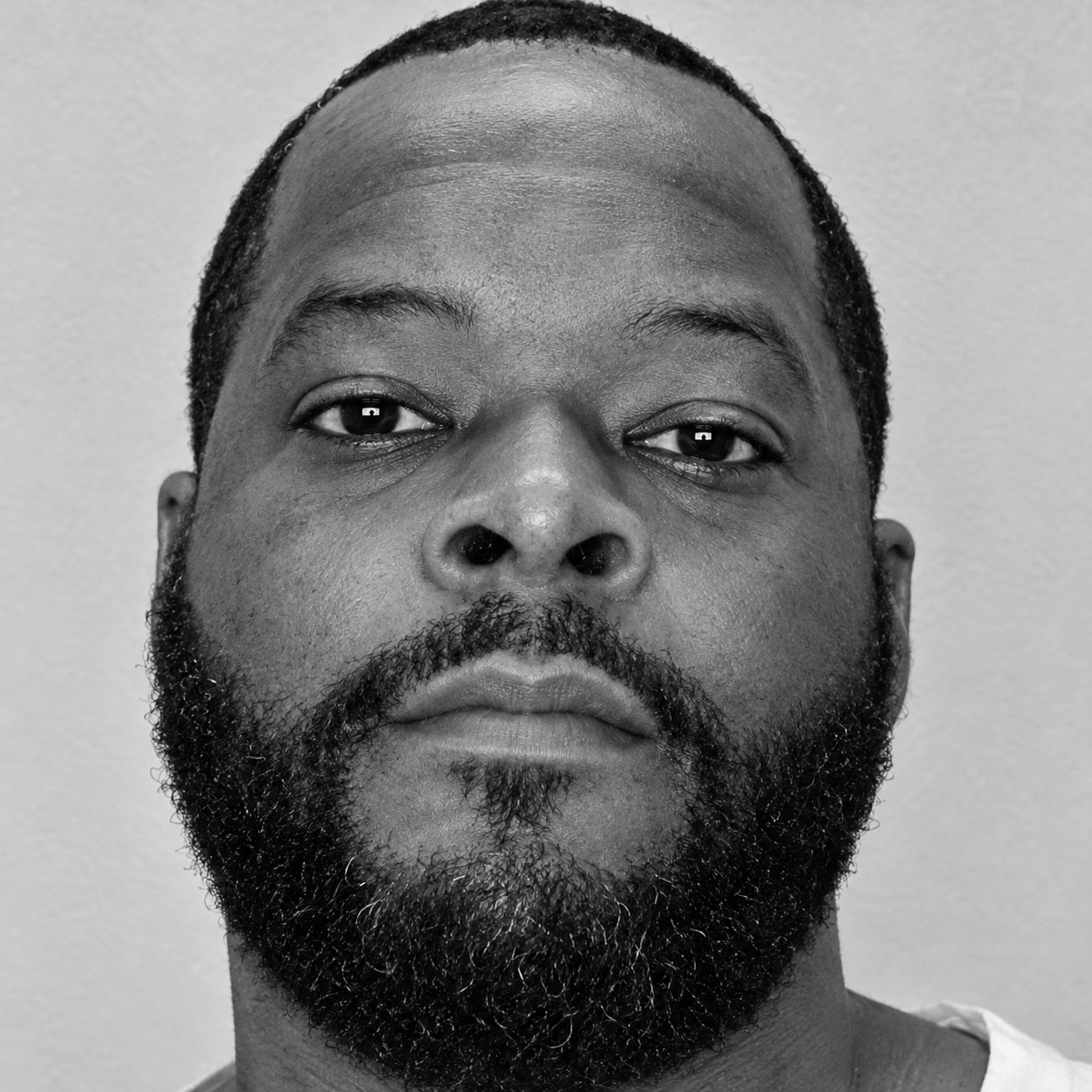
MONTGOMERY, Ala. — Gov. Kay Ivey commuted Toforest Johnson’s death sentence Tuesday to life in prison without parole, sparing the longtime Alabama inmate from execution in a case that has drawn scrutiny from prosecutors, former judges and celebrity supporters over the reliability of his conviction.
Johnson, 53, was sentenced to death in 1998 for the killing of Jefferson County sheriff’s Deputy William Hardy, who was shot while working an off-duty security job at a Birmingham hotel in 1995. Johnson has consistently maintained his innocence.
Ivey said questions about the evidence warranted reducing his punishment but emphasized that her decision did not establish his innocence. The commutation leaves Johnson’s murder conviction intact, and his attorneys say they will continue seeking a new trial.
“When presented with Mr. Johnson’s case, I had concerns there was not enough direct evidence to carry out the most serious punishment, death,” Ivey said in a statement. “My decision is not a determination of innocence, but a recognition that the circumstances of this case justify commuting his death sentence to life imprisonment, without possibility of parole.”
The decision marked Ivey’s third commutation of a death sentence during a tenure in which she has overseen 27 executions. Before announcing her decision, she notified Attorney General Steve Marshall and Beverly Hardy, a designated representative of the deputy’s family.
“Today, I pray for Deputy Sheriff Hardy’s loved ones,” Ivey said. “Deputy Sheriff Hardy died a hero, working hard to protect his fellow citizens.”
Hardy, a 23-year law enforcement veteran, was killed July 19, 1995, in the parking lot of the Crown Sterling Suites hotel in Birmingham. He was shot twice in the head while working security. Johnson has said he was at a nightclub across town when the shooting occurred.
No physical evidence tied Johnson to the crime. His first trial ended with a deadlocked jury, but a second jury convicted him of capital murder in 1998. Jurors recommended a death sentence by a 10-2 vote, and a judge imposed it.
Another man prosecuted in the killing, Ardragus Ford, was acquitted at his second trial in 1999 after his first trial also ended without a verdict.
The case against Johnson relied heavily on Violet Ellison, who testified that she overheard a man identifying himself as “Toforest” confess to the shooting during a telephone call involving the Jefferson County Jail. Ellison, who did not know Johnson, said she listened while her daughter was on the call.
Ellison received a $5,000 state reward in 2001. Johnson’s attorneys have argued that prosecutors withheld evidence of her financial motivation and that jurors should have been able to consider it when evaluating her credibility.
The attorney general’s office has disputed that argument. In filings opposing Johnson’s appeal to the U.S. Supreme Court in 2023, the state said his lawyers had not established that Ellison knew about or expected the reward when she testified. The state also noted that the payment was sought three years after the trial.
Questions about the conviction eventually drew support for a new trial from officials with experience prosecuting criminal cases, including Jefferson County District Attorney Danny Carr and Jeff Wallace, the original lead prosecutor.
Carr first supported a new trial in 2020 after his office reviewed the case. In a 2024 filing, he wrote that the “evidence in this case has unraveled over 20 years.” He cited credible alibi witnesses placing Johnson elsewhere when Hardy was killed and reasons to question Ellison’s account of the telephone call.
Wallace, who prosecuted Johnson through both trials, also supports a new trial in light of information he did not have during the prosecution, according to Carr’s office.
Former Alabama Attorney General Bill Baxley, former Alabama Chief Justices Sonny Hornsby and Drayton Nabers, former U.S. Attorney Joyce White Vance and former federal Magistrate Judge John Carroll have been among those supporting another trial. Several former jurors have also questioned the conviction.
Baxley brought the case to a national audience in a 2021 Washington Post opinion column, describing Johnson as “an innocent man trapped on Alabama’s death row.”
The legal challenges have continued for years. The U.S. Supreme Court declined to review Johnson’s case in October 2023. His effort to overturn the conviction remains pending in Jefferson County Circuit Court before Judge Kandace Pickett, while Marshall’s office continues to oppose relief.
Johnson’s case also attracted attention beyond Alabama’s courts, including support from reality television star and criminal justice advocate Kim Kardashian.
In December 2023, Kardashian posted about Johnson on Instagram, questioned why he remained on death row and encouraged followers to sign a petition supporting him. She also directed followers to “Earwitness,” an investigative podcast examining the case.
The eight-part series, reported by Birmingham journalist Beth Shelburne and released by Lava for Good in 2023, explored Hardy’s killing, the prosecution of Johnson and the evidence underlying his conviction.
The attention helped put a national spotlight on a case that had already drawn years of challenges from Johnson’s lawyers and concerns from Alabama legal figures.
Johnson’s attorney Ty Alper welcomed Ivey’s decision Tuesday but said the defense would continue working to overturn the conviction.
“We are grateful to Governor Ivey for diligently reviewing Toforest’s case and taking action to spare an innocent man from execution,” Alper said in a statement.
“Toforest Johnson is innocent. Now it is up to the courts to overturn his conviction and grant him a new trial. We will keep fighting until he is home with his family.”
Johnson’s daughter, Shanaye Poole, told USA Today that she cried when she learned of the commutation.
“We have to keep the momentum going. The fight will continue,” she said.
Ivey’s decision followed her commutation of Robin “Rocky” Myers’ death sentence in 2025 amid questions about his guilt and her decision in March to commute Charles “Sonny” Burton’s sentence. Burton had been sentenced to death for a killing during a robbery even though he was not the shooter and had left the store before the victim was killed.
Despite those decisions, Ivey reaffirmed her support for capital punishment Tuesday.
“Capital punishment is too important of a tool for Alabama to not approach it carefully and seriously,” she said.