
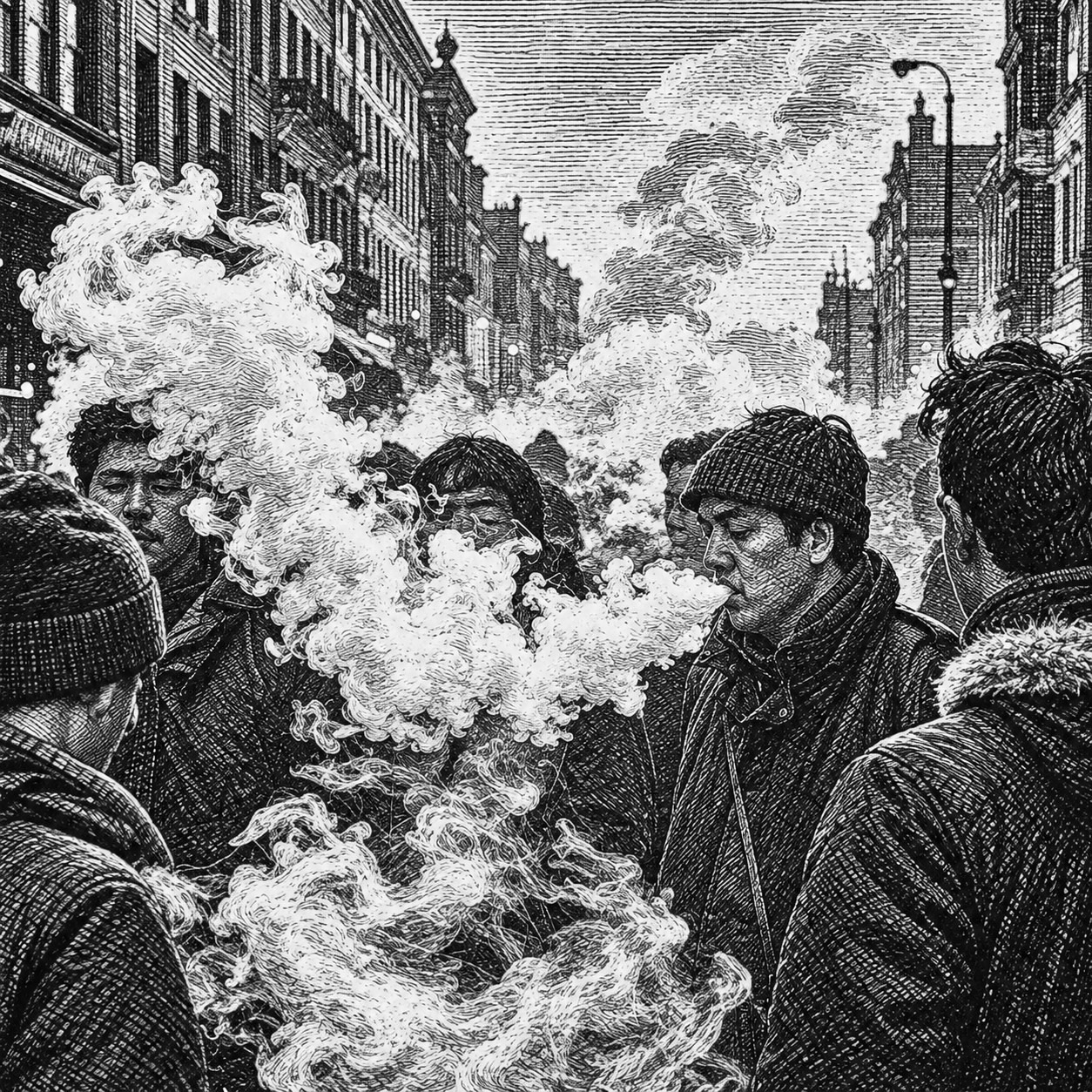
MONTGOMERY, Ala. — Alabamians will no longer be permitted to vape in places where state law already prohibits smoking when a new state law takes effect Oct. 1.
Senate Bill 9, signed into law as Act 2026-505, adds the use of electronic nicotine delivery systems to Alabama’s legal definition of smoking under the state’s Clean Indoor Air Act. The law applies to e-cigarettes, vape pens and other electronic nicotine delivery systems — including devices used with e-liquids containing nicotine, THC or other substances, according to the Alabama Department of Public Health.
The measure does not create an across-the-board ban on vaping. Instead, it applies existing restrictions on smoking tobacco products to vaping in public places and at public meetings covered by state law. The statute takes effect Oct. 1, according to the enrolled bill.
The law also renames the statute the Alabama Vivian Davis Figures and Barbara Drummond Clean Indoor Air Act, honoring state Sen. Vivian Figures, D-Mobile, and state Rep. Barbara Drummond, D-Mobile. Sen. Gerald Allen, R-Tuscaloosa, sponsored the legislation.
For many people, the practical rule is straightforward: If smoking is prohibited inside a covered location, vaping will be prohibited there as well.
The affected locations include enclosed public places such as hospitals, nursing homes, libraries, courtrooms, theaters, museums, restaurants, health care and educational facilities, shopping malls, government buildings, sports and recreational facilities, workplaces, airports, banks, retail stores and service businesses. The act also covers public meetings and public transportation, including buses and taxis.
The state law does not regulate vaping in outdoor areas. It also does not treat a private residence as a public place, although homes used as child care facilities are subject to separate rules. Local governments, employers, schools, hospitals and property owners may impose stricter smoke-free or vape-free rules than the state minimum.
The law retains several exceptions in Alabama’s existing Clean Indoor Air Act. Smoking — and, beginning Oct. 1, vaping — is not prohibited by the state statute in bars and lounges, retail tobacco stores and tobacco businesses, privately hired limousines, and hotel or motel rooms that have not been designated nonsmoking. State law allows facilities to establish designated smoking areas when they meet statutory requirements, but a business owner also may declare an entire property smoke-free or vape-free.
Restaurants are not universally required by the state law to be smoke-free, though designated smoking areas must be enclosed and well ventilated. The Alabama Department of Public Health says a restaurant with fewer than 50 seats and without existing barriers to contain smoke may be designated smoking or nonsmoking at the owner’s discretion. Local ordinances can be more restrictive.
Businesses and organizations covered by the law should review their smoking policies and update signs before Oct. 1, the health department said. State rules require “No Smoking” signs at entrances to nonsmoking areas, and the department has advised covered entities that their policies and signage should reflect the new vaping restrictions.
Under the existing enforcement framework, the Department of Public Health receives and investigates complaints. When the department finds a violation, it may issue a notice of violation to the person in charge of the facility and reinspect the site within 40 days. Complaints also may be referred to law enforcement authorities.
An individual who smokes — and, after Oct. 1, vapes — in a prohibited area may receive a $25 civil fine. A business may face a $50 civil fine for a first violation, up to $100 for a second violation within a year and up to $200 for a third or subsequent violation within a year. Municipal penalties may also apply under local ordinances.
The Department of Public Health said the law is intended to extend protections already applied to tobacco smoke in indoor public settings. State Health Officer Dr. Scott Harris said the change will help reduce exposure to chemicals associated with vaping in places where Alabamians live, work and gather.
For people who want help quitting tobacco or nicotine products, the Alabama Tobacco Quitline provides free cessation assistance at 1-800-QUIT-NOW.