
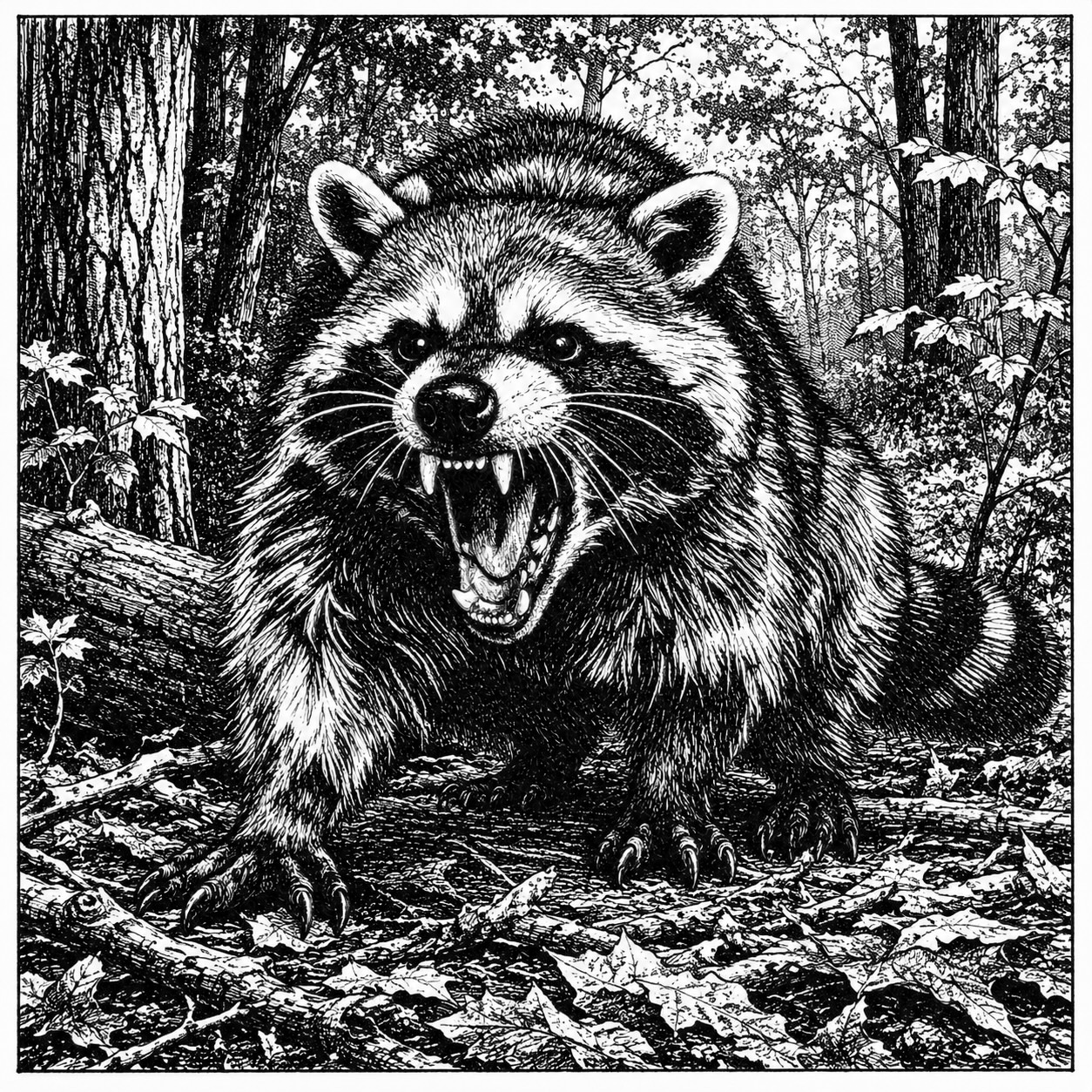
GADSDEN, Ala. — The U.S. Department of Agriculture plans to distribute about 1.36 million oral rabies vaccine baits across portions of Alabama next month, part of a long-running wildlife vaccination effort intended to limit the spread of the raccoon strain of rabies.
The largest Alabama operation, based in Gadsden, is expected to distribute about 712,000 fishmeal-coated vaccine baits in parts of northeast and central Alabama. Crews will distribute the baits by airplane, helicopter and vehicle, according to the USDA’s Animal and Plant Health Inspection Service.
A separate project based in Dalton, Georgia, is expected to distribute 648,000 baits across portions of Alabama, Georgia, North Carolina and Tennessee by airplane and helicopter.
The October distribution is part of USDA’s National Rabies Management Program, which has used oral vaccine baits in targeted areas since 1995. The program aims to stop the raccoon variant of rabies from spreading farther west and eventually eliminate terrestrial rabies in the United States.
The baits are not injections dropped from aircraft. They are roughly 2-inch plastic packets containing an oral vaccine and coated with a fishmeal attractant to encourage raccoons and other wildlife to eat them. USDA says people and pets cannot get rabies from contact with the baits. The agency advises residents to leave baits undisturbed when possible and wash hands or other exposed skin with warm water and soap if they handle one.
The effort comes as Alabama public-health officials continue to report rabies in wildlife across the state. The Alabama Department of Public Health confirmed a rabid raccoon in Montgomery’s Dalraida neighborhood in August and a rabid fox near the Billingsley junction in Autauga County later that month. A raccoon in Lee County and a fox in Elmore County also tested positive earlier this year.
Alabama has two rabies variants, according to the state Health Department: the raccoon variant and the bat variant. Raccoons account for most of the state’s rabies cases, but the raccoon strain can spread to foxes, coyotes, skunks and pets. State law requires dogs, cats and ferrets 12 weeks and older to be vaccinated against rabies.
The state reported 35 confirmed animal rabies cases in 2025 after investigating 1,073 possible exposures and conducting 1,057 rabies tests. Ninety-four percent of the confirmed cases involved wildlife, according to ADPH’s annual report.
Residents who are bitten or scratched by an animal should promptly wash the wound, seek medical care and report the exposure to their county health department, ADPH says. Rabies is preventable when treatment is given before symptoms begin, but it is fatal once symptoms appear.
The federal bait distribution also arrives amid significant disruption at the Centers for Disease Control and Prevention under the Trump administration. The administration has carried out broad cuts at the agency, with reporting in recent months documenting layoffs, workers placed on administrative leave and programs left without staff.
CDC remains publicly active on rabies response. On Sept. 10, the agency issued a nationwide health advisory after jurisdictions reported increased potential human exposures, more post-exposure treatment and treatment-administration errors. The agency’s advisory instructs health departments and clinicians to contact CDC’s rabies team for emergency consultation when needed.
USDA’s wildlife-bait program is operated through APHIS Wildlife Services, not CDC. Its scheduled Alabama work indicates that the federal wildlife-vaccination campaign is proceeding, even as wider public-health staffing cuts have raised concerns about the nation’s capacity for disease surveillance and response.