
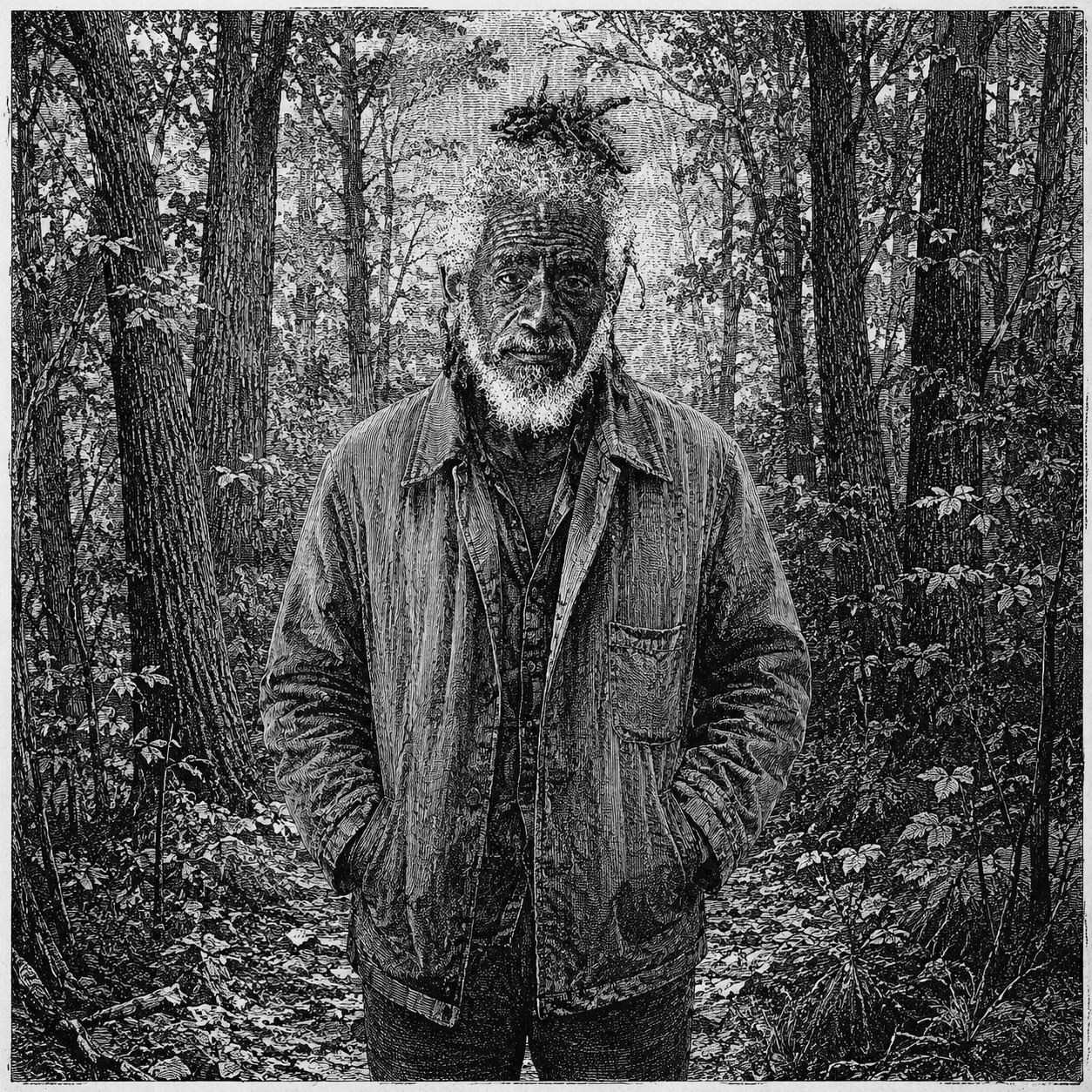
BIRMINGHAM, Ala. — A Jefferson County judge has ordered a traveling religious group led by Phalander Boyd, known to followers as “Lando,” to leave a Collegeville property after finding its encampment violated Birmingham zoning and habitability rules and constituted a public nuisance.
Circuit Judge Charles “Chuck” Price II ordered Boyd, other defendants and anyone staying at 3550 34th Court North to vacate the site by 3 p.m. Aug. 13 and remove tents, recreational vehicles, trailers, tools, supplies, trash and other property. The order authorizes Birmingham police or the Jefferson County Sheriff’s Office to remove people who remain after the deadline. The city may remove remaining property and seek to recover its costs through a lien.
The ruling followed weeks of complaints by Collegeville residents about sanitation, loose dogs, safety and the use of a vacant residential lot as a campground. The group described itself as a spiritual ministry called More Than a Profit/Prophet Ministries. Its members refer to Boyd as “Father” and “Reverend Lamp,” and followers say they believe he is an incarnation of Jesus. Boyd has identified himself as a spiritual leader and says he was called by “the creator” about 30 years ago to establish the ministry.
Price found the D-3 residential lot was being used as a dwelling without the permanent, immovable structure required by city zoning rules. Instead, the court found, people were living in recreational vehicles, trailers and tents. The court also found the property lacked running hot and cold water, a permanent source of heat and a permanent dwelling, making it unsuitable for habitation under Birmingham code.
The judge wrote that the use of the property had caused “harm, inconvenience and danger to the surrounding community.” Boyd, who represented himself in the hearing, did not contest the city’s allegations other than to say that no criminal activity was occurring at the site, according to the written order. He acknowledged that the people and property would have to be removed and that the lot would return to being vacant.
The dispute was not primarily about the group’s religious beliefs. The city’s case centered on land use, sanitation and housing-code issues. The court permanently barred Boyd and the other defendants from using, or allowing the property to be used, in violation of Birmingham zoning regulations and municipal codes.
Boyd had said the group was not squatting and that he purchased the property from his brother as a temporary location while he searched for a longer-term home for his followers. Documents he provided to WBRC appeared to show a deed was registered with the Jefferson County Probate Judge’s Office, according to a county representative cited by the station. But the city questioned the transfer during the court hearing, describing it as an “improper attempt” to convey the property. The judge said resolving the ownership issue was not necessary to decide the zoning and nuisance case.
The Collegeville site was one stop in the group’s broader travels across central Alabama. Boyd told WBRC that the group had been displaced from multiple earlier locations before moving into north Birmingham. In late 2025, the group was reported living at a campsite near Empire in Walker County, where authorities arrested several people after an encounter connected to an investigation at the site. Boyd said then that the people accompanying him were members of his ministry from different parts of the country.
By July, the group had erected tents and parked RVs and trailers at the Collegeville lot. News reports put the population at more than 30 people, while another report cited neighbor estimates of roughly 40. Boyd said people had left professional jobs, including technical and nursing work, to join the ministry.
City officials began enforcement action in late July. An RV was towed after officials said it had been cited for being parked in the right of way, and animal services removed four dogs described by the city as malnourished and lacking adequate shelter. Heart Birmingham offered services intended to help people find alternate housing or other assistance.
Boyd also was arrested in July on misdemeanor failure-to-appear warrants, according to Birmingham police information reported by local news outlets. That arrest was separate from the city’s nuisance lawsuit and did not form the basis of the court’s order to vacate the property.
At the August hearing, Boyd described the Collegeville location as a refuge and said he hoped eventually to establish a school teaching electrical work, mechanics and farming. He denied criminal activity at the camp and said its residents had found another place to go while he looked for a new site.
The group’s public theology, as articulated by Boyd and its members, centers on his claim of divine calling and his followers’ belief that he is an incarnation of Jesus. Boyd has told reporters that the ministry’s purpose is to share what he called “good vibes” and teach the “holy scriptures.” He also told WBRC that God had chosen him for the work and declared, “the Lord your God is here.”
Birmingham City Attorney Nicole King said the city acted after hearing concerns from North Birmingham residents and would use legal measures to protect public health, safety and welfare. City Councilor Brian Gunn said the city should enforce ordinances while connecting people at the encampment with services, describing compassion and accountability as complementary obligations.