
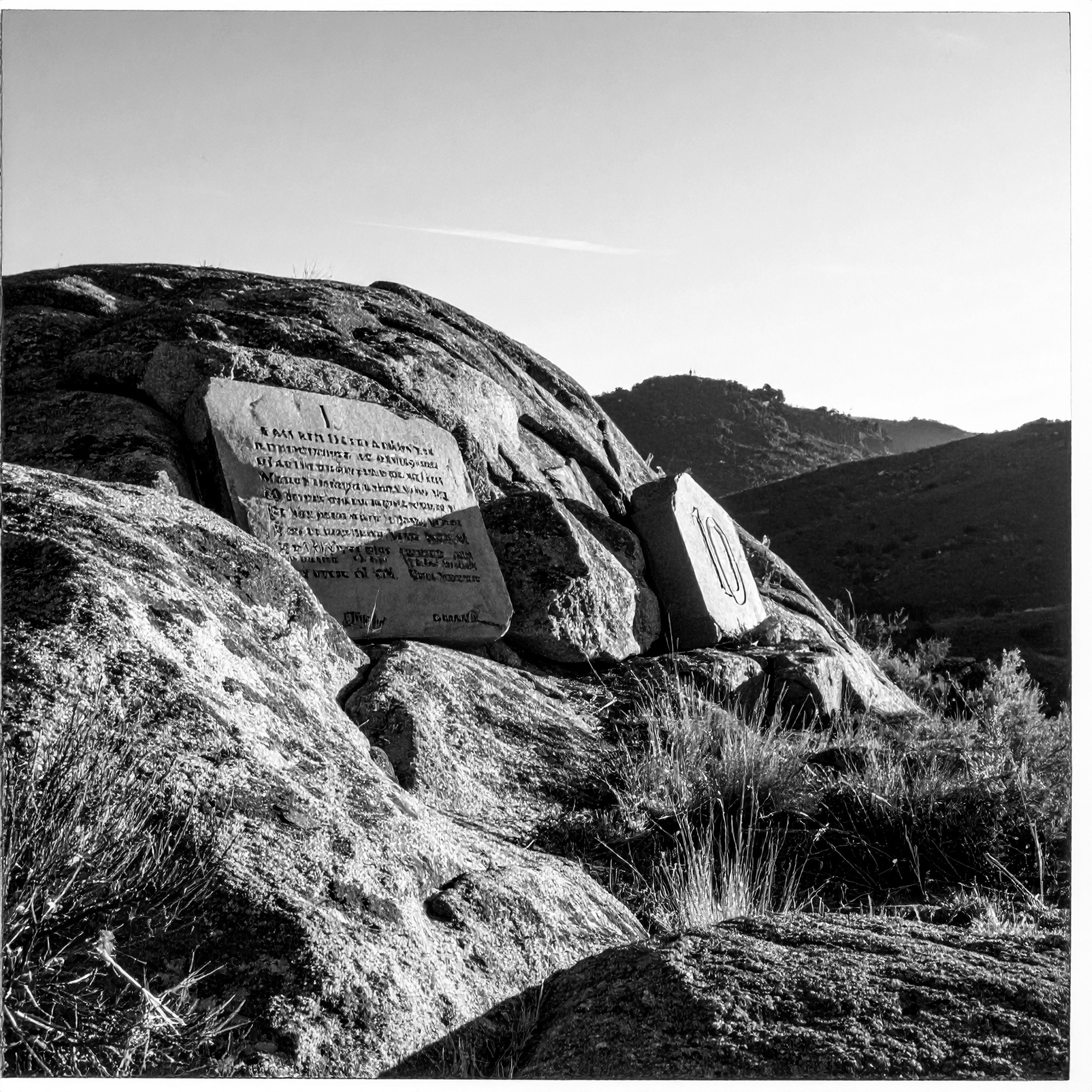
MONTGOMERY, Ala. — Alabama public schools are set to begin displaying the Ten Commandments in certain classrooms and common areas as the new school year starts, renewing a dispute over religion in public education and whether the state is promoting one faith tradition over others.
Gov. Kay Ivey signed Senate Bill 99 in April, requiring local school boards to display a poster or framed document in fifth through 12th grade classrooms where U.S. history is taught, as well as in entryways or other common areas such as cafeterias and libraries. The law says the display must be at least 11 inches by 14 inches and may be funded by donations rather than school spending.
The law requires a specific text and context statement, not just any generic religious poster. The version in the bill must be the King James interpretation
That wording is likely to fuel criticism that the state is mandating a display of a religious text that, in at least some versions, appears to warn against making images. The law does not appear to allow for Arabic translations or any other language, and it does not allow for translations other than the King James; it specifies the text to be used, which suggests schools would need to follow the statutory wording unless the state issues further guidance.
The law also requires a context statement describing the Ten Commandments’ historical role in public education and American civic life. Supporters say the displays are educational and historical, while opponents argue they amount to a government-backed religious message that can exclude students of other faiths or no faith.
The measure follows a 2018 Alabama constitutional amendment that allowed Ten Commandments displays on public property, but did not require them. Legal challenges are expected, and similar laws elsewhere have drawn scrutiny from civil liberties groups and constitutional scholars.