
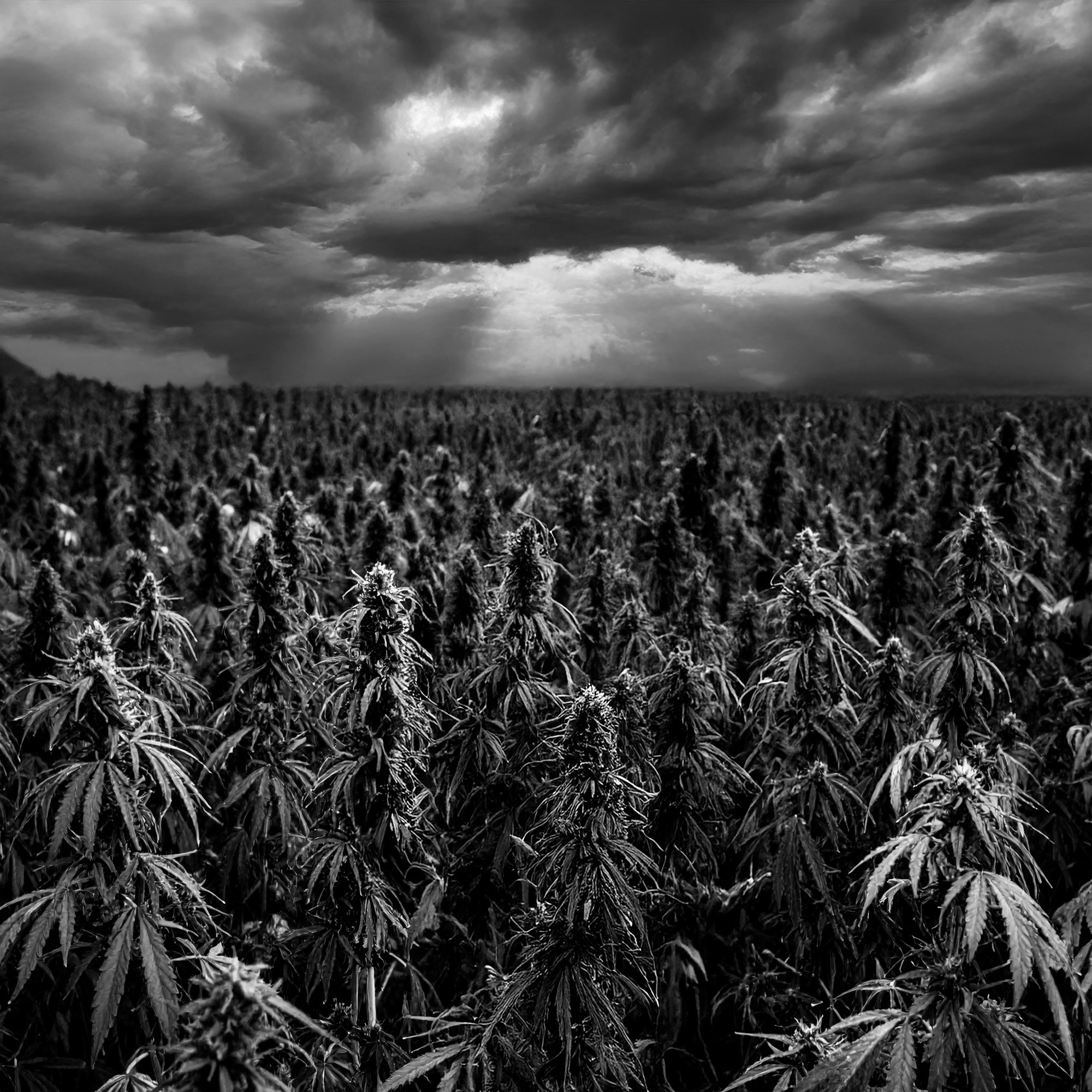
MONTGOMERY, Ala. — Alabama health officials are weighing whether to follow the Trump administration’s move to reclassify marijuana, a decision that could leave the state’s drug laws further out of step with much of the country and with public opinion that increasingly views criminalization as outdated and harmful.
The Alabama Department of Public Health’s State Committee of Public Health held a public hearing this week on whether to move marijuana from Schedule I, the state’s most restrictive category, to Schedule III, which covers substances with recognized medical uses and lower abuse potential. The hearing follows an April decision by the Trump administration to reclassify marijuana at the federal level and a May vote by the committee to object to automatic state-level rescheduling so officials could study how the change would be implemented.
Under Alabama law, federal changes to drug schedules normally trigger corresponding state changes within 30 days unless state health officials formally object and call a hearing. The objection by the State Committee of Public Health has temporarily frozen any state reclassification while the agency takes public comment and reviews the effects on Alabama’s criminal code and its tightly controlled medical cannabis program.
State Health Officer Dr. Scott Harris, who heads ADPH, has said the department “fully intends” to implement the federal rescheduling but sought more time to determine how the shift would work with state law. General counsel for ADPH has said a final decision on rescheduling must be made after Aug. 5, once public comments and testimony are reviewed.
At Wednesday’s hearing, conservative activists urged the committee to keep marijuana in the state’s most restrictive category and resist any move that they argue could normalize cannabis use. Their position mirrors the stance of long‑time prohibitionist groups such as the Eagle Forum of Alabama, which has opposed medical cannabis, broader criminal justice reforms and reproductive rights, putting it consistently on the side of harsher punishment and tighter social control rather than public health or civil liberties.
Cannabis reform advocates counter that the state’s hard‑line approach has already done deep damage, especially in Black and low‑income communities, by criminalizing a substance that medical and public health experts increasingly view as relatively low risk compared with alcohol and many prescription drugs. Even as Birmingham and some other cities have moved away from actively prosecuting low‑level marijuana possession, state law still allows arrests, prosecution and life‑altering criminal records for conduct that is legal or decriminalized in much of the country.
Alabama’s marijuana laws remain among the more punitive in the United States. Possession of even small amounts can carry jail time, fines and lasting collateral consequences such as lost employment, housing and educational opportunities, outcomes critics say bear no rational relationship to the actual harms of cannabis use.
Advocates for reform point to the state’s own creation of a medical cannabis system as evidence that Alabama already recognizes marijuana’s therapeutic value, even as it keeps harsh criminal penalties on the books for non‑medical use. They argue that continuing to treat marijuana as if it were among the most dangerous drugs — particularly when federal authorities have now acknowledged medical uses — is less about science and more about preserving a decades‑old drug war that has filled jails and prisons without improving public safety.
The federal rescheduling to Schedule III does not legalize marijuana nationwide or in Alabama, but it marks the most significant rollback of federal cannabis prohibition in more than half a century and could ease research barriers and tax penalties on legal cannabis businesses. Alabama officials must now decide whether to keep the state’s harsher classification or align with the new federal standard, a choice that carries both symbolic and practical implications for law enforcement, courts and patients.
To critics of criminalization, the answer is obvious: maintaining marijuana as a high‑penalty drug in state law will only perpetuate a system that has already cost people jobs, family stability and years of freedom over conduct that many other states no longer treat as a crime at all. To prohibitionist groups like the Eagle Forum and their allies, however, cannabis remains a cultural wedge and a tool for policing personal behavior — even when that stance comes at the expense of evidence‑based health policy and the lives of the Alabamians most likely to be targeted under the law.