
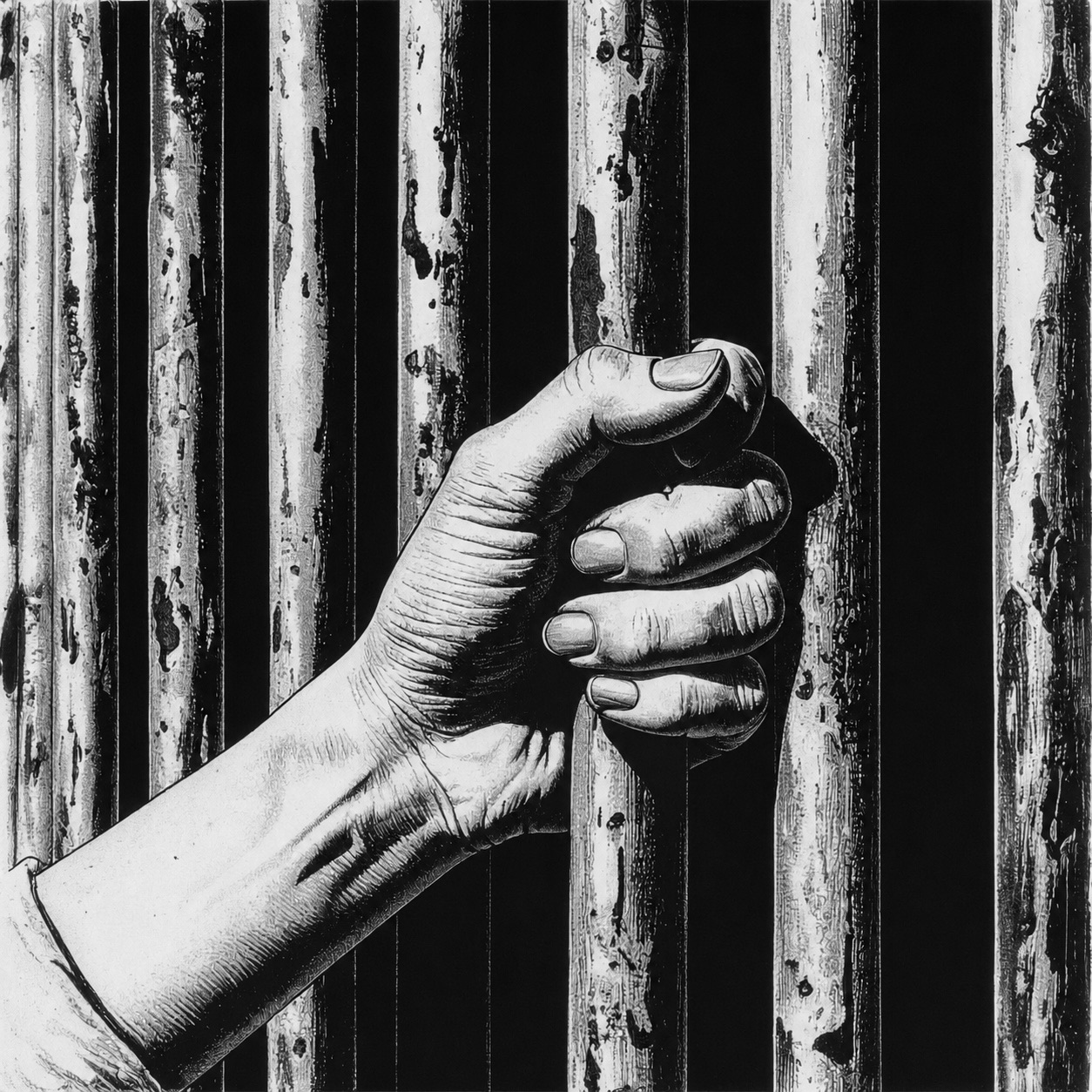
BIRMINGHAM, Ala. (AP) — Two people died within days in the Birmingham City Jail, including a Black trans woman whose death has renewed scrutiny of how Alabama jails protect vulnerable inmates and whether the state’s correctional system can keep people safe at all.
The city said it is investigating two in-custody deaths that occurred June 11 and June 14 at the jail downtown. In separate reporting, the June 11 death was identified as Kalena “Peaches” Croskey, a 32-year-old Black trans woman.
City officials have not released a cause of death in either case, and the deaths are being reviewed by Birmingham police and the Jefferson County Coroner’s Office. The first person was found unresponsive in a single-person cell, and the second was later found unresponsive after being placed on suicide watch, according to reporting on the city’s statement.
The deaths come against the backdrop of long-running criticism of Alabama’s prison and jail systems, which have faced state and federal scrutiny over violence, staffing shortages and unsafe conditions. The U.S. Department of Justice in 2019 said it had reasonable cause to believe Alabama’s men’s prisons failed to protect prisoners from violence and sexual abuse and did not provide safe conditions.
For trans people, the risks can be especially acute. An Alabama Department of Corrections policy summary states that inmates are assigned according to gender as determined by external genitalia, a rule that advocates have criticized as exposing trans people to heightened danger and humiliation in custody. That context has made Croskey’s death particularly alarming to LGBTQ advocates and civil-rights observers, even as officials have not said whether gender identity played any role in the incident.
The Birmingham jail deaths also add to a broader pattern of crisis in Alabama corrections, where advocates and federal officials have repeatedly described a system marked by chronic violence and inadequate protections. Even outside the state prison system, the latest deaths are likely to intensify questions about whether local jail officials are doing enough to protect people in custody, especially trans detainees and other people at elevated risk.