
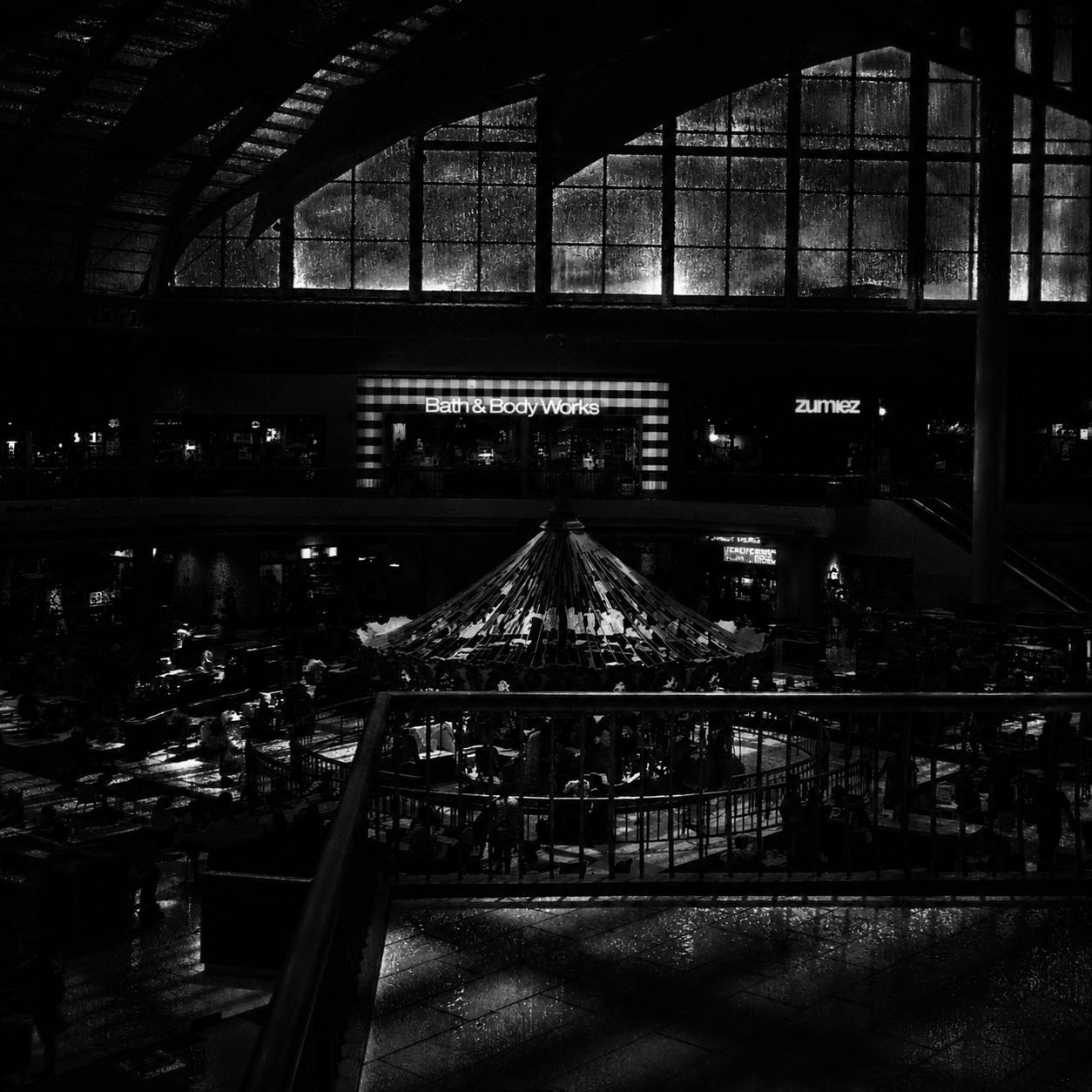
HOOVER, Ala. — The Riverchase Galleria, long one of Alabama’s best-known shopping destinations, is on the market as mall owners and local leaders confront a retail landscape that has changed dramatically around it, with shoppers increasingly favoring online purchases and more mixed-use destinations over traditional enclosed malls.
The 39-year-old mall, Alabama’s largest enclosed shopping center, has been the subject of a redevelopment study that envisions a much smaller retail footprint paired with apartments, public space and an arts center, underscoring how far the property has moved from its original role as a pure shopping hub. The mall opened in 1986 and remains a major landmark in Hoover, but the new plans show how developers are trying to reposition old malls for a market that no longer supports the same kind of department-store-heavy format.
A listing for the property describes the Riverchase Galleria as a retail sale opportunity at 2600 Galleria Circle in Hoover. The exact terms of any sale or future ownership structure were not immediately clear from the listing, but the move comes as the mall faces the same pressures that have hit many enclosed shopping centers across the country, including declining foot traffic, the rise of e-commerce and changing consumer habits.
In Birmingham, the decline of Brookwood Village offers a nearby reminder of what can happen when a once-premier mall loses momentum. Brookwood Village has been closed to the public and demolition is now beginning as part of a long-term redevelopment plan, with the interior and parking areas being cleared to make way for a new project. The teardown follows years of decline and vacancy, after Macy’s closed its Brookwood location and the remaining tenants left, leaving Riverchase Galleria as the last major enclosed mall on that side of the metro area.
Still, not every mall has disappeared. Eastdale Mall in Montgomery and Western Hills Mall in Birmingham remain open, showing that enclosed malls can survive when they keep enough customers and tenants to stay relevant. But even the malls that endure now face a different expectation from shoppers, who often want more than stores alone, including dining, entertainment, services and convenient access that can compete with online shopping.
For Riverchase Galleria, that shift helps explain why a place built around convenience — parking, weather protection and a wide retail mix — is now being recast as something more than a mall. The larger question in Hoover is whether the property can be sold and reshaped before it suffers the fate of Brookwood Village, or whether it can become one of the examples of how the mall model is changing rather than disappearing.