
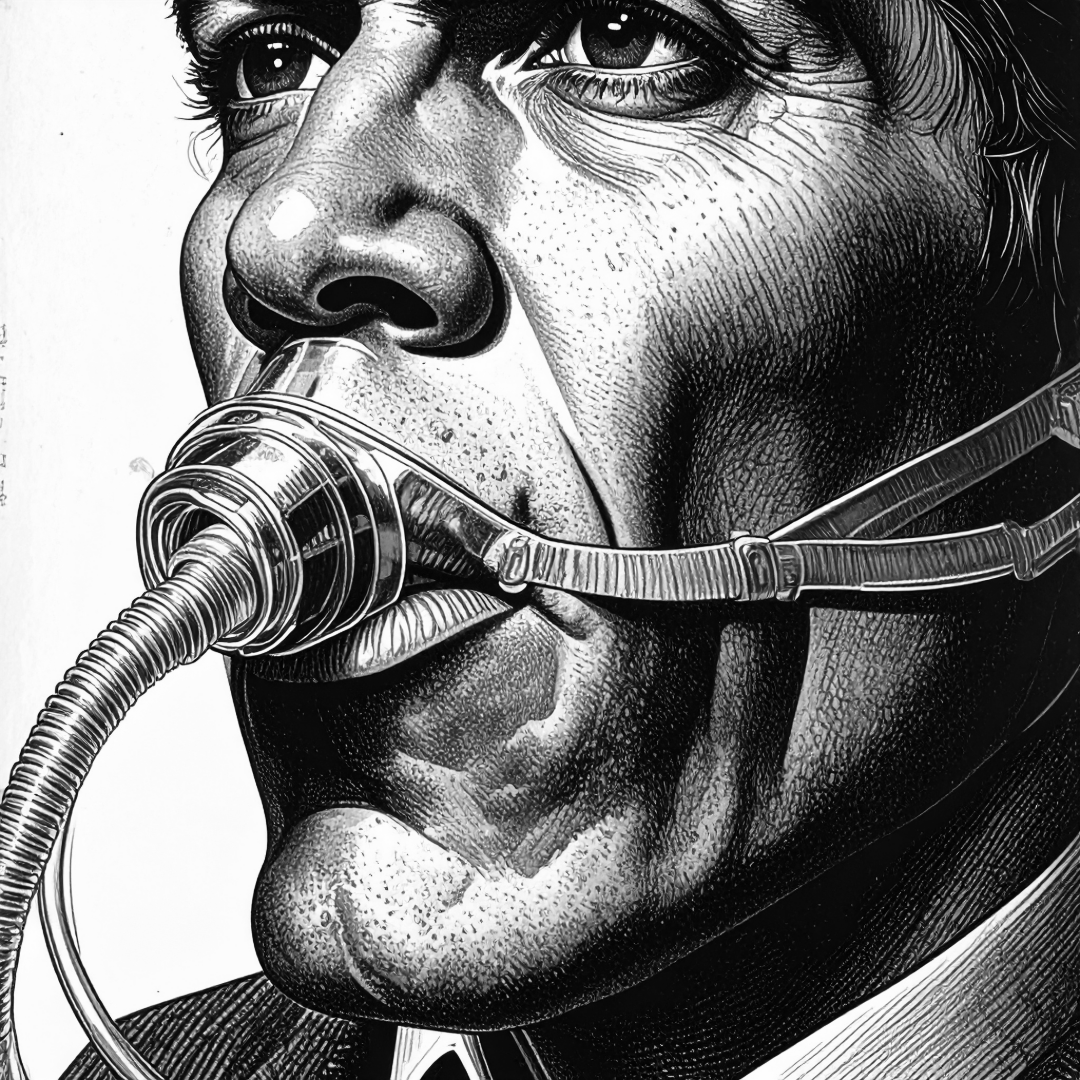
MONTGOMERY, Ala. — A federal judge has threatened sanctions against top Alabama Department of Corrections officials and the state attorney general’s office after finding they made false statements about equipment used in nitrogen gas executions, the latest episode highlighting deep flaws in the state’s troubled death penalty system.
U.S. District Judge Emily C. Marks ruled that the former ADOC commissioner, his deputy, Holman prison warden and an AG’s office attorney falsely told the court that pulse oximeters — devices clipped on inmates’ fingers to measure blood oxygen — could not retain data during executions. The claim came in response to death row inmate Jeffrey Lee’s request to preserve readings from his planned June execution, the only objective measure of consciousness during nitrogen hypoxia, a method Alabama pioneered in 2024 amid repeated lethal injection failures.
Marks’ order, issued last week, puts the officials on notice for possible penalties in ongoing litigation over nitrogen protocols that witnesses have described as causing prolonged suffering, contradicting state assurances of quick, humane deaths. The ruling underscores Alabama’s chronic execution secrecy and court deceptions, from the botched 2018 Doyle Hamm lethal injection where officials concealed vein access failures to 2022’s failed Alan Miller attempt and Gov. Kay Ivey’s temporary halt on executions for review.
Alabama’s prisons, plagued by overcrowding, understaffing and violence, amplify these capital punishment breakdowns, with Holman Correctional Facility — the state’s execution site — facing lawsuits over guard misconduct and inmate abuse even as it carries out secretive killings. Nitrogen executions of Kenneth Smith in January 2024 and Anthony Todd Boyd in October 2025 drew reports of writhing, gasping and seizure-like movements lasting minutes, not seconds as promised, fueling national criticism and copycat protocols in other states.
State officials have not commented on the sanctions threat, but the pattern of disputed claims and lack of transparency has led critics to question whether Alabama’s death penalty apparatus can function humanely or fairly amid systemic prison failures. Lee’s case, still pending, tests whether courts will demand verifiable data before allowing further nitrogen deaths in a system long criticized for botches, innocence risks and political motivations.