
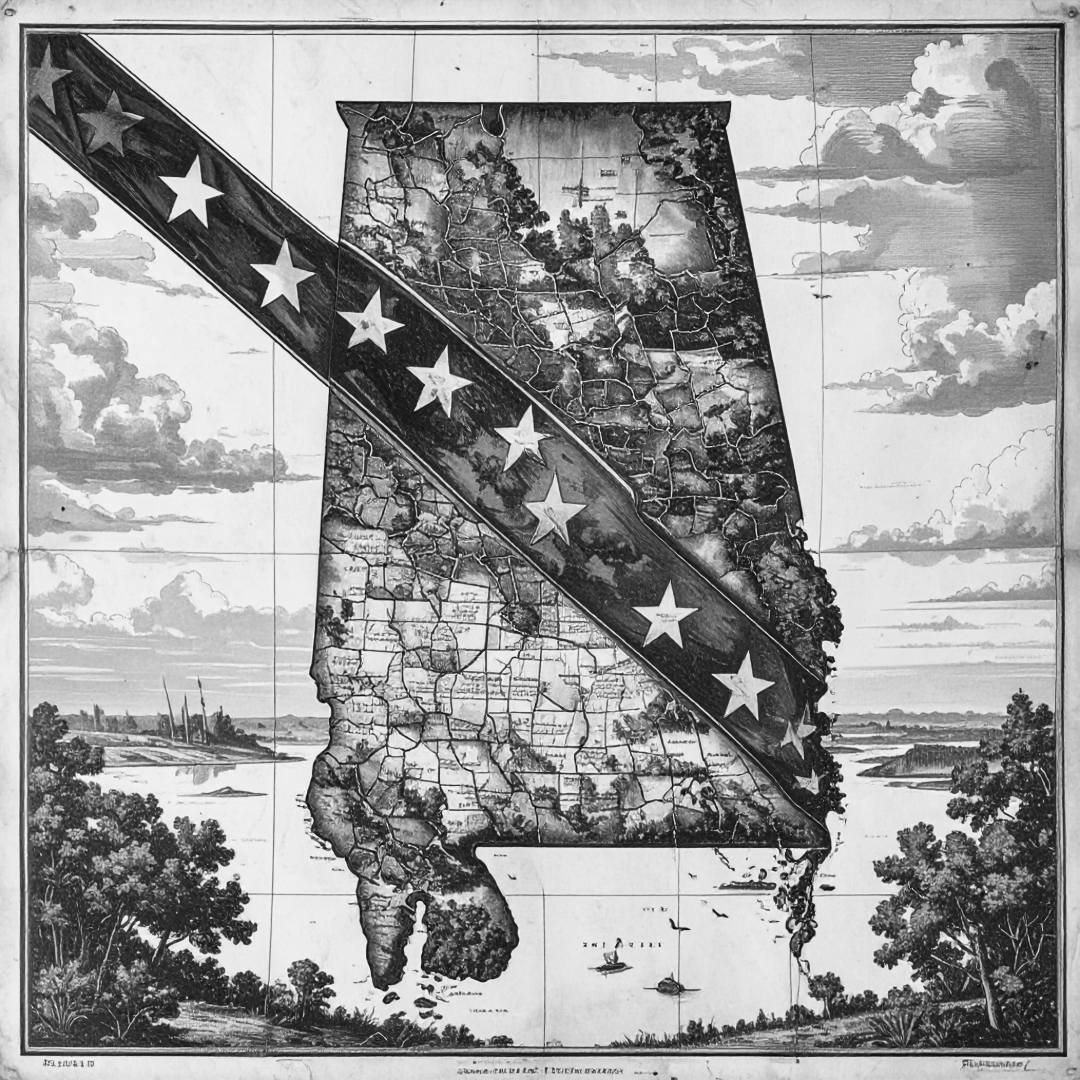
MONTGOMERY, Ala. — Alabama is observing Confederate Memorial Day on Monday, continuing a state holiday that dates to 1901 and remains tied to Civil War remembrance, Lost Cause traditions and a long-running debate over how the South remembers the Confederacy. The day is observed the fourth Monday in April in Alabama, and state offices are closed.
The holiday began with postwar memorial services organized by Southern women’s groups after the Civil War, including a ceremony in Montgomery in 1866 that became the basis for Alabama’s annual observance, according to the Encyclopedia of Alabama. In Alabama, the holiday was originally set for April 26, the date of Gen. Joseph E. Johnston’s surrender in 1865, before the state later moved it to the fourth Monday in April.
By the late 19th and early 20th centuries, Confederate Memorial Day had been folded into a broader culture of Confederate commemoration in the South, with ceremonies, speeches and grave decorations honoring Confederate dead. Historians say the holiday’s formal recognition by states often coincided with the rise of Jim Crow and renewed efforts to preserve white supremacist narratives about the Civil War and the Reconstruction era.
Alabama’s observance has remained on the calendar even as some Southern states have changed or dropped similar Confederate holidays. Georgia removed Confederate Memorial Day from its state calendar in 2016, while Louisiana voted in 2022 to eliminate Confederate Memorial Day and Robert E. Lee Day from its official holiday list.
The holiday also comes amid a broader political history in which the Democratic and Republican parties changed coalitions over time. In the post-Civil War South, many white conservatives were Democrats, while the modern Republican Party became more closely associated with opposition to segregation and support for civil rights starting in the mid-20th century, a realignment that reshaped Southern politics over decades. That shift is central to why modern debates over Confederate symbols do not map neatly onto the parties of a century ago.
By Monday morning, Alabama’s state holiday remained in place, and the controversy around it remained unchanged.