
HUNTSVILLE, Ala. — North Alabama could become home to a new fleet of small modular nuclear reactors under a multibillion-dollar agreement between the United States and Japan that supporters say will boost manufacturing and keep the state an energy exporter.
The plan, announced this month by President Donald Trump and Japanese Prime Minister Sanae Takaichi, calls for GE Vernova and Hitachi to develop next-generation small modular reactors, or SMRs, at sites in Alabama and Tennessee in a package valued at up to $40 billion.
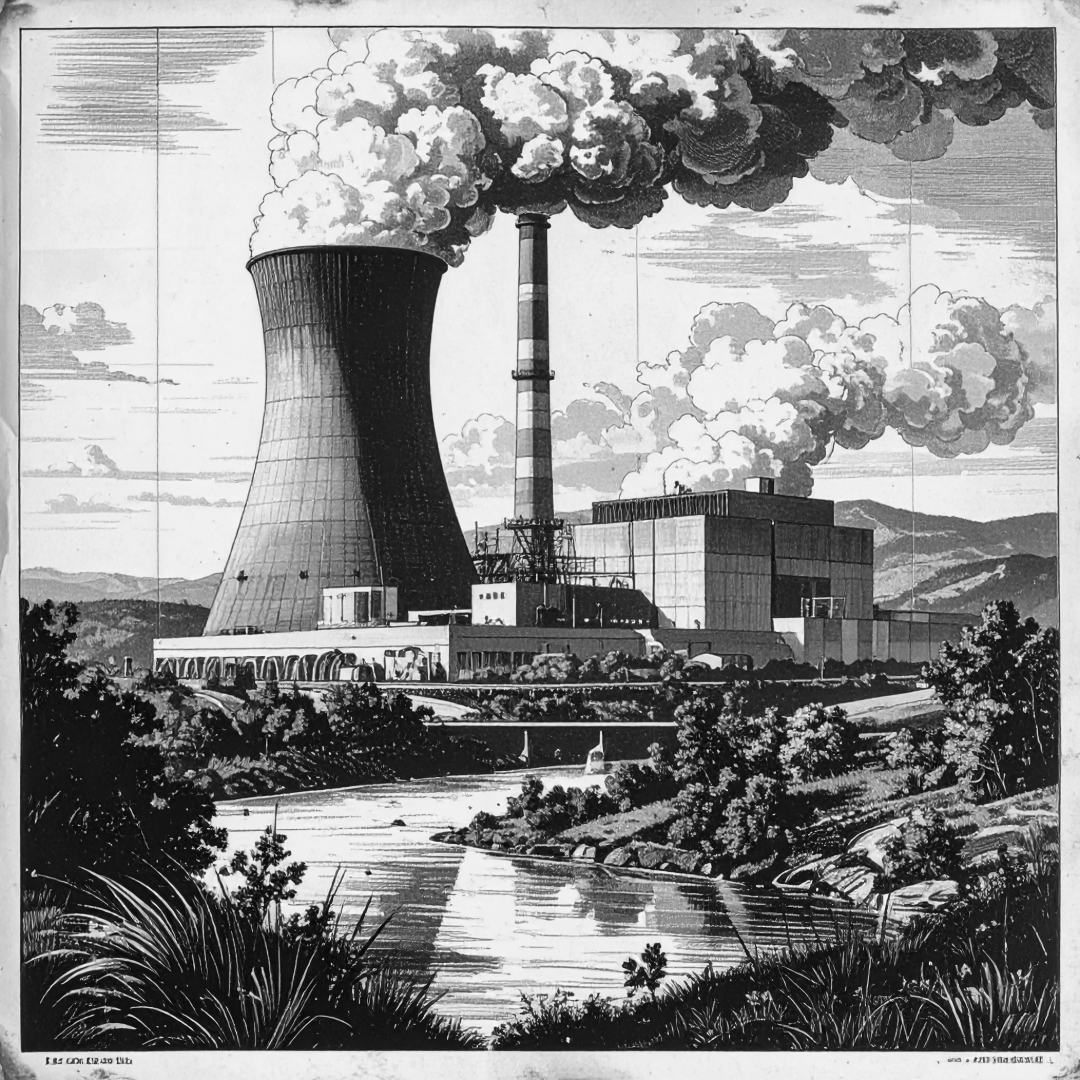
In Alabama, the now-dormant Bellefonte Nuclear Plant property near Hollywood in Jackson County is expected to be a primary location for the new reactors, according to local economic development officials and project summaries. The roughly 1,600-acre site, long considered by the Tennessee Valley Authority for nuclear development, sits about 45 miles east of Huntsville.
Project outlines indicate the North Alabama development could include multiple 300‑megawatt SMR units capable of generating up to 3 gigawatts of electricity when fully built out, enough to power hundreds of thousands of homes and large industrial customers. Backers say the reactors are intended to provide carbon-free, around-the-clock “baseload” power to support Alabama’s growing automotive and aerospace manufacturing hubs and to help replace aging coal-fired units slated for retirement.
The initiative is part of a broader push by the Trump administration and Japanese leaders to expand advanced nuclear power and deepen energy trade between the two countries, with Japan pledging tens of billions of dollars in financing for U.S. energy projects. Federal agencies have framed the SMR effort as a way to strengthen grid reliability, cut emissions and bolster domestic supply chains for nuclear technology.
Bellefonte has a long and complicated nuclear history. TVA began building two conventional reactors at the site in the 1970s but never completed them, and the unfinished plant changed hands after federal regulators extended its construction permits. The new proposal would shift the property’s focus to smaller, factory-built reactors designed to be cheaper and faster to deploy than traditional large plants.
Alabama is already a major nuclear state, with TVA’s Browns Ferry plant in Limestone County ranking among the nation’s largest nuclear facilities and supplying power across the Tennessee Valley. The SMR project would add another nuclear footprint in North Alabama at a time when utilities and large energy users — including data centers, auto manufacturers and aerospace firms — are seeking more carbon-free electricity.
Key details about the Alabama reactors, including a construction timeline, final unit count, regulatory filings with the Nuclear Regulatory Commission and specific power-purchase arrangements, have not yet been released. State and local officials say they expect additional announcements in the coming months as the companies advance design work and federal agencies move through permitting and environmental reviews.
If the project proceeds, supporters argue it could bring billions of dollars in investment and thousands of construction and permanent jobs to Jackson County and the broader Huntsville region, while positioning Alabama as an early hub for advanced nuclear technology. Critics of nuclear power, however, are likely to raise questions about safety, long-term waste storage and the economics of SMRs compared with renewables and battery storage, debates that have accompanied nuclear projects across the country.