
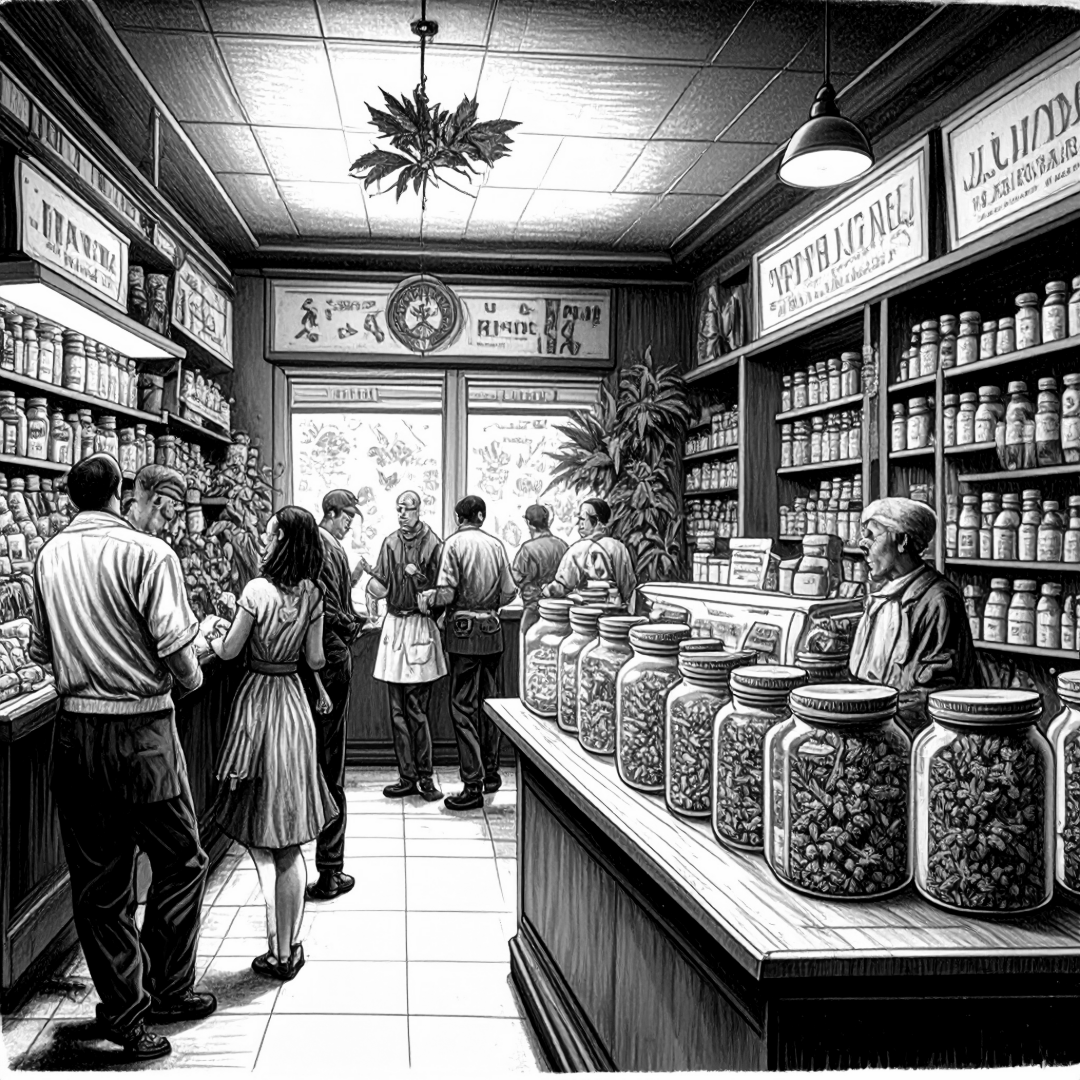
BIRMINGHAM, Ala. — For months, many Alabamians thought the state had effectively shut down “hemp stores” that sold delta‑8 and other THC products — and in some places, it looked that way. Now, as new rules kicked in on Jan. 1 and local governments scramble to respond, some of those same shops are getting a path to reopen under an entirely new set of regulations.
The change stems from House Bill 445, a 2025 law that moved regulation of “consumable hemp products” — including popular items such as delta‑8 gummies and drinks — under the Alabama Alcoholic Beverage Control Board and banned smokable hemp products statewide. The law also created new licensing requirements for retailers, imposed an excise tax and gave law enforcement broader authority to seize illegal or noncompliant products.
In simple terms, Alabama didn’t outlaw all hemp, but it did hit the reset button on how and where hemp products can be sold.
Under HB 445, “consumable hemp” covers products meant to be eaten, drunk or used on the skin that contain hemp‑derived cannabinoids like delta‑8 and delta‑10 THC. Retailers who want to keep selling those products must now obtain a state license through the ABC Board and follow strict rules on testing, labeling, age limits and packaging.
The law:
- Prohibits smokable hemp products, including pre‑rolled joints and vapes marketed as hemp.
- Bars online sales and direct‑to‑consumer shipping into Alabama.
- Requires that only licensed retailers sell consumable hemp, and only to customers 21 and older.
- Treats products sold outside the rules as “contraband” that can be seized without a warrant.
Because the new rules took effect Jan. 1, many hemp shop owners pulled their THC products from shelves, temporarily closed or rebranded while they tried to understand how to comply. Some local officials also paused new licenses or enforcement while they waited for guidance on the state law, adding to the perception that “everything was shut down.”
As the ABC Board has started processing applications, a small number of businesses have secured the new hemp retail license — eight across the state as of early March, according to a television report. Those stores are allowed to resume selling compliant consumable hemp products under the updated law.
Local governments are now deciding how to fit the state law into their own zoning and business licensing systems. In Mobile, for example, the city council recently approved a resolution outlining how hemp shops can apply for both city approval and an ABC license, giving existing businesses a 90‑day window to resume sales while they work through the new process. Similar discussions are underway in other cities as officials debate where hemp stores can locate and how strictly to enforce the new limits.
For customers who remember seeing “closed” signs or half‑empty cases last year, the reopening can be confusing. In many cases, stores are coming back in a narrower form, with fewer product types and new ID checks at the counter.
One major change is what these shops can no longer sell. HB 445 bans smokable hemp products outright, which includes most “hemp flower” that customers used to buy and smoke or vape. Retailers who continue to sell smokable products risk felony charges if those items fall outside the law’s definition of legal hemp products.
Even for non‑smokable items, the law adds guardrails around THC content and testing. Manufacturers must secure certificates of analysis from the Alabama Department of Public Health to show their products meet state standards. Products that are too strong, mislabeled or sold at unlicensed locations can be seized as contraband.
In practice, that means:
- The “workaround” products that mimicked marijuana — such as strong delta‑8 or other lab‑made THC analogs in loose flower form or vapes — are much harder, and in many cases illegal, to sell at retail now.
- Most legal sales will likely be limited to packaged gummies, beverages and topicals with clearly marked ingredients and test results.
Consumers who walk back into a familiar shop this spring may still find hemp‑derived edibles and oils, but they are less likely to see jars of flower on the counter or cheap disposable vapes advertised as “legal weed.”
Adding to the confusion, Alabama’s new medical cannabis program is on a separate track, overseen by the Alabama Medical Cannabis Commission. Lawmakers approved medical cannabis in 2021, but legal challenges over how the state awarded licenses delayed the rollout for years.
A temporary restraining order from a Montgomery County judge halted licensing efforts in 2024, leaving the commission unable to finalize dispensary approvals. In March 2025, the Alabama Court of Civil Appeals lifted that restraining order, clearing the way for the commission to move forward with dispensary and integrated facility licenses. The commission has since issued four dispensary licenses, and medical cannabis products are expected to reach patients by late April or early May, according to recent reports.
In Birmingham, GP6 Wellness LLC is building out what is expected to be the city’s first medical cannabis dispensary off U.S. 280, with an opening targeted for this spring or summer. A second company, Yellowhammer Medical Dispensaries LLC, has been selected for a license but remains in limbo because of ongoing litigation.
Unlike hemp shops, medical cannabis dispensaries will sell products only to registered patients with a doctor’s recommendation under strict state rules. Those products will not be available for recreational purchase, even as some Alabamians and a number of news outlets, including this one, have voiced support for broader legalization.
For many residents, the overlapping timelines explain why it feels as if Alabama “closed everything” and is now suddenly allowing some stores to reopen.
First, the state tightened the rules on hemp, forcing many shops to pause or shut down until they could comply with HB 445 and ABC licensing. At the same time, the medical cannabis program was stalled in court, delaying any legitimate marijuana‑based sales.
Now, as the hemp law is taking full effect and the medical program edges closer to launch, businesses are resurfacing — but under narrower, more complicated rules than customers saw in 2023 and 2024.
For people who support legalization and just want to know what is actually allowed, the bottom line is this:
- Hemp shops can reopen if they get the proper licenses and follow strict rules, but they can no longer legally sell smokable hemp or operate like de facto marijuana dispensaries.
- Medical cannabis dispensaries are on the way, including in Birmingham, but will serve only qualified patients under a separate state program.
Lawmakers are already debating what should come next. A proposal referenced in a recent social media post from a Birmingham television station would expand legal cultivation, possession and dispensing of marijuana for certain purposes, highlighting continued pressure to loosen the state’s strict approach.
For now, though, Alabama remains a state where recreational marijuana is illegal, hemp is tightly regulated and the first legal medical cannabis sales have yet to begin — even as storefronts change and “coming soon” signs appear across the Birmingham metro.