
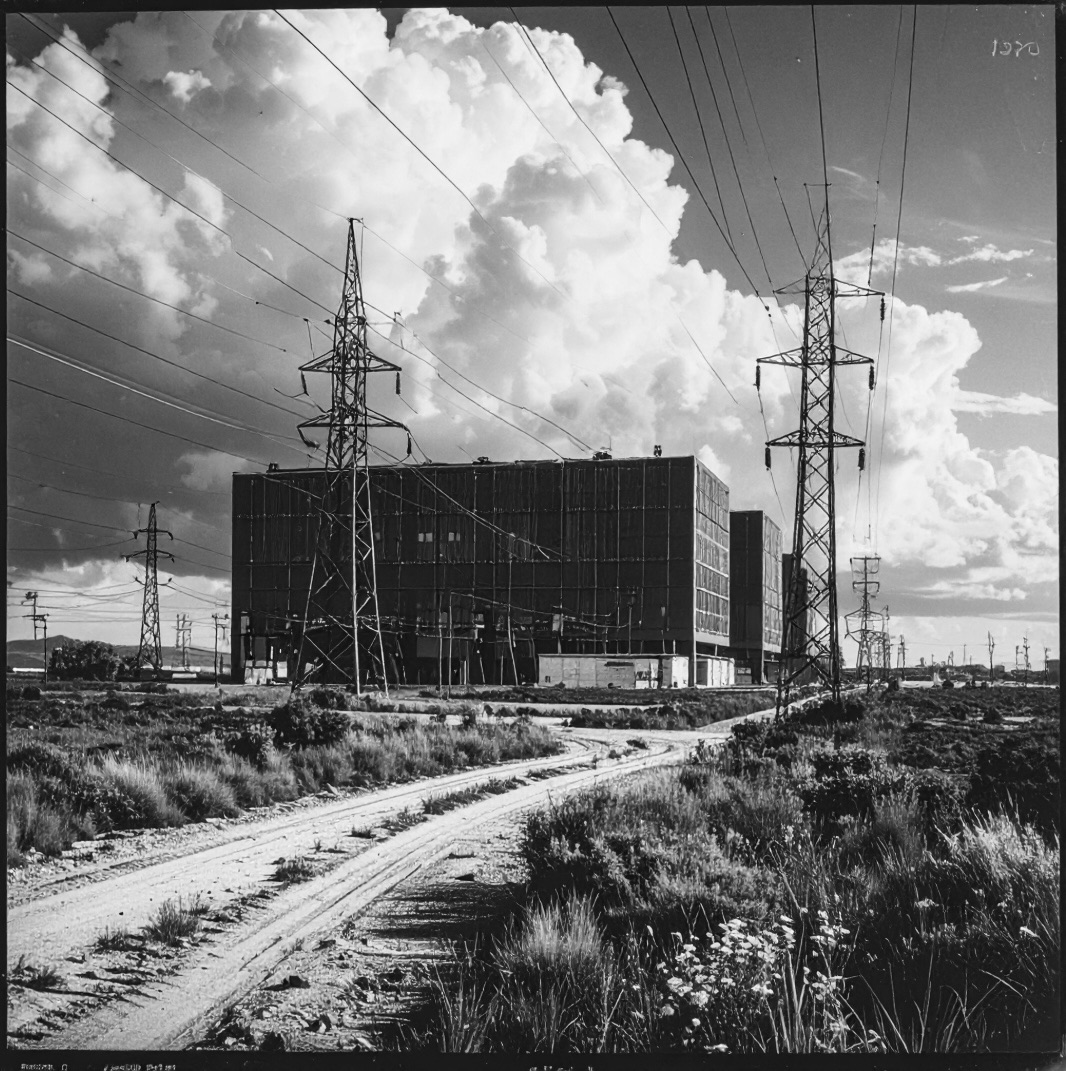
MONTGOMERY, Ala. — House Bill 403, part of a broader push to rein in data center incentives and protect ratepayers, would require the Alabama Public Service Commission to ensure that retail power contracts with “large load” data centers recover all additional grid and fuel costs directly from those facilities. The measure targets data centers with contracts for at least 150 megawatts of electricity and directs regulators to find that such deals produce “positive benefits” for other utility customers before signing off.
Under the bill, the PSC would have to verify that any contract with an eligible data center recovers the “incremental costs of retail electric service,” defined as the extra generation, transmission, distribution, fuel and tax expenses that would not exist but for the project. Regulators would also be instructed to examine whether the pricing and terms could lower bills for residential, commercial and industrial customers or improve the efficiency of a utility’s overall power system.
HB 403 moves in tandem with other data center legislation that would shorten the length of state tax abatements and eventually require the largest facilities to begin paying state sales and use taxes on certain purchases. Together, the package is designed to curb what some lawmakers have called “sweetheart deals” for energy‑hungry projects at a time when Alabama utilities are planning for steep load growth tied to artificial intelligence and cloud computing.
Supporters argue that locking in clear cost‑allocation rules will give developers predictability while preventing utilities from spreading the expense of new lines, substations and power plants across existing customers’ bills. Critics of generous incentives have noted that data centers typically employ relatively few workers while using enormous amounts of power, raising questions about whether past deals have justified their impact on rates and the environment.
The bill is one of several utility and data center measures moving through the Legislature this session as state officials confront rising concerns about affordability and the long‑term strain of large industrial power users on Alabama’s grid.