
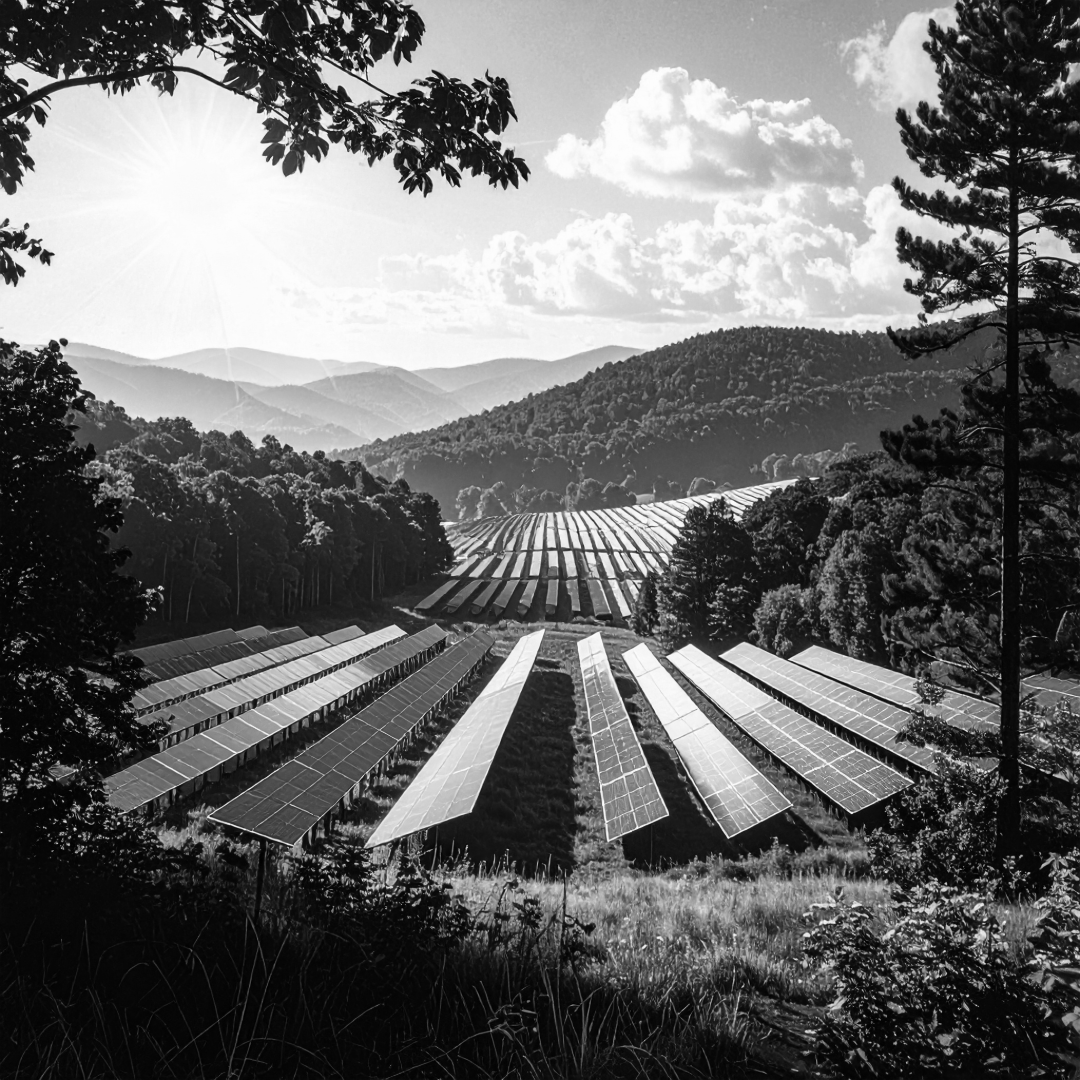
MONTGOMERY, Ala. — An Alabama Senate proposal to halt most new large-scale solar projects for a year is drawing fresh fire from environmental advocates, who say the move continues a long pattern of climate denial and hostility to renewable energy in one of the nation’s most fossil-fuel-friendly states.
Senate Bill 354, sponsored by Sen. Greg Albritton, R-Atmore, would impose a one-year moratorium on construction and operation of new “large-scale, ground-mounted” solar facilities that sell power off-site or to third parties. The bill cleared the Senate Transportation and Energy Committee last week and now heads to the full Senate, with the one-year ban taking effect immediately if it becomes law.
Albritton has framed the legislation as a response to local backlash against a proposed 4,500-acre, $300 million solar farm in the Baldwin County community of Stockton, developed to power a Meta data center. He told colleagues that residents raised “a great many questions” about land use, reclamation and ecological impacts that he could not answer, and argued that the state needs time to establish clearer rules. “The public is very concerned with what the reclamation requirements are, if any,” he said in committee remarks reported by the Alabama Political Reporter.
Under SB354, the pause would apply to large, utility-scale solar projects in most of the state, though an amendment excludes areas served by the Tennessee Valley Authority from the moratorium. Residential rooftop systems and smaller on-site installations would not be directly affected by the bill’s language.
Clean energy advocates say the “pause” amounts to a politically motivated blockade at a moment when solar is finally beginning to gain a foothold in Alabama. During a public hearing on the bill, John Dodd, policy manager for the nonprofit Energy Alabama, was the only speaker and urged lawmakers to reject the measure. “Communities deserve transparency, environmental safeguards, and the ability to be heard before major projects of any type are approved. But this bill does something very different,” Dodd told the committee, arguing that SB354 would impose a de facto regional prohibition on new large-scale solar facilities without clearly defining the projects it seeks to regulate.
The proposal has already drawn national attention because Alabama’s utility-scale solar fleet is small enough that the Stockton project alone would boost the state’s installed solar capacity by roughly one-third if built today. A Heatmap News analysis warned that the moratorium could “hit the kill switch” on a nascent industry, sending a chilling signal to developers and corporate buyers considering new projects in the state.
For critics, the bill fits a broader pattern: Alabama’s political and regulatory establishment has long aligned with fossil fuel interests, and some top officials openly question the reality of human-driven climate change even as extreme heat and severe storms intensify across the Southeast. The Birmingham-based group GASP, which campaigns on air quality and climate, has documented instances of state leaders dismissing what one commissioner called the “so-called ‘climate change crisis’,” comparing it to “unicorns and little green men from Mars.”
Those attitudes have translated into concrete policies that have helped keep Alabama near the back of the pack on solar adoption, despite its ample sunshine and growing demand from major corporations for clean power. Alabama Power, the state’s dominant electric utility, has for years imposed a monthly “capacity reservation” charge on customers who install rooftop solar, a fee that environmental groups say wipes out much of the financial benefit of investing in panels. A Southern Environmental Law Center case challenging those charges is moving forward in federal court after U.S. District Judge Myron Thompson refused in 2024 to dismiss a lawsuit filed by homeowners and the Greater-Birmingham Alliance to Stop Pollution.
Plaintiffs argue the fee violates the federal Public Utility Regulatory Policies Act, which is meant to encourage small-scale renewable energy and reduce dependence on fossil fuels. The Federal Energy Regulatory Commission declined to take direct enforcement action in 2021 but two commissioners issued a concurring statement expressing concern that Alabama regulators might be undermining federal policy by discouraging rooftop solar.
Alabama Power’s treatment of rooftop producers has continued to draw scrutiny. In a 2025 story, Birmingham television station ABC 33/40 highlighted an appeal by a customer who said the utility effectively charged him $4.41 per kilowatt-hour for electricity he drew from the grid, while paying only 4 cents per kilowatt-hour for the solar power he supplied back — more than 100 times the rate. The Alabama Public Service Commission dismissed his complaint without a hearing, according to the report.
Together, the commission’s decisions, the utility’s fee structure and the Legislature’s latest moves on solar have reinforced perceptions among environmentalists and many progressive Alabamians that climate change denial and protection of incumbent energy interests remain powerful forces in Montgomery. Groups like GASP and Energy Alabama argue that instead of crafting rules to responsibly guide renewable growth, lawmakers are erecting new barriers that risk locking the state into costly fossil infrastructure and missing out on jobs and investment tied to the clean energy transition.
Democrats on the Senate Transportation and Energy Committee have begun to push back, but they are in the minority. Sen. Merika Coleman, D-Birmingham, voted against SB354 in committee, joining Sen. Rodger Smitherman, D-Birmingham, in opposing the moratorium.
If the bill passes the full Senate and House and is signed into law, large-scale solar developers from central to south Alabama would be forced to pause new projects for at least a year while lawmakers and regulators debate new standards — and climate advocates brace for another round in a fight they say the state can no longer afford to delay.