
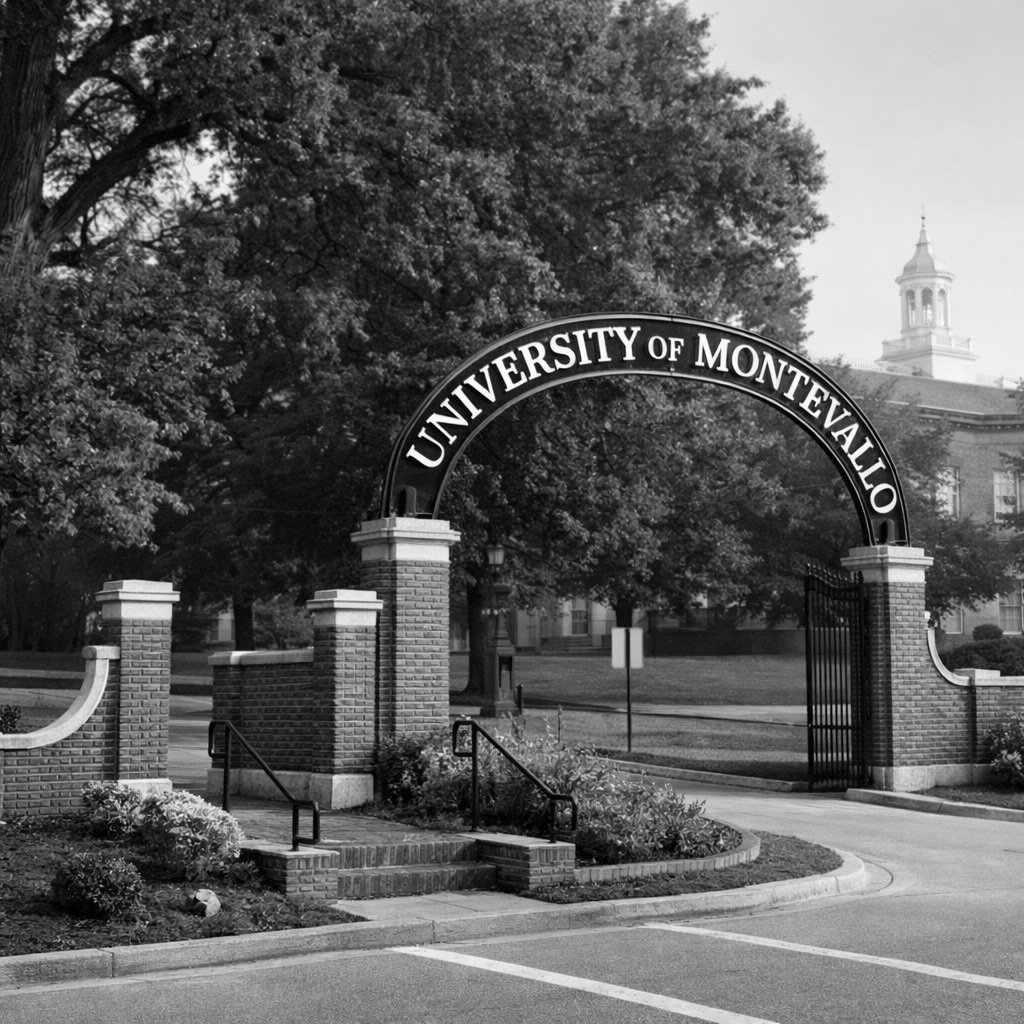
MONTEVALLO, Ala. — The University of Montevallo, long known as Alabama’s only public liberal arts college and a haven for quirky, creative students, is cutting a slate of minors and degree concentrations as it works to close a multimillion-dollar budget gap, including African American Studies and Peace and Justice Studies.
The Board of Trustees voted unanimously Friday to discontinue nine minors and seven concentrations after a yearlong review that officials say was driven by financial pressures and shifting trends in higher education. The changes come as the university continues to grapple with what leaders have described as a shortfall of about $7 to $8 million dollars and a mandate to find up to $8 million in permanent savings.
Minors slated for closure are African American Studies, Cybersecurity, Economics, Latin American Studies, Management Information Systems, Non-profit Studies, Peace and Justice Studies, Philosophy and Religion, and Professional Writing, according to student outlet Vallo Vision News. Eliminated concentrations include tracks in Family and Consumer Sciences, Finance, Music Technology and Management, including entrepreneurship and human resources.
University officials have emphasized that current students will be allowed to finish what they started. Trustees were told that students already enrolled in the affected minors and concentrations will receive a “teach-out,” and that many of the associated courses are expected to remain on the books, offered on a rotating basis. Administrators also noted that minors are governed internally, leaving open the possibility that some could return if demand and finances improve.
Interim President Terry Roberson framed the move as part of a broader national shift, telling trustees that universities across the country are moving away from traditional minors and toward certificates and micro-credentials. University financial leaders have said an earlier round of cuts, combined with tuition and fee changes, helped start closing the gap created by rising operating costs and other pressures.
The University of Montevallo holds a distinct place in Alabama’s higher-education landscape. It has built its reputation as a small, residential public liberal arts campus with a focus on undergraduate studies, a low student-faculty ratio and a culture that celebrates arts, social engagement and civic involvement. The central campus is a National Historic District with Olmsted-designed grounds and brick streets that help define Montevallo’s identity as a tight-knit college town.
Those roots have helped Montevallo cultivate an image as a welcoming, somewhat offbeat community for students who might feel out of place at larger flagships or more traditional regional campuses. Programs such as learning communities and service-oriented honors initiatives have underscored the university’s stated mission of preparing “educated citizens” for a diverse and changing world.
Against that backdrop, the loss of African American Studies and Peace and Justice Studies has drawn particular attention. Supporters see those programs as central to Montevallo’s liberal arts identity and its efforts to engage students with race, equity and social change in an historically complex state. The cuts land amid national political backlash against diversity, equity and inclusion initiatives on public campuses, and some observers have questioned whether those currents are influencing decisions at institutions like Montevallo.
So far, university leaders have publicly framed the closures in financial and enrollment terms, not as an explicit response to anti-DEI pressure. In campus and media accounts, officials have pointed to low participation in some programs, cost-saving goals and the broader shift toward credentials as reasons for eliminating minors, while reiterating Montevallo’s commitment to its liberal arts mission.
The financial story has been building for more than a year. In 2025, university leaders disclosed that Montevallo was facing a shortfall approaching $8 million dollars, which they attributed to rising operating costs and legacy infrastructure expenses. Administrators responded with staff reductions, a 3.5% tuition increase and plans to review academic offerings; more recent fee increases on housing, meals and other charges are expected to generate and save about $800,000 dollars when combined with the latest academic cuts.
Athletics have also been pulled into the conversation. Four sports — men’s and women’s swimming and tennis — were recommended for elimination, though trustees delayed a final vote until May after hearing from student-athletes and supporters. That decision, like the academic changes, will shape how Montevallo balances its budget with its identity as a close-knit liberal arts campus that leans heavily on student life and traditions.
For now, Montevallo’s leaders insist the university remains on track to meet its obligations and preserve its core character, even as they warn that more permanent savings will be needed. For students and alumni who chose Montevallo precisely because it felt like a small, progressive liberal arts community in the middle of Alabama, the question is whether the campus can retain that spirit while shedding programs that once helped define it.