
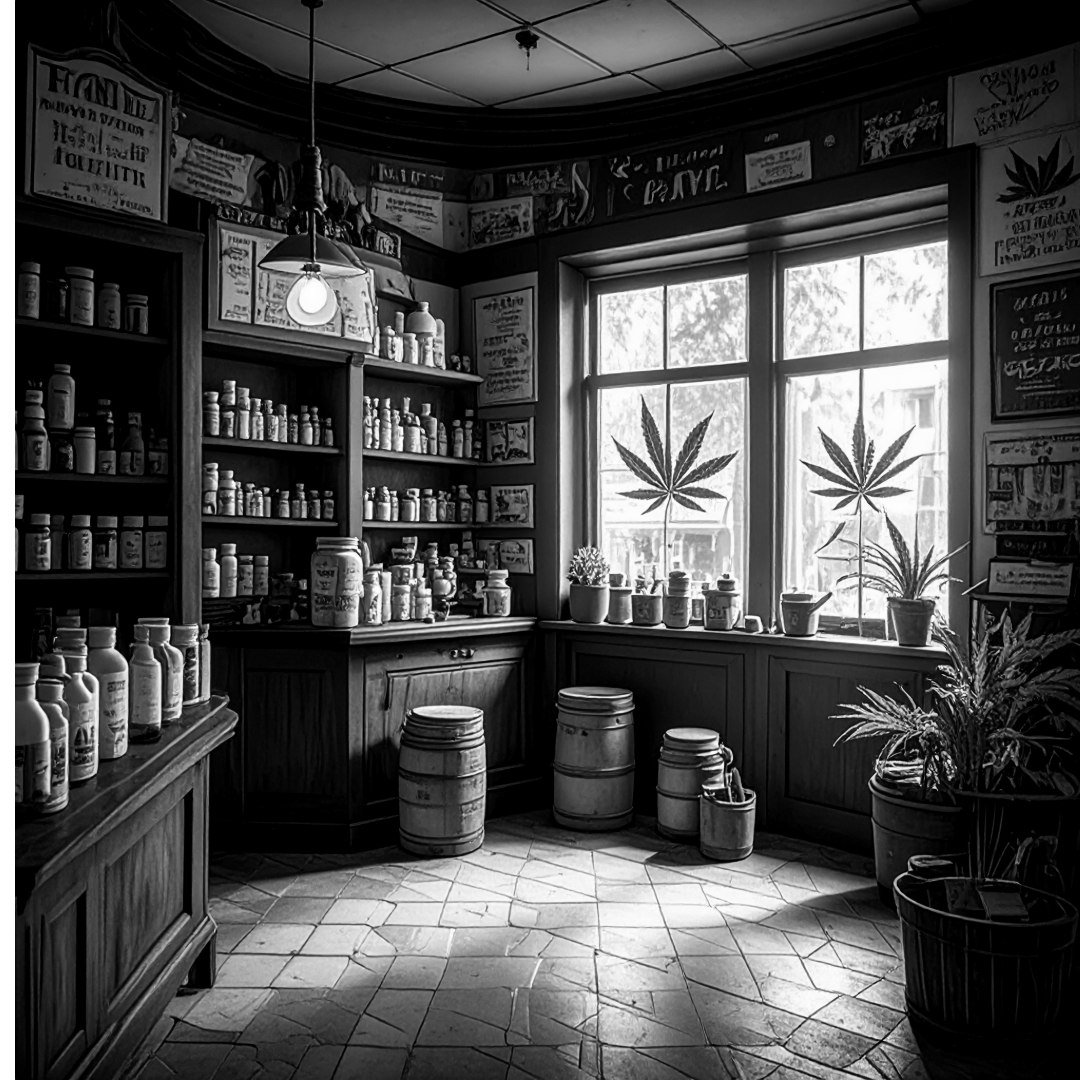
MONTGOMERY, Ala. — Alabama took its most significant step yet toward legal access to medical marijuana this week, approving the state’s first dispensary licenses after years of political resistance, lawsuits and false starts that have left patients waiting since 2021. State officials now say products could reach patients as soon as spring 2026, marking a milestone in a Deep South state that has long lagged behind the national shift toward cannabis reform.
The Alabama Medical Cannabis Commission on Thursday awarded four dispensary licenses, a key requirement before any regulated products can be sold under the Darren Wesley “Ato” Hall Compassion Act, the law lawmakers approved in 2021 to create a tightly controlled medical program. The panel’s chairman estimated that once build-outs, inspections, physician certifications and a patient registry are in place, medical marijuana could be available to qualifying patients by the spring of 2026.
The licenses went to GP6 Wellness LLC, RJK Holdings LLC, CCS of Alabama LLC and Yellowhammer Medical Dispensaries LLC, though one award remains partially on hold while a court weighs a challenge early next year. Under current rules, each company will be able to operate multiple storefronts around the state, creating the first legal supply chain for state-registered patients suffering from conditions such as chronic pain, cancer and multiple sclerosis.
Alabama’s path to this point has been unusually chaotic, even by the standards of other slow-moving Southern legislatures that have grudgingly accepted medical cannabis. The commission’s earlier licensing rounds were scrapped amid accusations of flawed scoring, secret deliberations and lawsuits from losing applicants, prompting courts to halt the program and forcing regulators to repeatedly restart the process.
Advocates say those delays carried a human cost in a state already grappling with high rates of chronic illness, disability and opioid addiction. Patient organizers and cannabis reform groups have spent years pressing Alabama leaders to move faster, warning that sick residents are either forced into the illicit market, left relying on addictive pharmaceuticals or pushed to relocate to legal states for relief.
The new licenses exist alongside a separate, largely unregulated marketplace of hemp-derived THC and CBD shops that have proliferated in cities like Birmingham, Mobile and Huntsville, where consumers already buy delta-8, delta-9 and related products in gas stations and strip malls. The medical program, by contrast, will limit patients to state-approved, non-smokable products such as capsules, oils and patches obtained through licensed dispensaries after a physician certification and inclusion in a statewide registry.
Conservative officials have tried to slow or narrow the program even as public opinion has shifted steadily in favor of medical access and broader legalization. Alabama’s Republican attorney general has previously opposed marijuana reforms and joined national efforts against federal rescheduling, even as neighboring and peer states generate new tax revenue, fund public services and expand patient access under regulated systems.
With dispensary licenses finally in hand, supporters see an opening to push beyond the bare-minimum framework created four years ago. Reform advocates are already urging lawmakers to expand the number of licenses, broaden qualifying conditions and consider full legalization, arguing that Alabama should not cling to prohibition while residents watch other states reap economic and public health benefits from more progressive cannabis laws.