
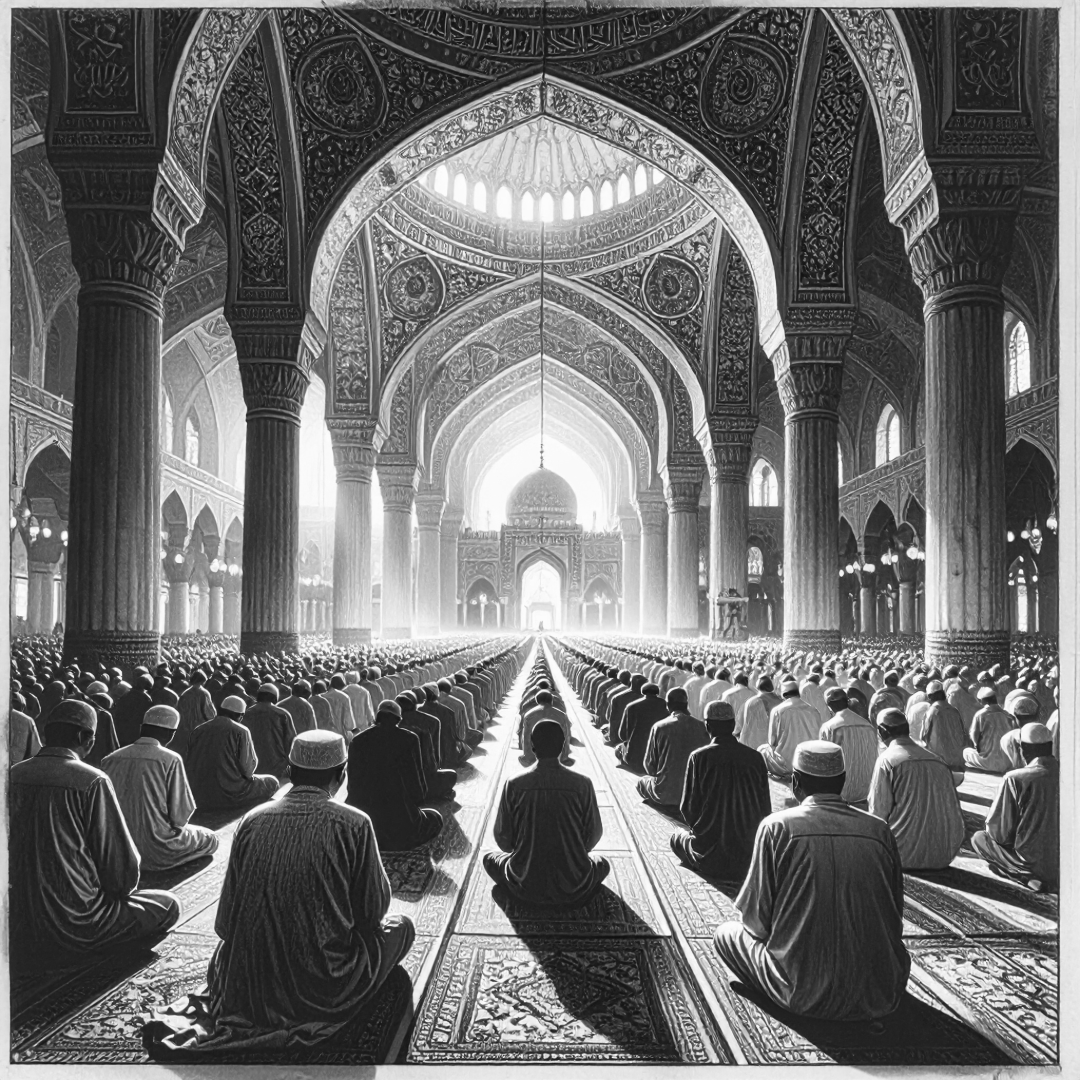
HOOVER, Ala. — Hoover planning officials recommended denying a Muslim school’s bid to repurpose a sprawling office building into classrooms and a prayer space after residents packed a hearing with dire warnings of gridlock on Highway 280, spotlighting a stark contrast to the city’s history of greenlighting similar pleas from Christian churches despite parallel traffic qualms.
The Islamic Academy of Alabama, a K-12 institution serving about 265 students in Homewood with ties to Birmingham’s Islamic community, seeks to shift operations to a vacant 100,000-square-foot structure in the Meadowbrook Corporate Park, adding community center functions that double as a worship site. At the Dec. 1st Hoover Planning and Zoning Commission meeting, city staff deemed the plan a mismatch for the site’s “tech village” vision of offices, research hubs and retail, while faulting applicant-submitted traffic data for lowballing impacts by pegging projections to partial occupancy rather than the building’s full scale. Attorney Lucas Gambino countered that 40% of current students hail from Hoover, the site sits idle amid a glut of empty offices along the corridor, and the academy offered enrollment caps plus limits on prayer hours akin to chapels at Christian schools.
Yet every speaker from the overflowing crowd of Meadowbrook neighbors rejected the rezoning, hammering traffic nightmares on the notoriously clogged U.S. 280 and feeder streets, alongside gripes over school bells, playground clamor and daily prayer traffic in a buttoned-up office zone. The commission promptly voted to advise the City Council against the conditional use permit, sending the proposal to a decisive vote ahead — even as Hoover’s record shows pliancy toward churches invoking identical highway proximity woes.
That 2006 City Council approved the Birmingham Islamic Society’s mosque conversion of a Hackberry Lane church over traffic fears and raw Islam-bashing from opponents who fretted a “beachhead” for global jihad, though society leaders vowed no megachurch sprawl. More routinely, Hoover’s council in 2022 rubber-stamped conditional use for church services and Bible studies inside a Lorna Road office suite, sidestepping the rigorous scrutiny now pinned on the Islamic Academy despite its offers to self-limit — a pattern that has Muslim advocates eyeing federal Religious Land Use and Institutionalized Persons Act protections against zoning bias favoring familiar faiths.
The Hoover City Council holds final say, with no date set; residents can track agendas at hooveralabama.gov or attend meetings at City Hall, 100 Municipal Lane.