
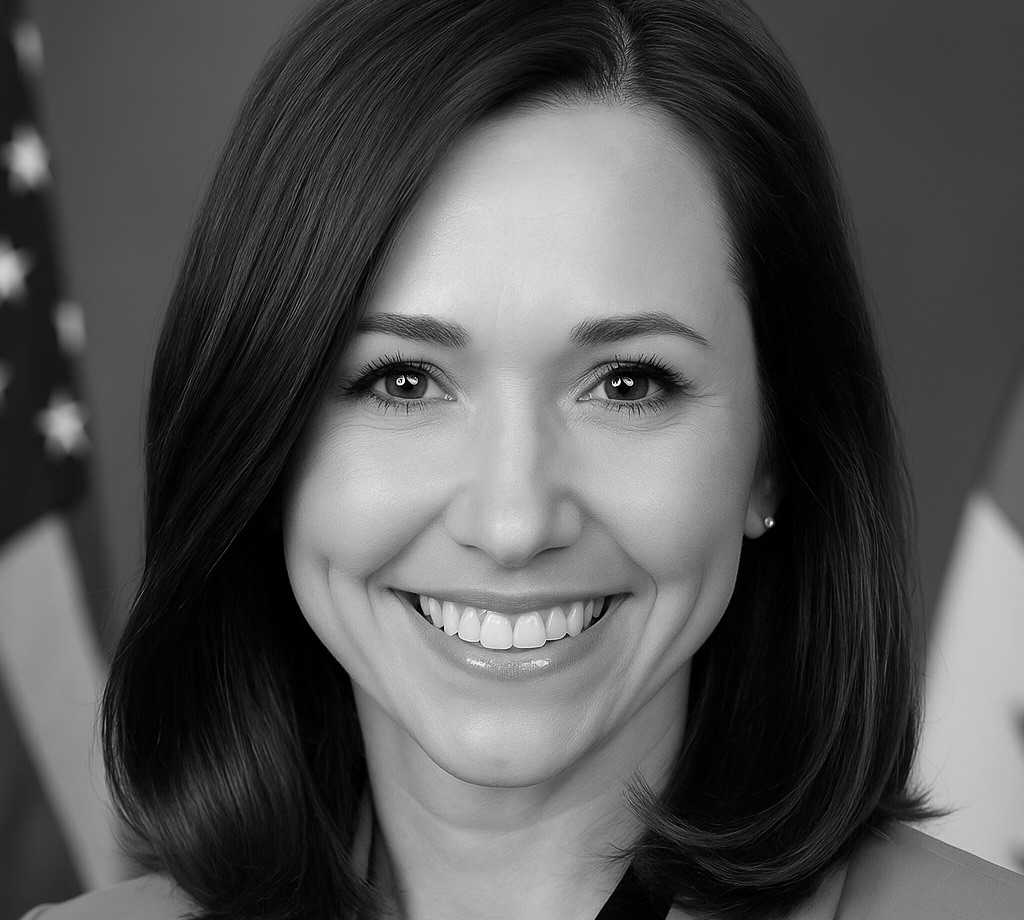
BIRMINGHAM, Ala. — Alabama Sen. Katie Britt is calling for her federal salary to be suspended during the ongoing government shutdown — a gesture that, while widely seen as reasonable by frustrated constituents, highlights a persistent disconnect between public expectations and congressional privilege.
Britt’s request puts her among a handful of members of Congress attempting to project empathy and accountability as thousands of federal workers in Alabama and across the country face furloughs or work without pay. The senator’s announcement arrives as outrage over congressional pay swells, especially in states heavily impacted by federal closures.
But the road from posturing to real sacrifice appears murkier than many realize. Federal law prohibits lawmakers from forgoing their salaries outright during a shutdown, a safeguard intended to protect members from political coercion but with the side effect of keeping their paychecks flowing even as government services stall. Lawmakers may ask that their pay be withheld or redirected, but the process is bureaucratic and largely symbolic — compensation is generally distributed retroactively once the government reopens.
Critics argue this only adds to public skepticism. Many see Britt’s move as a political performance rather than substantive change. Given these legal barriers, Britt and her colleagues are free to donate their salaries to charity — a step that, so far, few in Congress have chosen to publicize or pursue with any consistency.
Britt, a vocal supporter of President Trump’s agenda, has tried to distinguish herself as a pragmatic voice amid the divisiveness in Washington. However, for many Alabamians watching the shutdown’s effects ripple through local communities, calls for solidarity ring hollow if lawmakers are insulated from the same economic consequences as the workers and families they represent.
As the shutdown grinds on, attention will remain fixed on whether Britt and other lawmakers transform their rhetoric into tangible action — or if, as some critics charge, it’s more business as usual on Capitol Hill.