
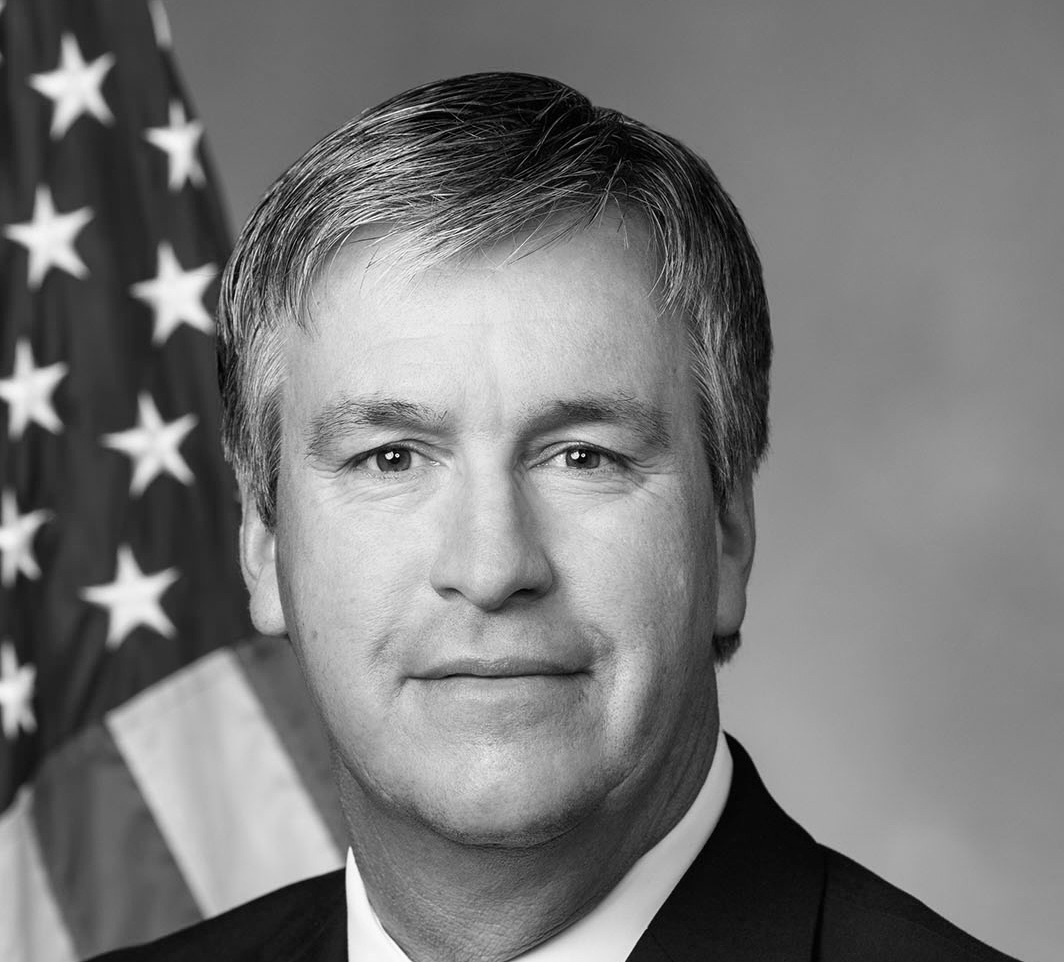
DAPHNE, Ala. – U.S. Rep. Barry Moore faced raucous heckling, shouts of “shame!” and a chorus of boos Wednesday night during a chaotic town hall at Daphne City Hall in southern Alabama, offering a glimpse into the rising tensions at in-person public forums as the 2026 campaign cycle begins heating up.
The gathering, publicly promoted by Moore’s office, quickly descended into a spectacle of audience discontent as attendees openly challenged the Republican incumbent’s staunch support for President Donald Trump and hardline positions on immigration, spending, and tax cuts. Social media videos from inside the event show frustrated constituents attempting to press Moore for answers, only to be shouted over by a vocal bloc as the Congressman defended his record.
Moore, who has styled himself as one of the most accessible Republicans in Congress, left the heated event through a side door after moderators declared it over. The timing and manner of his exit were immediately seized on by local activists and critics, who claimed Moore was forced out by the outrage—an increasingly common narrative as members of Congress across the country encounter public backlash over their positions at traditional town hall meetings.
On Thursday, Moore appeared on WVNN radio’s “The Dale Jackson Show,” where he attempted to downplay the significance of the incident, characterizing the audience as organized agitators attempting to “hijack” the event and drown out what he described as genuine policy questions from Alabama voters. He accused left-wing activists of following him across multiple events and suggested they were attempting to disrupt civil dialogue for political points.
Nonetheless, the confrontational atmosphere in Daphne reflects a simmering national trend: constituents, fed up with GOP messaging on issues like reproductive rights, public education, and the economy, are demanding direct accountability from lawmakers. In Alabama, as elsewhere, grassroots mobilization is increasingly turning town halls into battlegrounds—fueled by frustration with a Congress many see as more interested in political theater than genuine dialogue.
Moore, meanwhile, continues to push his campaign for U.S. Senate, leaning into hard-right talking points that are lighting up his base but drawing ever-louder resistance from those eager for answers instead of slogans.