
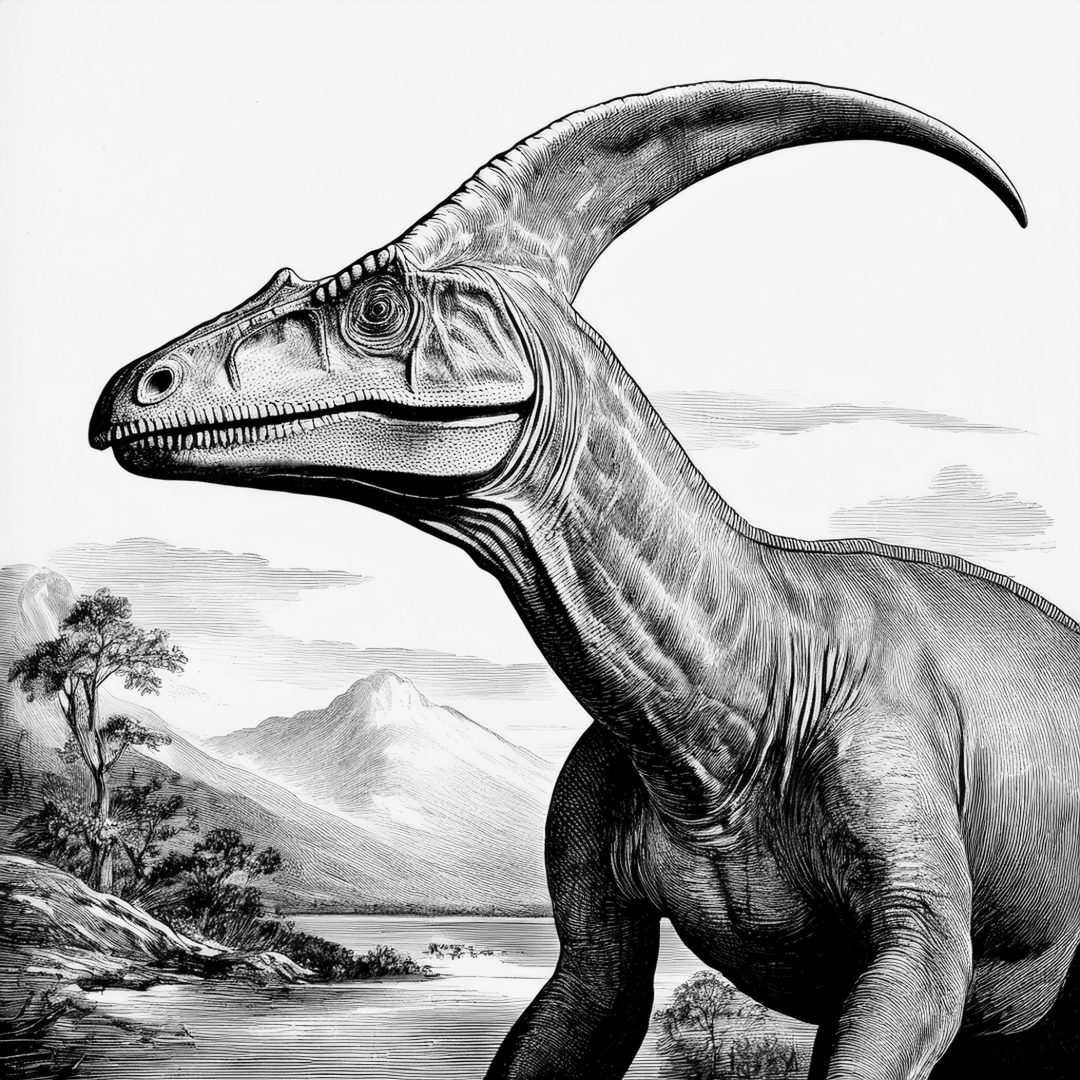
BIRMINGHAM, Ala. — A rare, 84-million-year-old dinosaur tooth discovered in an Alabama creek last month is offering scientists an unprecedented glimpse into the state’s ancient past. Dr. John Friel, director of the Alabama Museum of Natural History, made the find during a fossil excursion near Aliceville in Greene County on July 26, 2025. Museum experts confirmed the fossil is from a hadrosaur—a large, duck-billed, herbivorous dinosaur that roamed North America during the Late Cretaceous Period.
Dinosaur fossils of any kind are extraordinarily rare in Alabama, a region known for its marine fossil beds and lack of exposed Jurassic-age surfaces. According to paleontologists, dinosaurs found here most likely died on land but had their remains swept into the sea, where scavengers such as sharks contributed to their fossilization. Unlike the more common shark teeth and ammonite molds that populate creek gravel bars, a dinosaur tooth is an exceptional find and is now housed in the museum’s research collection.
The discovery is notable not only for its scientific importance but also for raising new questions. Experts are examining how such fossils ended up in marine sediment and what this means for Alabama’s geologic history. Hadrosaurs—sometimes reaching lengths of up to 50feet—thrived in terrestrial environments, making this tooth an anomaly in an otherwise oceanic deposit.
The region has seen other extraordinary paleontological finds in recent years. The Steven C. Minkin Paleozoic Footprint Site, located at the former Union Chapel Mine in Walker County, has yielded the world’s largest assemblage of Carboniferous tetrapod trackways, offering a rare look at life and behaviors from over 300million years ago. Trackways attributed to Cincosaurus cobbi and other ancient creatures are preserved in slabs recovered from the coal mine’s spoil piles, representing a spectrum of ancient terrestrial to marine ecosystems. The site is internationally significant, known for the exceptional preservation of amphibian and fish footprints, and is recognized as the most prolific source of vertebrate trackways of its age on record.
Recent work at the McWane Science Center in Birmingham also made headlines when paleontologists unearthed a new dinosaur species called Eo Tracadon in Montgomery County—the only skeleton of its kind found on the eastern half of the United States. Public laboratory tours now allow visitors to witness ongoing fossil preparation and research.
Archaeological finds like the hadrosaur tooth and the trackways at Union Chapel continue to enrich Alabama’s scientific landscape, illustrating how even a single shiny tooth in a creek bed can rewrite chapters of prehistoric history and ignite new curiosity about the region’s deep-time ecosystems.