
TUSCALOOSA, Ala. — A recent meeting of the Eagle Forum in Tuscaloosa has drawn intense scrutiny after participants discussed the controversial “Dark MAGA” trend, an online movement tied to radical Trumpist rhetoric. The session, reported by the Alabama Gazette, marks a notable moment for both the storied conservative organization and the wider political climate in Alabama.
Founded nationally in 1972 by Phyllis Schlafly, the Eagle Forum established itself as a bedrock of traditional, right-wing cultural advocacy, emphasizing opposition to the Equal Rights Amendment, abortion rights, and progressive family policies. Known for its highly disciplined grassroots activism, the forum has influenced conservative politics for decades. In Alabama, its state chapters have long promoted conservative education reforms and family values.
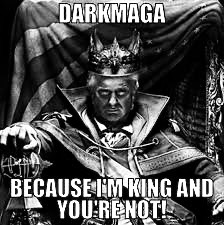
The subject at the recent Tuscaloosa gathering was “Dark MAGA,” a meme-driven trend among some supporters of President Donald Trump. Unlike the original “Make America Great Again” message, Dark MAGA abandons calls for unity or forgiveness. Instead, it promotes a dystopian aesthetic—imagine Trump surrounded by cyberpunk imagery, aggression, and vengeful rhetoric—that traffics in authoritarian and militant symbolism. Analysts have noted the trend’s escalation of confrontational and punitive themes, often presented through vivid online artwork and coded language.
While some dismiss the Dark MAGA movement as fringe internet spectacle, extremism experts warn that its “no mercy” themes and rejection of democratic norms could encourage anti-democratic attitudes. The movement’s digital presence has raised alarms about a rising appetite for political retribution and deepening polarization, even if its real-world influence remains debated.
That such ideas made it to the venerable Eagle Forum—long a bastion of mainstream conservative activism—surprised some local observers. The Alabama Gazette, which first covered the meeting, reported that local leaders led an open discussion of Dark MAGA themes, suggesting the allure of such rhetoric is spreading beyond obscure internet channels.
The credibility and intent of the Dark MAGA trend remain contested, but its appearance in traditional forums underscores a volatile new phase in America’s divided culture, raising fresh questions about the future of right-wing activism and the boundaries of political discourse.